Homemade Maple Sugar from Pure Maple Syrup
Making maple sugar at home is a fascinating way to turn a familiar pantry ingredient into something entirely different. With pure maple syrup, a reliable candy thermometer and some patience, you can create fine, golden maple sugar with a gentle maple flavor. There is no need to add granulated cane sugar to the mixture.
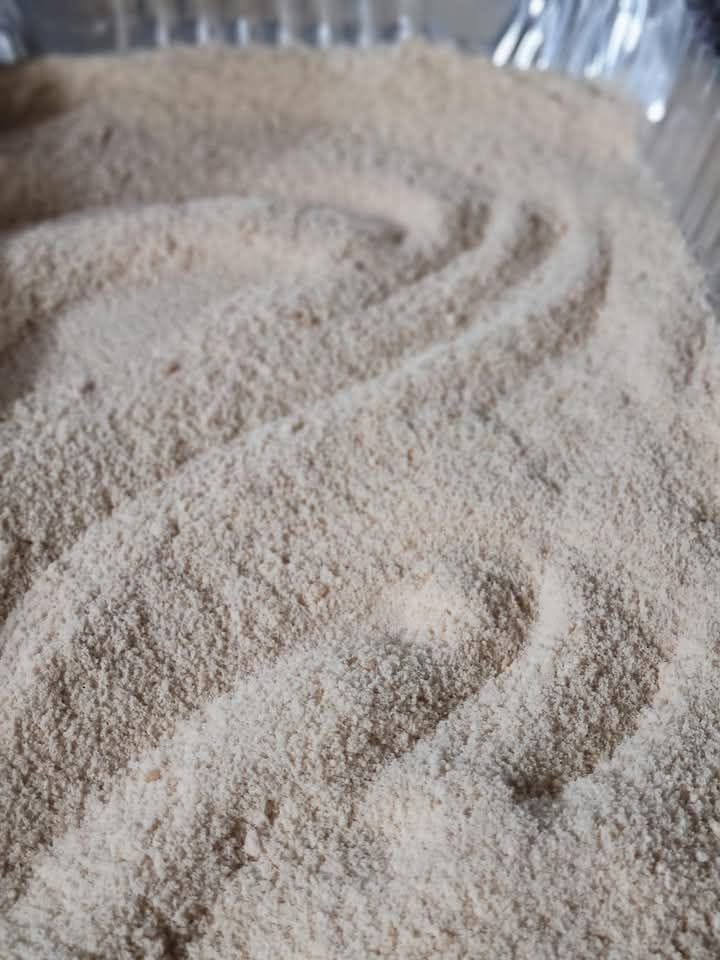
The method shared by the original home cook involves slowly concentrating maple syrup on the stove, then stirring it as it cools until crystals form. The finished sugar can be sifted into a fine powder or left slightly coarse, depending on how you plan to use it. It is especially appealing for holiday baking, homemade gifts and anyone who enjoys traditional kitchen projects.
What Is Maple Sugar?
Maple sugar is made by removing much of the water from pure maple syrup and encouraging the concentrated syrup to crystallize. Unlike pancake syrup, pure maple syrup comes from maple sap. Check the ingredient label before buying your syrup, since imitation maple-flavored products may behave differently during cooking.
Although maple sugar retains some characteristics of maple syrup, it is still an added sugar. It should not be presented as a treatment for blood sugar problems or as a food that can be consumed without moderation.
Ingredients
- 100% pure maple syrup — the original cook uses 4 pints (2 quarts or 8 US cups) per batch.
- A tiny amount of butter, optional, to help manage foaming.
The original cook prefers lighter maple syrup for a mild flavor. No exact butter quantity or finished yield was supplied.
Equipment
Use a deep, heavy stainless steel or other nonreactive saucepan, a reliable candy thermometer, a sturdy heat-resistant spoon, a fine mesh sieve and a clean, dry tray. The original method uses a hand or stand mixer. Manual stirring with a sturdy spoon is a safer alternative to operating a handheld electric mixer in very hot syrup, which can splash and cause serious burns.
How to Make Homemade Maple Sugar
1. Prepare the pot
Choose a high-sided pot with ample room above the syrup. Maple syrup can foam substantially as it boils, so avoid filling the pot close to the rim. Keep children and pets away from the cooking area and have your equipment ready before heating.
2. Simmer the maple syrup
Pour the syrup into the pot and bring it to a steady simmer over medium-high heat. Reduce the heat as necessary to control foaming. The original cook suggests a tiny amount of butter to help reduce bubbles. Never leave the boiling syrup unattended.
3. Cook to the target temperature
Monitor the syrup with a candy thermometer, keeping its sensing tip away from the bottom of the pot. The original cook uses 262°F as the target and reports that a two-quart batch can take around three hours. This is an observation, not a guaranteed cooking time. A commonly used alternative target is approximately 45–50°F above the local boiling point of water; altitude and thermometer accuracy affect the appropriate endpoint. The original 262°F target is retained here as the contributor’s method.
4. Stir until the syrup crystallizes
Remove the pot from the heat and set it securely on a heat-resistant surface. Stir carefully, avoiding splashes. The contributor reports mixing for approximately 10–15 minutes, during which the syrup becomes thick, may turn frothy and eventually develops visible granules. Continue stirring as the mixture crystallizes. Do not touch or taste the hot sugar.
5. Cool and sift
Allow the granulated sugar to cool completely before handling or processing it. Pass it through a fine mesh sieve to separate larger pieces. Keep the coarse crystals for toppings or grind cooled clumps in a dry food processor to produce a finer texture.
Tips for Better Results
Use a thermometer rather than relying on the appearance of the boiling syrup. Keep utensils dry and choose a pot that gives the foam plenty of space. If you are new to candy making, consider starting with a smaller amount of syrup while maintaining the same temperature-based approach. Avoid grinding warm sugar because residual moisture can encourage clumping.
How to Use Maple Sugar
Sprinkle it over oatmeal, toast or baked apples. Stir it into coffee or use it in a cinnamon-sugar topping for muffins. The original contributor suggests replacing ordinary sugar in a one-to-one ratio. This can be a starting point by volume, but baking results may vary because crystal size, moisture and flavor differ. Test a small batch before using it in an important recipe.
Storage
Transfer completely cooled sugar to a clean, dry, airtight container and keep it in a cool, dry cupboard. Use a dry spoon and protect it from humidity. If it forms dry clumps, break them apart or sift again. No tested shelf life was provided with the original recipe.
Frequently Asked Questions
Can I use pancake syrup?
Use pure maple syrup for this method. Imitation syrups contain different ingredients and may not crystallize in the same way.
Why is my maple sugar clumpy?
Residual warmth or moisture may contribute to clumping. Let the sugar cool fully before sifting or grinding.
Do I need butter?
No. Butter is an optional foam-control aid in the original method, not an essential ingredient.
How much sugar does this make?
The original cook did not provide a measured finished yield. The amount depends on the syrup’s concentration and the moisture remaining after cooking.
Ingredients
Method
- Bring the maple syrup to a controlled simmer in a deep, nonreactive pot.
- Monitor with a thermometer. The contributor uses 262°F. Adjust the target for your local boiling point as described in the post.
- Remove from the heat and stir carefully until the syrup granulates.
- Cool completely. Sift the sugar and grind larger crystals if desired. Store in a dry airtight container.