Best Cast Iron Duck Fat Mac and Cheese with Broccoli
Best Cast Iron Duck Fat Mac and Cheese with Broccoli
The Ultimate Skillet Comfort Food Upgrade
Nothing says comfort food quite like a bubbling, golden-brown skillet of homemade macaroni and cheese. But if you want to take this classic dish from standard to spectacular, swapping traditional butter for rich, savory duck fat is the ultimate game-changer. This cast iron duck fat mac and cheese is a decadent, flavor-packed dinner that cooks up beautifully in a single oven-safe pan.
Combining freshly shredded sharp cheddar cheese, tangy whole grain mustard, and a splash of reserved pasta water, the sauce becomes incredibly creamy and clings perfectly to every single elbow noodle. The addition of pan-seared broccoli brings a welcome pop of color and an earthy crunch that cuts through the richness of the luscious cheese sauce.
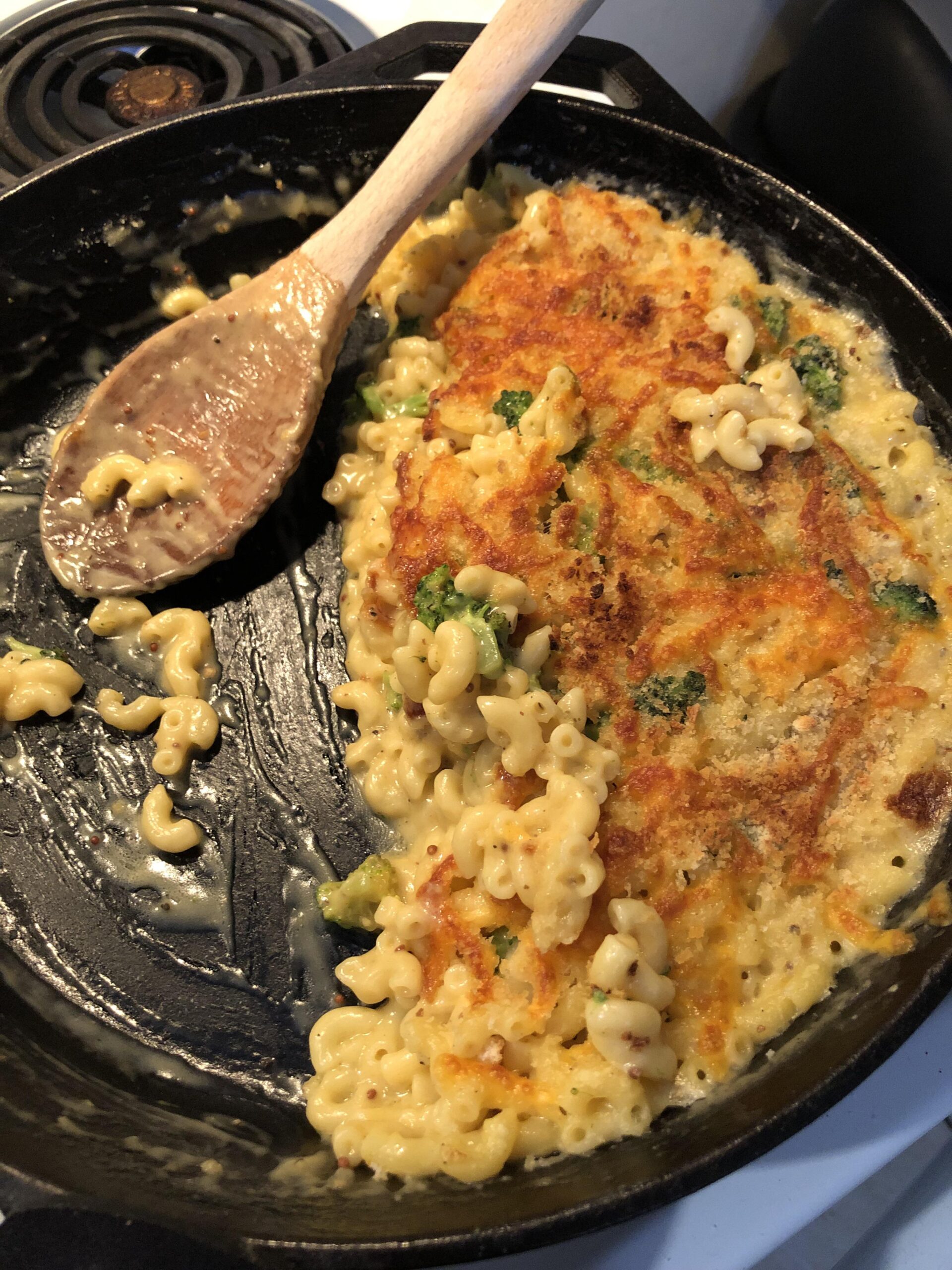
By building the sauce and baking the pasta directly in a cast iron skillet, you achieve perfectly crispy, caramelized edges that standard ceramic baking dishes simply cannot match. Finished under the broiler with a generous dusting of extra cheese and panko breadcrumbs, this elevated mac and cheese delivers an irresistible textural contrast in every bite. Whether you are hosting a dinner party or just treating yourself to a cozy weeknight meal, this recipe is guaranteed to impress.
Why You’ll Love This Recipe
-
Duck Fat Upgrade: Using rendered duck fat instead of standard butter adds a luxurious, savory depth that completely elevates the entire dish.
-
One-Pan Finish: Building the cheese sauce in the exact same cast iron skillet you use for broiling minimizes your cleanup time.
-
Sneaky Veggies: Sautéed broccoli adds wonderful texture and fresh flavor, turning this rich side dish into a balanced, complete meal.
-
Crispy Golden Topping: A quick trip under the broiler with panko breadcrumbs creates an addictive, crunchy crust that everyone will fight over.
-
Highly Customizable: Once you master this foolproof base sauce, it is incredibly easy to experiment with different cheese blends and mix-ins.
Ingredients
-
Pasta: 1 pound of elbow macaroni. Medium pasta shells also work beautifully for scooping up the sauce.
-
Duck Fat: 3 to 4 tablespoons of rendered duck fat to build the savory roux.
-
Flour: 3 to 4 tablespoons of all-purpose flour to thicken the sauce.
-
Whole Milk: 1 to 2 cups of whole milk.
-
Pasta Water: 1 cup of reserved, starchy pasta water to help emulsify the cheese sauce.
-
Cheese: 8 ounces (about 2 cups) of sharp cheddar cheese, freshly grated from the block.
-
Broccoli: 1 small head of fresh broccoli, chopped into bite-sized florets.
-
Olive Oil: 1 tablespoon for sautéing the broccoli.
-
Mustard: 1 to 2 tablespoons of whole grain mustard for a tangy, complex kick.
-
Topping: 1/4 cup of panko breadcrumbs for that essential crunch.
-
Seasonings: Kosher salt and freshly cracked black pepper to taste.
Step-by-Step Instructions
Step 1: Prep and Sauté the Broccoli
Start by chopping your fresh broccoli into small, bite-sized florets. Place a large cast iron skillet over medium heat and add a tablespoon of olive oil. Once hot, add the broccoli, season with a pinch of salt and pepper, and sauté until the florets are tender and just beginning to brown around the edges. Transfer the cooked broccoli to a plate and quickly wipe out the skillet.
Step 2: Boil the Macaroni
Bring a large pot of heavily salted water to a rolling boil. Add the elbow macaroni and cook until it is strictly al dente (usually 1 or 2 minutes shy of the package directions). Before draining the pasta, carefully scoop out and reserve about 1 cup of the starchy pasta water. Drain the noodles and set them aside.
Step 3: Build the Duck Fat Roux
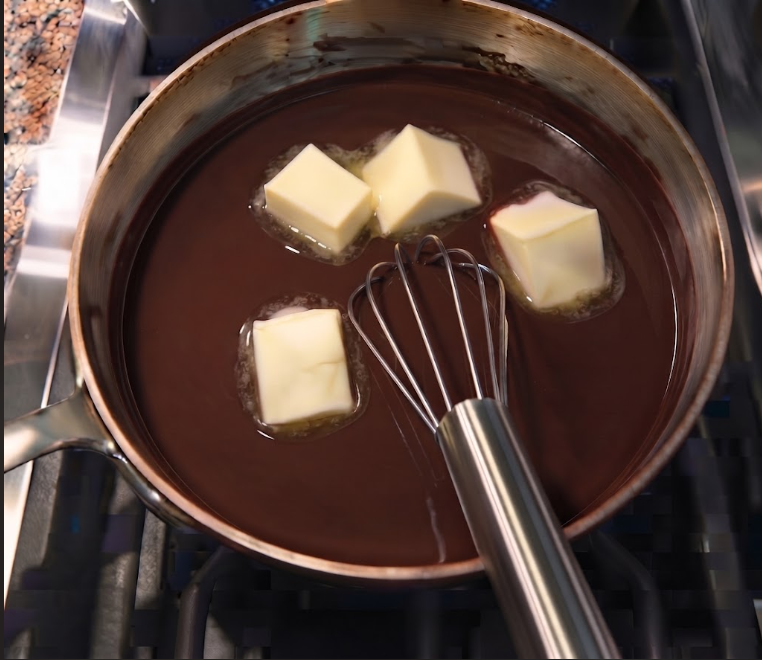
Return your cast iron skillet to the stove over medium-low heat. Add the duck fat and let it melt completely. Sprinkle in an equal amount of all-purpose flour and whisk continuously for 1 to 2 minutes. This cooks out the raw flour taste and creates a smooth, bubbling paste (the roux).
Step 4: Create the Sauce Base
Begin pouring the reserved pasta water into the roux, just a small splash at a time, whisking vigorously until it forms a thick, wet dough consistency. Slowly stream in the whole milk, a few tablespoons at a time, seasoning lightly with salt and pepper as you go. Continue adding milk until the sauce reaches a smooth, velvety consistency. Stir in the whole grain mustard.
Step 5: Fold in the Cheese
Turn the stovetop heat down to low or off completely. Gradually add the freshly shredded sharp cheddar cheese in small handfuls, stirring continuously until each batch is fully melted before adding the next. Save a small handful of cheese for the topping. If the sauce gets too thick, add another splash of milk or tap water.
Step 6: Combine and Broil
Fold the cooked macaroni and sautéed broccoli into the cheese sauce, stirring gently until everything is evenly coated. Taste and add a final pinch of salt or pepper if needed. Smooth out the top of the pasta with a wooden spoon. Sprinkle the remaining cheddar cheese and an even layer of panko breadcrumbs over the top. Place the skillet under a high broiler for 3 to 5 minutes, rotating the pan every minute, until the top is deeply golden brown and crispy.
Expert Cooking Tips
-
Shred Your Own Cheese: Pre-shredded bagged cheese is coated in anti-caking agents that prevent it from melting smoothly, often resulting in a grainy sauce. Always take the time to grate your cheese from a fresh block.
-
Don’t Rush the Liquid: When building your sauce, adding the pasta water and milk slowly ensures a perfectly smooth emulsion without lumps.
-
Mind the Heat: Cheese hates high heat. If your pan is too hot when you add the cheddar, the proteins will tighten up and cause the fat to separate, leaving you with an oily, broken sauce.
-
Watch the Broiler Closely: Broilers act incredibly fast. Do not walk away during the final step! Keep the oven light on and rotate the cast iron skillet frequently to prevent the panko from burning.
-
Cook Pasta Al Dente: The macaroni will continue to absorb liquid and cook slightly in the hot cheese sauce. Boiling it just shy of fully cooked ensures it holds its shape instead of turning to mush.
Variations to Try
-
Gouda and Gruyère Blend: Swap out half of the sharp cheddar for smoked Gouda and nutty Gruyère for a more complex, fondue-like flavor profile.
-
Bacon and Jalapeño: Fold in a half cup of crumbled, crispy bacon and a diced, seeded jalapeño for a smoky, spicy kick.
-
Truffle Mac and Cheese: Drizzle a teaspoon of high-quality white truffle oil over the breadcrumbs right after pulling the skillet out of the broiler for a luxurious, earthy finish.
What to Serve With Cast Iron Duck Fat Mac and Cheese
Because this dish is incredibly rich and hearty, it pairs beautifully with light, acidic side dishes that cut through the heavy cheese and duck fat. Serve it alongside a crisp, peppery arugula salad tossed in a sharp lemon vinaigrette, or some bright, garlic-roasted cherry tomatoes.
If you want to serve this as a side dish rather than a main course, it is the perfect accompaniment to classic Southern comfort foods. It pairs flawlessly with buttermilk fried chicken, smoked beef brisket, or thick, juicy pork chops hot off the grill.
Storage & Reheating
Refrigerator
Allow any leftover mac and cheese to cool completely. Transfer it to an airtight container or cover the cast iron skillet tightly with aluminum foil. Store in the refrigerator for up to 4 days.
Freezer
You can freeze baked mac and cheese in a freezer-safe, airtight container for up to 3 months. However, keep in mind that the pasta will be slightly softer and the creamy sauce may lose a bit of its silky texture once thawed.
Reheating
To prevent the sauce from breaking or drying out, reheat individual portions in the microwave with a small splash of milk, stirring halfway through. To reheat a larger batch, place it in an oven-safe dish, add a splash of milk, cover with foil, and bake at 350°F (175°C) until warmed through.
Frequently Asked Questions
Can I use butter instead of duck fat?
Absolutely! If you do not have rendered duck fat on hand, you can easily substitute an equal amount of unsalted butter to build your roux. The duck fat simply adds a richer, more savory depth of flavor.
Why is my cheese sauce grainy?
Grainy sauce is usually caused by two things: using pre-shredded bagged cheese, or adding the cheese to a pan that is too hot. Always use freshly grated cheese and make sure the heat is on the lowest setting (or off) when stirring it in.
Do I have to use elbow macaroni?
Not at all. You can use any short, tubular, or textured pasta that holds sauce well. Cavatappi, medium shells, penne, and rotini are all fantastic choices for homemade mac and cheese.
Can I make this ahead of time?
You can prepare the cheese sauce and fold in the noodles and broccoli ahead of time. Keep it covered in the fridge for up to two days. When you are ready to eat, top it with the breadcrumbs and bake it at 350°F until hot and bubbly, finishing it under the broiler for the crust.
What kind of mustard is best?
Whole grain mustard adds a wonderful texture and a mild, tangy acidity that balances the heavy cheese. If you don’t have it, a teaspoon of Dijon mustard or half a teaspoon of dry mustard powder works perfectly.
Final Thoughts
Making homemade mac and cheese in a cast iron skillet is a rewarding experience, and utilizing duck fat takes it to a completely different level of culinary excellence. With its incredibly creamy interior, tender broccoli florets, and that satisfyingly crispy panko crust, this is a dish you will crave time and time again. Grab your favorite block of cheddar, fire up the stove, and get ready for the best comfort food you’ve ever tasted!
Cast Iron Duck Fat Mac and Cheese with Broccoli
An elevated, savory cast iron mac and cheese featuring rich duck fat, sharp cheddar, tender broccoli, and a golden panko breadcrumb crust.
Ingredients
Equipment
Method
- Heat olive oil in a cast iron skillet over medium heat. Sauté the broccoli florets with a pinch of salt and pepper until tender. Remove and set aside. Wipe the skillet clean.
- Boil the macaroni in salted water until al dente. Reserve 1 cup of pasta water, then drain the noodles.
- In the same cast iron skillet, melt the duck fat over medium-low heat. Whisk in the flour and cook for 1-2 minutes to form a roux.
- Slowly whisk in the reserved pasta water a little at a time, followed by the milk, until you reach a smooth, creamy consistency. Stir in the whole grain mustard.
- Turn the heat to low. Gradually stir in the grated cheddar cheese (reserving a small handful for the top) until completely melted and smooth. Season with salt and pepper to taste.
- Fold the cooked pasta and sautéed broccoli into the cheese sauce until well coated.
- Smooth the top of the mixture. Sprinkle with the remaining cheddar cheese and the panko breadcrumbs.
- Place the skillet under a high broiler for 3-5 minutes, rotating frequently, until the crust is golden brown and crispy. Serve hot!
Notes
Cheese Melting: Always grate your cheese from a block. Turn the heat down as low as possible when adding the cheese to prevent the sauce from separating.
Broiler Safety: Cast iron retains heat intensely. Remember to use a thick oven mitt or handle cover when pulling the skillet out from under the broiler!