Polish Dill Pickle Soup (Zupa Ogórkowa)
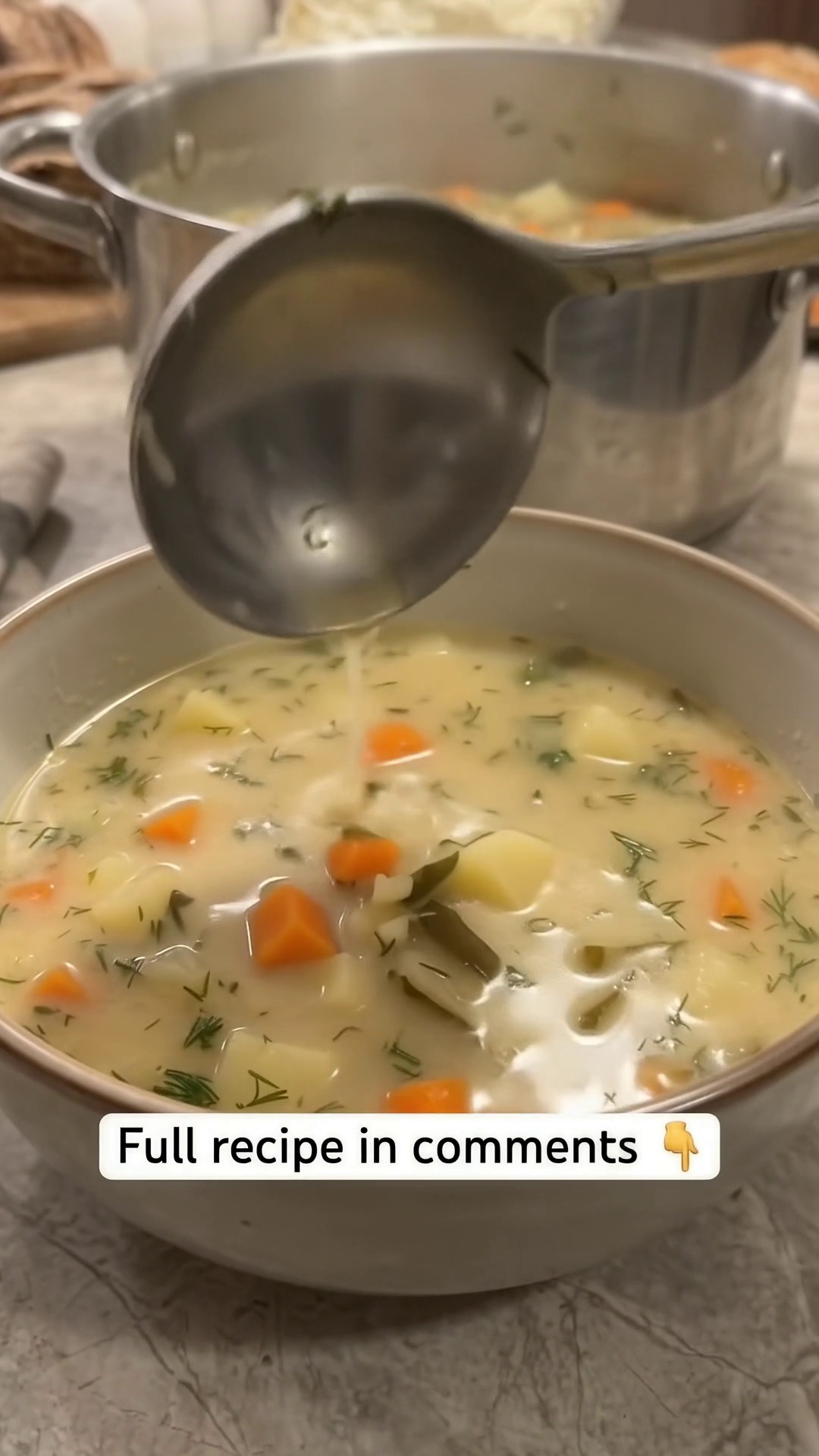
Tangy dill pickles, tender potatoes, carrots, and a gently thickened sour cream broth make a cozy pot of Polish dill pickle soup.
If you enjoy the bright flavor of dill pickles, this soup gives it a warm, savory setting. Potatoes and carrots soften in broth before grated pickles join the pot. Sour cream rounds out the sharpness, while fresh dill keeps the finish lively. The order is useful: cook the potatoes until tender before adding the acidic pickles and brine. This home version makes a generous pot for six, with a final seasoning step that lets you adjust the tang to the pickles you have.
Why You’ll Love This Recipe
- Grated pickles spread their flavor throughout the broth.
- Potatoes and carrots make the soup substantial.
- Tempered sour cream gives a creamy finish without a vigorous boil.
- The final brine addition lets you control the sharpness.
Recipe Details
Serves 6. Prep: about 15 minutes. Cook: about 30 minutes. Total: about 45 minutes. Use a large soup pot. Stovetop: medium heat to soften vegetables, then a gentle simmer. There is no oven step.
Ingredients
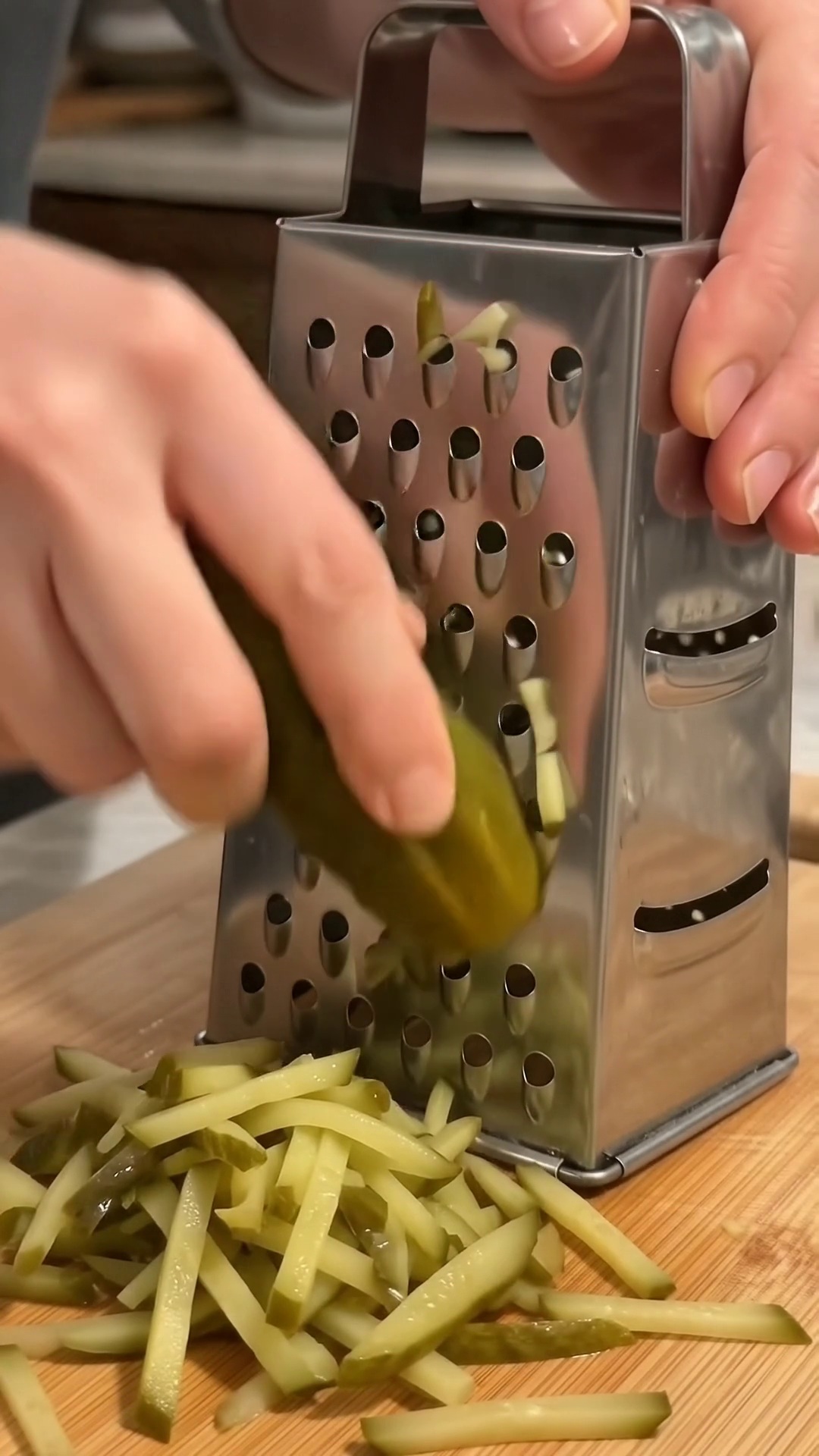
- 4 medium dill pickles, coarsely grated
- 3 medium potatoes, peeled and diced
- 2 carrots, diced
- 1 small onion, finely chopped
- 6 cups chicken or vegetable broth
- 2 tablespoons butter
- ½ cup sour cream
- 2 tablespoons all-purpose flour
- ¼ cup pickle brine, or to taste
- 2 tablespoons chopped fresh dill
- ½ teaspoon black pepper
- Salt, to taste
Use dill pickles rather than sweet pickles. Their flavor is central to the soup, so taste one before starting. Cut potatoes into similar small pieces so they become tender at about the same time. Chicken broth makes a savory base; vegetable broth keeps the soup meatless. Neither choice changes the measured amount. Reserve the brine for the final adjustment instead of pouring it in with the raw potatoes.
Numbered Instructions
- Prepare the vegetables and pickles. Dice the potatoes and carrots and finely chop the onion. Coarsely grate the dill pickles, keeping them separate from the fresh vegetables. Set out the sour cream and flour for the finishing mixture.
- Soften onion and carrot. Melt the butter in a large pot over medium heat. Add the onion and carrots and cook for 4–5 minutes, stirring regularly, until the onion softens. Do not brown the butter deeply; this soup is built on a gentle vegetable base.
- Cook the potatoes first. Add the broth and diced potatoes. Bring to a boil, then reduce to a simmer for 12–15 minutes, or until a potato piece is easily pierced. If the pieces are still firm, continue cooking before adding the pickles.
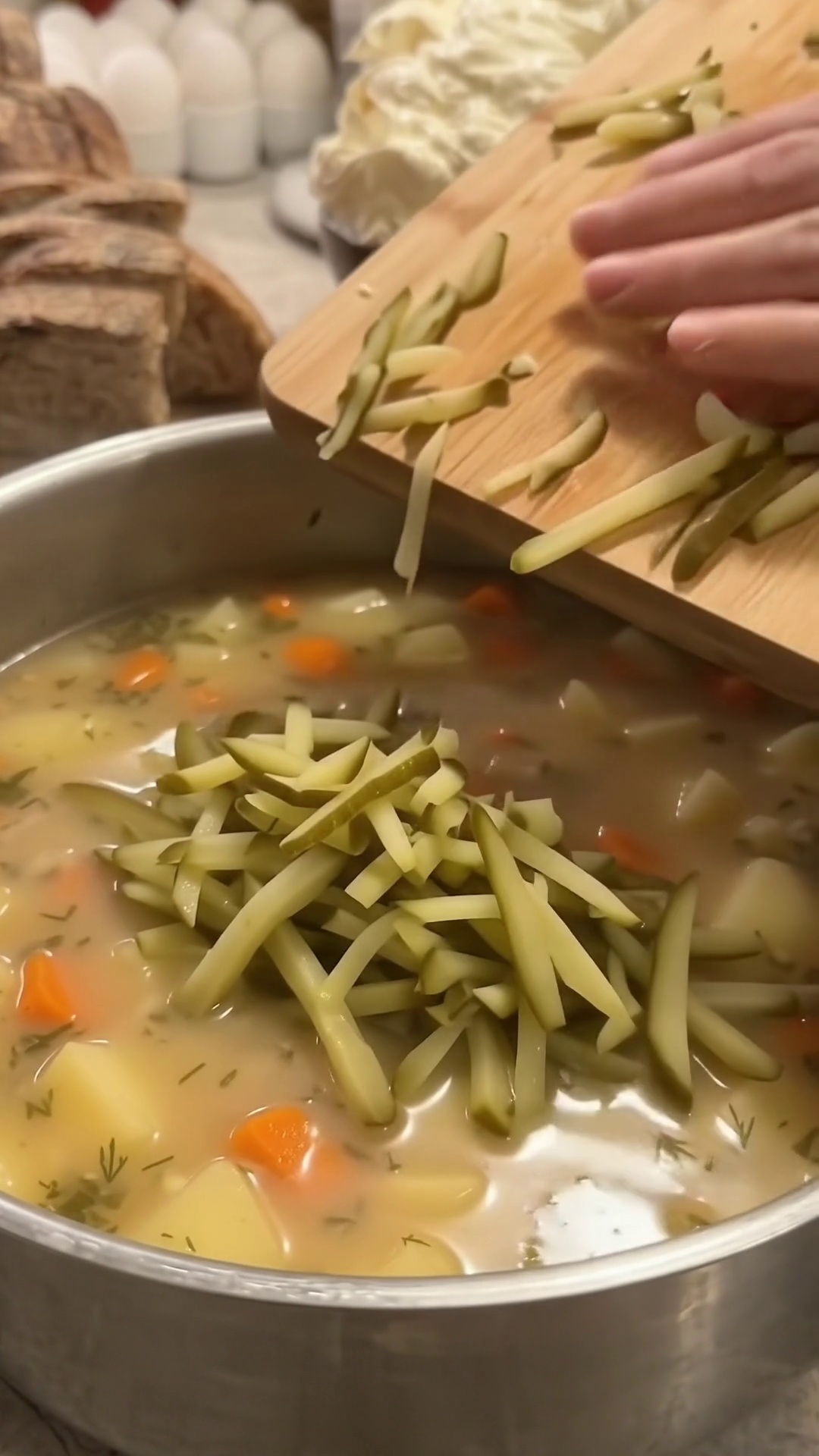
- Add the grated pickles. Stir the grated pickles into the tender vegetables and simmer for about 5 minutes. Turn them through the broth so they do not remain in one clump.
- Temper the sour cream. Whisk the sour cream and flour in a bowl until smooth. Gradually whisk in hot broth from the pot to warm and loosen the mixture. Stir the warmed mixture back into the soup slowly.
- Finish gently. Simmer gently for another 3–5 minutes, stirring, until the flour has cooked and the broth is lightly thickened. Avoid a vigorous boil. Add the pickle brine gradually, followed by fresh dill and black pepper. Taste before adding salt, then serve warm.
Helpful Tips
Tender potatoes are the checkpoint that matters most. Acidic ingredients can slow their softening, so the pickles belong after the potatoes have cooked. The exact time depends on the dice and potato variety; use a fork test instead of relying only on the timer.
Whisk the flour into the sour cream before adding hot broth. Dry flour sprinkled directly into the pot can form lumps, while cold sour cream added abruptly can separate. Tempering makes the transition gentler. Once the dairy mixture is in, keep the pot at a quiet simmer and stir along the bottom so the thickened soup does not catch.
Variations and Serving Ideas
Choose chicken broth or vegetable broth according to how you want to serve the soup. For a milder bowl, start with less than the full ¼ cup brine and stop when the flavor is balanced. For a tangier finish, use the listed brine amount to taste rather than adding extra salt automatically. Rye bread is an optional accompaniment and works well for dipping into the creamy broth. Keep the measured potatoes, pickles, and sour cream unchanged when first making the recipe.
Storage and Reheating
Divide leftovers into shallow containers and refrigerate within 2 hours. Store covered for 3–4 days. Reheat gently while stirring until the soup reaches 165°F, avoiding an aggressive boil that can affect the sour cream texture. If it has thickened in the refrigerator, loosen with a small splash of water as needed. Freezing can make the potatoes softer and the dairy broth slightly grainy, so refrigeration is the better option for the finished soup.
Frequently Asked Questions
Can I use bread-and-butter pickles?
They bring a different, sweet flavor and are not a direct match for this dill pickle soup. Use savory dill pickles for the recipe as written.
Why is my soup too salty?
Broth, pickles, and brine all contribute salt. Taste before adding the final salt and add brine gradually. A low-sodium broth is a useful choice.
Does the sour cream need to boil?
It needs gentle heating with the flour mixture, not a rolling boil. Temper it with hot broth, then simmer quietly for the listed finishing time.