Italian Almond Paste Cookies
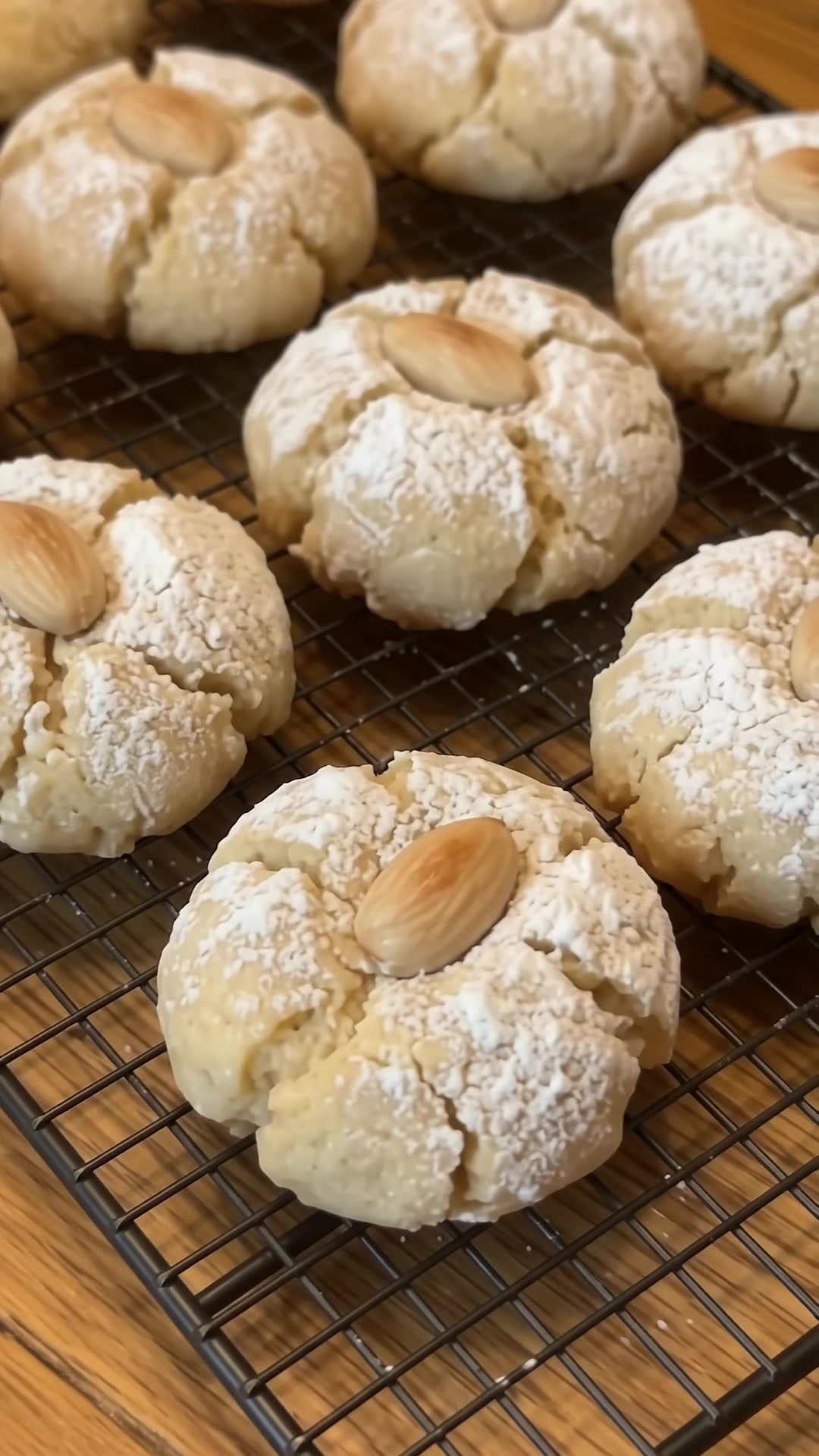
Italian almond paste cookies have a tender, chewy center, a lightly golden edge, and a delicate powdered sugar finish with almonds on top.
Almond paste is the heart of this simple cookie dough. Combined with sugar, egg whites, and almond extract, it produces a richly flavored cookie without a separate addition of flour or butter. The short ingredient list makes careful mixing and gentle baking especially useful. These cookies should remain soft inside rather than baking into crisp, deeply browned rounds. The working recipe here uses sliced almonds for decorating; the featured photo shows almond-topped cookies with a different, whole-almond-style presentation.
Why You’ll Love This Recipe
- Almond paste gives the cookies a pronounced almond flavor.
- The dough needs only a handful of ingredients.
- Egg whites help create a tender, chewy interior.
- Powdered sugar and sliced almonds provide an easy decorative finish.
- Chilling makes the soft dough easier to shape by hand.
Recipe Details
Oven: 350°F. Baking time: about 15–18 minutes per batch. Allow about 20 minutes for mixing and shaping, plus chilling and cooling time. The dough should be chilled until manageable rather than for a fixed duration. Yield varies with the size of your dough balls; portion them evenly and watch the first tray to establish the best timing for your oven.
Ingredients
- 16 ounces almond paste
- 1 cup sugar
- ¼ teaspoon salt
- 2 large egg whites
- 1 teaspoon almond extract
- Sliced almonds, for decorating
- Powdered sugar, for coating or dusting
Choose almond paste, not marzipan. They are different products, and switching between them changes the balance of sugar and almonds. Check the package label before starting. Break the paste into small pieces so it blends evenly with the sugar. Use the measured egg whites called for here rather than whole eggs; yolks would change the dough.
The decorating almonds and powdered sugar do not have specified quantities in this working version. Use them as a finishing coating without adding a made-up measured amount to the dough. If the powdered sugar has lumps, sift it into a shallow bowl so it rolls onto the dough more evenly.
Numbered Instructions
- Break up the almond paste. Place the almond paste in a mixing bowl with the sugar and salt. Mix until the paste breaks down into small, fairly uniform pieces, scraping the bowl as necessary.
- Make the dough. Add the egg whites and almond extract. Beat until smooth and evenly combined, pausing to scrape the bottom and sides of the bowl. The mixture will be softer and stickier than a typical flour-based cookie dough. Avoid leaving firm lumps of almond paste in it.
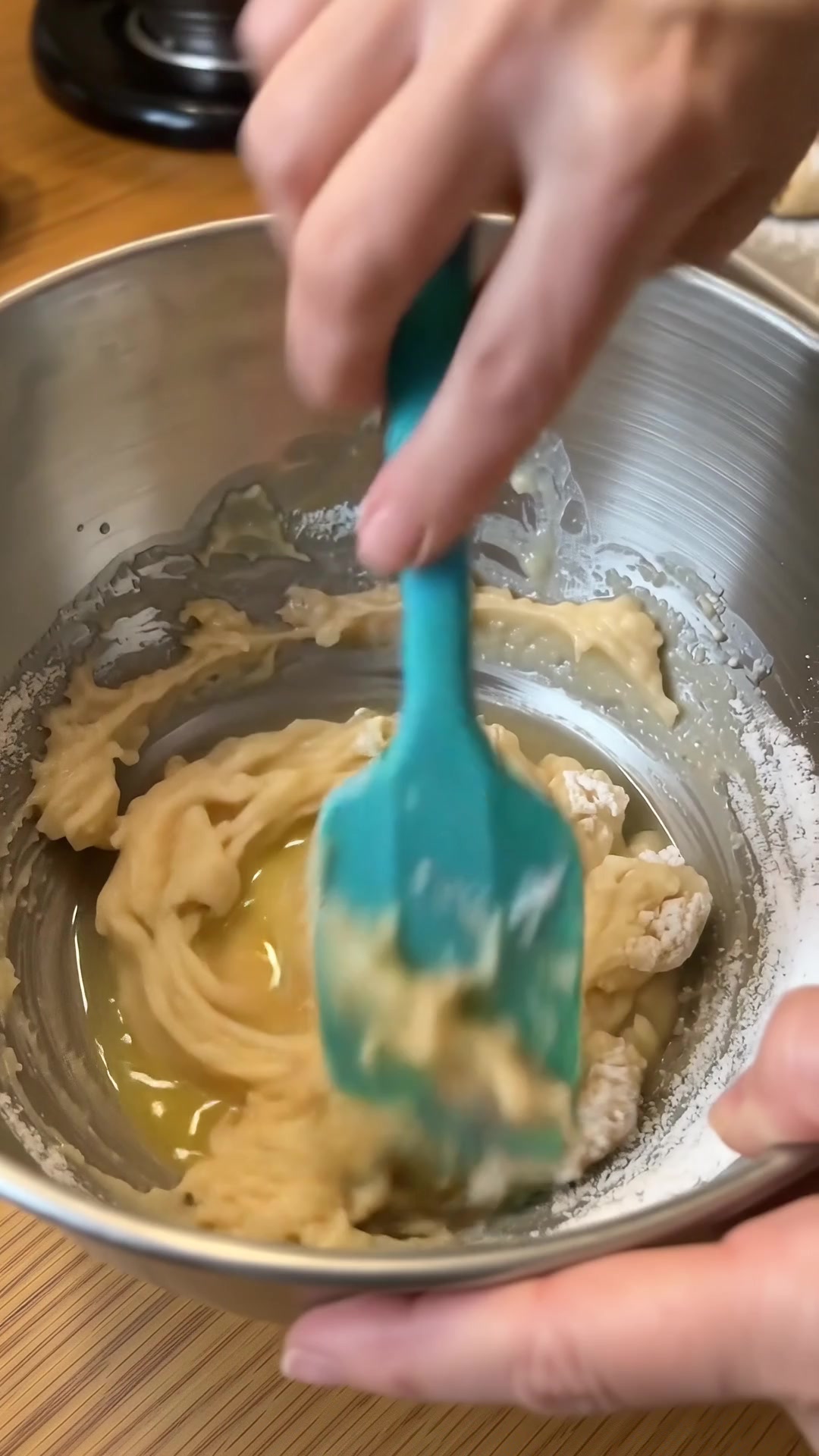
- Chill until manageable. Cover the bowl and refrigerate until the dough is firm enough to portion and shape. Check its texture before beginning: it should hold a rounded shape without flowing across your hands.
- Prepare the oven and sheets. Heat the oven to 350°F and line baking sheets with parchment paper. Set out the powdered sugar and sliced almonds so you can finish each portion without handling the dough longer than necessary.
- Shape and decorate. Form the chilled dough into small, evenly sized balls. Roll each lightly in powdered sugar and place on a prepared sheet with room between cookies. Press sliced almonds gently onto each top so they adhere without flattening the whole ball.
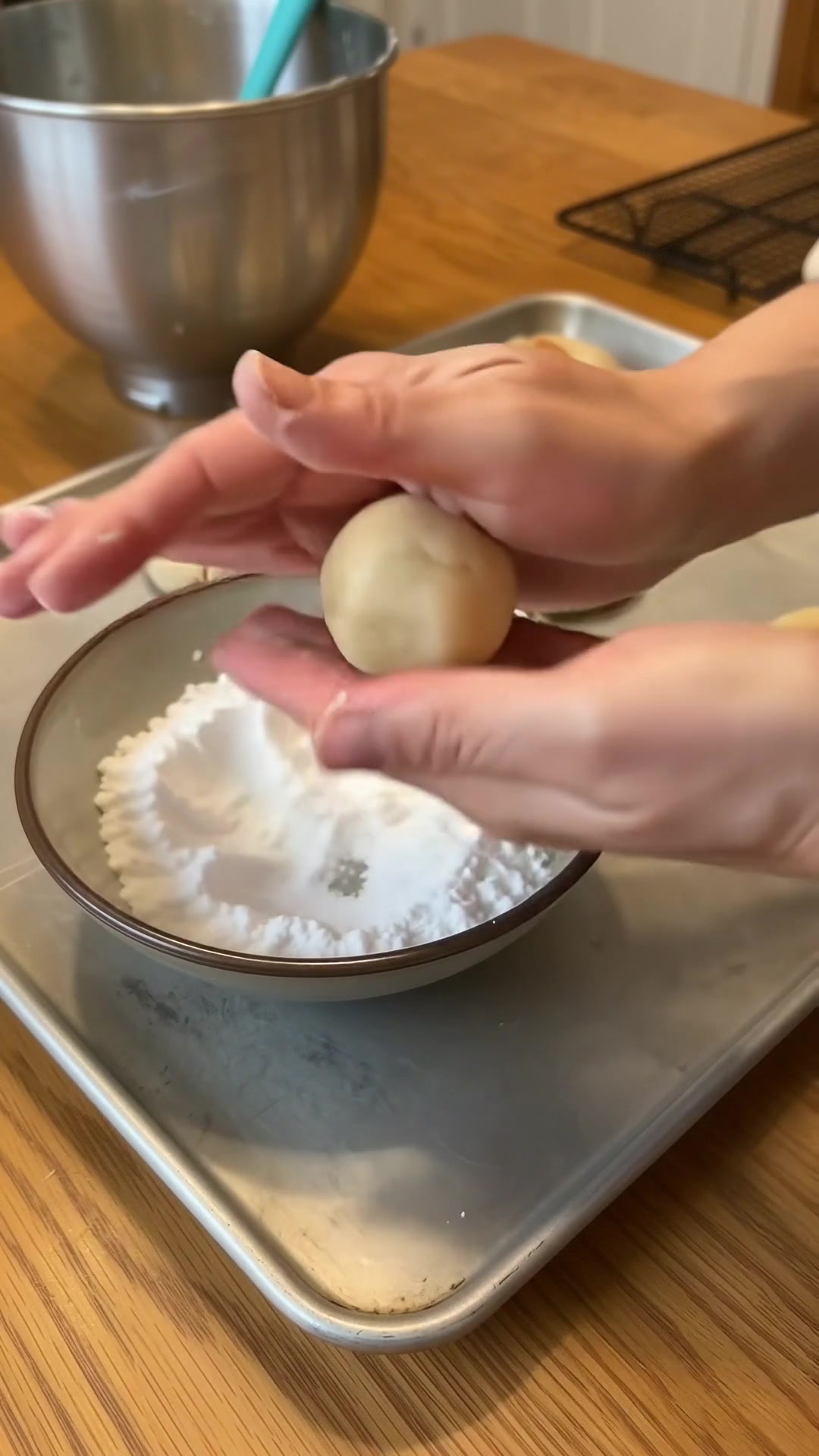
- Bake gently. Bake for about 15–18 minutes, until the edges just begin to turn golden. The tops may develop small cracks and remain pale. Do not wait for the centers to become hard or for the entire cookie to brown.
- Cool before moving. Leave the cookies on the baking sheet until they have firmed enough to lift with a thin spatula. Transfer to a rack and cool completely. Add a light dusting of powdered sugar after cooling if you prefer a more visible finish.
Helpful Tips
Sticky dough is expected, but warm dough can become difficult to portion neatly. Return it to the refrigerator whenever it softens too much. Work with part of the bowl at a time, keeping the rest chilled if the kitchen is warm. Adding flour to solve stickiness would change this recipe, so rely on chilling and gentle handling instead.
Check the smaller cookies first because they bake more quickly. Almond-rich dough can look pale even when it is ready, making the first golden edge a more useful signal than overall color. Let a used sheet cool before adding another batch, and keep finished cookies on the pan briefly so their delicate bases can set.
Variations
Use a light powdered sugar coating before baking for a subtle finish, or add a final dusting once the cookies are cool for a snowy look. Keep the topping as sliced almonds in this working recipe, arranging them loosely across the surface or in a small cluster.
For a smaller cookie assortment, portion smaller balls and begin checking earlier. For a more substantial cookie, make slightly larger balls but keep the size consistent across the tray. Let the pale tops and lightly golden edges guide you rather than carrying one baking time across every size.
Storage Advice
Store completely cooled cookies in an airtight container at room temperature for about 4 days. Separate layers with parchment so the almond decorations and powdered sugar finish stay intact. Avoid storing them alongside very crisp cookies, since different textures can change as they share the same container.
Freeze the cooled cookies in a well-sealed container for up to 2 months. Thaw while covered at room temperature to limit condensation on the surface. Refresh the powdered sugar only after thawing. Pack them gently for gifts, allowing enough room to protect the almond toppings without leaving space for the cookies to slide around.