Best Easy Cast Iron Dutch Baby Pancake (Foolproof Recipe)
Best Easy Cast Iron Dutch Baby Pancake
A Spectacular Weekend Breakfast Classic
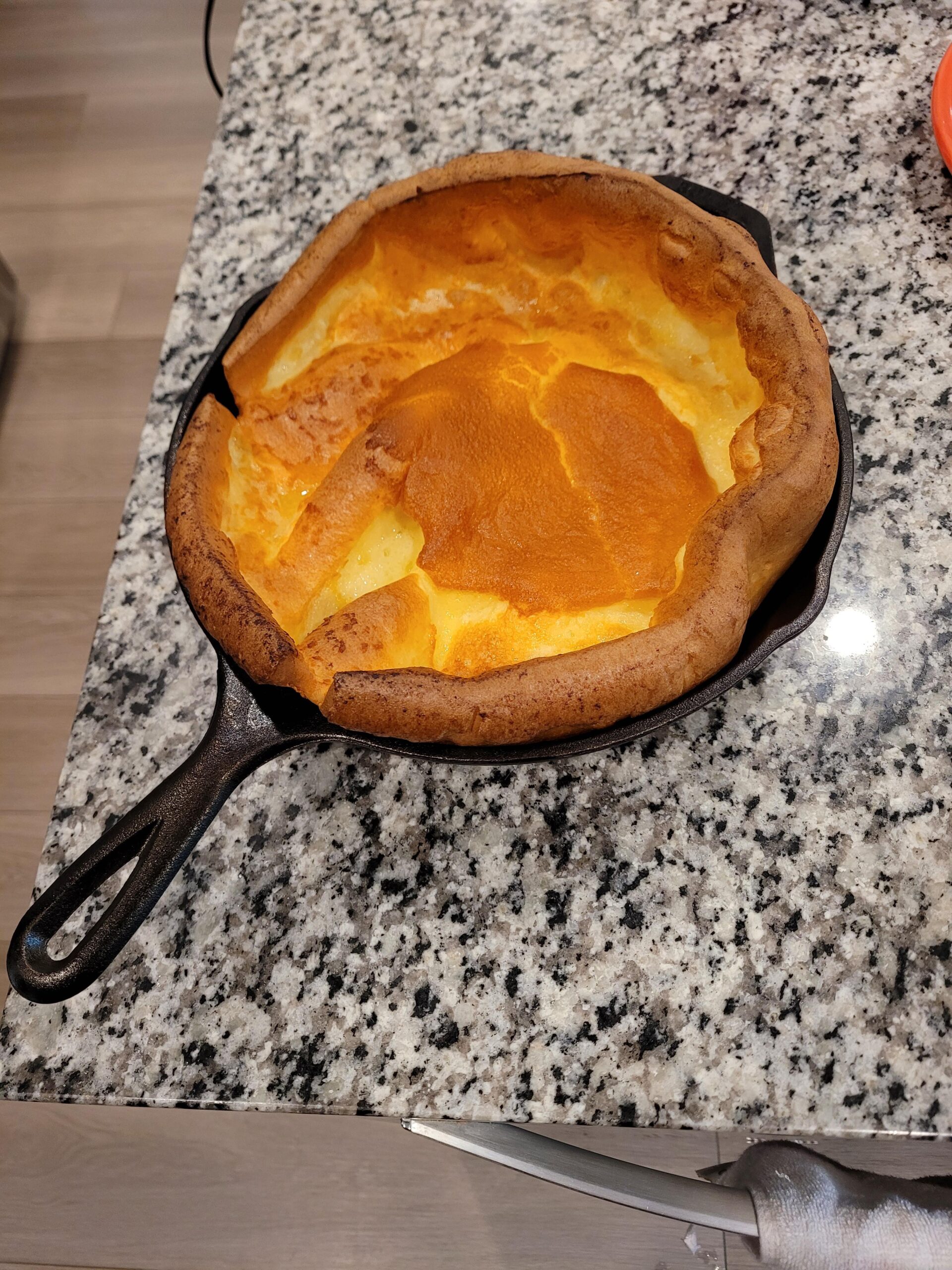
A Dutch baby pancake is a truly magical breakfast experience. Often called a German pancake or a Bismarck, it is essentially a giant, puffy popover cooked in a sizzling hot cast iron skillet. As it bakes, the edges climb high up the sides of the pan, turning deeply golden and crispy, while the center remains rich, tender, and slightly custardy. Whether you are hosting a special holiday brunch or just treating yourself on a lazy Sunday morning, this dramatic dish always steals the show.
The absolute best part about this recipe is how shockingly simple it is to prepare. If you are tired of standing over a hot stove flipping endless batches of individual flapjacks, this one-pan wonder is the perfect solution. The batter comes together in seconds using basic pantry staples you already have in your kitchen.
Baking it in a cast iron skillet is the secret to achieving that coveted, crispy crust. The heavy metal holds onto the heat perfectly, ensuring the butter browns beautifully and the batter puffs up to incredible heights. Once you pull this towering, golden masterpiece out of the oven, it will instantly become a permanent fixture in your morning rotation.
Why You’ll Love This Recipe
-
Hands-Off Cooking: Forget flipping pancakes! Simply pour the batter into the hot skillet, pop it in the oven, and let the heat do all the hard work.
-
Incredible Presentation: The dramatic, bowl-like puff of the pastry looks incredibly impressive and gourmet right out of the oven.
-
Simple Ingredients: You only need eggs, flour, milk, sugar, and butter. There are no complicated or expensive ingredients required.
-
Highly Customizable: The subtly sweet, buttery base pairs perfectly with a massive variety of fresh fruits, syrups, and powdered sugar.
-
Foolproof Method: The unique two-step baking temperature ensures the pancake rises beautifully without burning the delicate edges.
Ingredients
-
Eggs: 3 large eggs. It is absolutely crucial that these are at room temperature to achieve the maximum lift and puff.
-
All-Purpose Flour: 1/2 cup of standard all-purpose flour, spooned and leveled.
-
Milk: 1/2 cup of whole milk or 2% milk. Like the eggs, the milk must be at room temperature so the batter does not seize.
-
Sugar: A generous pinch of granulated sugar to encourage browning and add a hint of sweetness.
-
Butter: 2 tablespoons of unsalted butter to coat the skillet and create a rich, savory crust.
Step-by-Step Instructions
Step 1: Prep Your Ingredients
Before you begin, make sure your eggs and milk are sitting at room temperature. Cold ingredients will weigh down the batter and prevent the Dutch baby from puffing up properly in the oven. Preheat your oven to 425°F (220°C).
Step 2: Blend the Batter
In a medium mixing bowl, vigorously whisk the room-temperature eggs, milk, all-purpose flour, and a pinch of sugar together. You want the batter to be completely smooth and free of any flour lumps. For the best results, you can also pulse these ingredients together in a blender for about 30 seconds.
Step 3: Melt the Butter
Place a 10-inch cast iron skillet directly into the preheating oven for a few minutes until it is scorching hot. Carefully remove the hot skillet using an oven mitt, drop in the 2 tablespoons of butter, and swirl it around until it is completely melted and bubbling.
Step 4: The High-Heat Bake
Immediately pour your smooth batter directly into the center of the hot, buttered skillet. Transfer the pan back into the oven. Bake at 425°F (220°C) for 20 minutes. During this time, the edges will climb up the sides of the skillet and turn golden brown. Do not open the oven door during this phase, or the sudden drop in temperature could cause the pancake to deflate!
Step 5: The Low-Heat Finish
After 20 minutes, lower the oven temperature to 300°F (150°C). Leave the Dutch baby in the oven for an additional 5 minutes. This brilliant temperature drop allows the thick, custardy center of the pancake to finish cooking and drying out slightly without burning those beautiful, crispy edges. Remove from the oven and serve immediately!
Expert Cooking Tips
-
Room Temperature is Mandatory: Cold milk and eggs will chill the batter, preventing the rapid steam creation needed to make the pancake rise. Set them on the counter for 30 minutes before mixing.
-
Preheat the Skillet: Pouring the batter into a preheated, sizzling hot cast iron pan creates an immediate seal on the dough, encouraging it to climb the walls of the skillet rather than sticking to the bottom.
-
Use a Blender: While you can easily use a whisk, throwing the ingredients into a blender introduces extra air into the batter, which translates to a much taller, fluffier final product.
-
Serve Immediately: Dutch babies begin to deflate almost as soon as they leave the hot oven. Have your toppings prepped and ready so you can slice and serve it right away.
Variations to Try
-
Classic Lemon and Sugar: Skip the heavy syrups and simply serve the pancake with a generous squeeze of fresh lemon juice and a heavy dusting of powdered sugar.
-
Fresh Berry Compote: Top the warm, buttery center with a spoonful of warm blueberry or strawberry compote and a dollop of fresh whipped cream.
-
Savory Herb and Cheese: Omit the pinch of sugar from the batter. Top the finished pancake with a fried egg, crispy bacon, and a sprinkle of sharp cheddar and fresh chives.
What to Serve With Cast Iron Dutch Baby Pancake
Because this dish is quite rich and buttery, it pairs beautifully with bright, acidic side dishes. Serve it alongside a large bowl of mixed fresh fruit or a crisp citrus salad.
If you are serving a crowd, balance the sweet, doughy pastry with savory breakfast staples. A side of thick-cut, crispy bacon, smoky breakfast sausages, or crispy hash browns rounds out the meal perfectly. Do not forget a large pot of hot, freshly brewed coffee!
Storage & Reheating
Refrigerator
Allow any leftover pancake to cool completely to room temperature. Slice it into wedges and store it in an airtight container in the refrigerator for up to 3 days.
Freezer
While you can technically freeze a cooked Dutch baby for up to 2 months, it is not highly recommended. The delicate, airy texture will become dense and slightly rubbery when thawed.
Reheating
To bring life back to your leftovers, place the wedges on a baking sheet and warm them in a 350°F (175°C) oven for about 5 to 7 minutes until the edges crisp up again. Microwaving will make the pastry soft and soggy.
Frequently Asked Questions
Why didn’t my Dutch baby puff up?
The most common culprit for a flat Dutch baby is using cold ingredients. If your eggs and milk were straight from the fridge, the batter cannot create the rapid steam necessary for lifting. An oven that wasn’t fully preheated can also cause a flat bake.
Can I make the batter ahead of time?
Yes! You can blend the batter the night before and store it in the refrigerator. However, you must let the batter sit on the counter for at least 30 minutes to come up to room temperature before pouring it into your hot skillet.
Do I have to use a cast iron skillet?
While cast iron is ideal because of its superior heat retention, you can also use a heavy-bottomed, oven-safe stainless steel skillet or even a 9×13 glass baking dish. Avoid non-stick pans, as they cannot safely handle the high 425°F oven heat.
What is the difference between a Dutch baby and a regular pancake?
Regular pancakes use chemical leaveners (like baking powder or baking soda) and are cooked individually on a stovetop griddle. A Dutch baby uses no leavening agents; it relies entirely on the steam generated from the hot oven to puff up inside a single large pan.
Can I double this recipe?
If you want to double the recipe, you must use a significantly larger pan (like a 12-inch or 14-inch skillet) or bake two separate 10-inch skillets at the same time. If you pour a doubled batter into a 10-inch pan, it will be too heavy to puff up and the center will remain raw.
Final Thoughts
Making a cast iron Dutch baby pancake is one of the easiest ways to bring a touch of bakery-level magic to your home kitchen. With its incredibly crispy edges, custardy center, and stunning presentation, it is a foolproof recipe that delivers maximum impact with minimal effort. Grab your trusty skillet, blend up that batter, and get ready for a phenomenal breakfast!

Best Easy Cast Iron Dutch Baby Pancake
A wildly impressive, puffy, and golden-brown oven-baked pancake made in a cast iron skillet. Perfect for a quick and elegant breakfast.
Ingredients
Equipment
Method
- Preheat your oven to 425°F (220°C).
- In a medium bowl or a blender, thoroughly mix the room-temperature eggs, milk, flour, and a pinch of sugar until the batter is completely smooth and lump-free.
- Place a 10-inch cast iron skillet in the preheated oven for 3-5 minutes until very hot.
- Carefully remove the skillet from the oven using an oven mitt. Add the butter and swirl the pan until it is completely melted and bubbling.
- Immediately pour the blended batter into the center of the hot skillet.
- Return the skillet to the oven and bake at 425°F (220°C) for exactly 20 minutes. Do not open the oven door!
- Lower the oven temperature to 300°F (150°C) and bake for a final 5 minutes to allow the center to set and the edges to crisp.
- Remove from the oven, slice into wedges, and serve immediately with your favorite toppings.
Notes
Temperature Matters: Do not skip bringing the milk and eggs to room temperature. It is the secret to a sky-high puff.