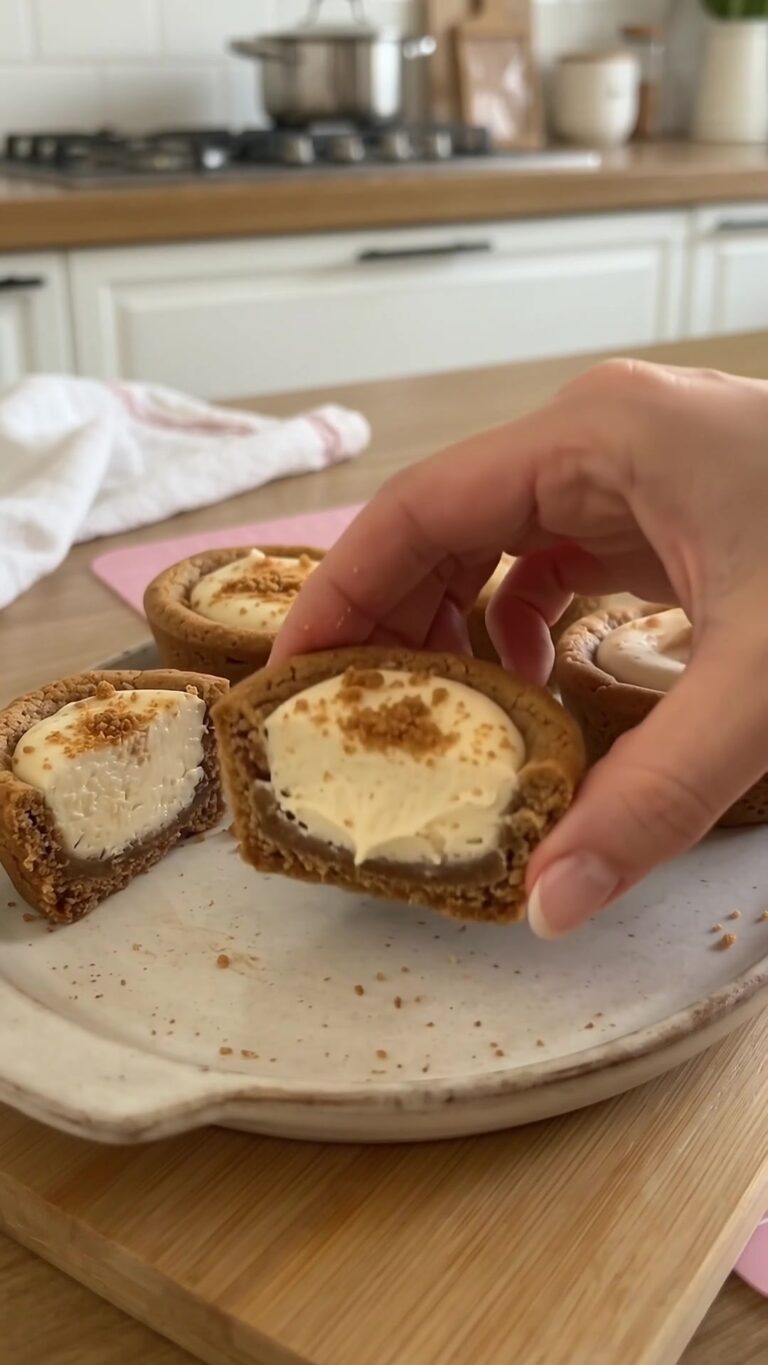
Homemade Potato Dinner Rolls (Soft, Fluffy & Golden)
Homemade Potato Dinner Rolls – Soft, Fluffy, and Golden
Homemade potato dinner rolls bring a tray of soft, golden bread to the table with a little help from plain mashed potatoes. The potatoes add moisture to the dough, creating a tender crumb that is lovely with butter, a bowl of soup, or a Sunday roast.
These old-fashioned rolls use familiar pantry ingredients and can be kneaded by hand or with a stand mixer. Give the dough time to rise, shape it into twelve portions, and brush the tops with egg wash before baking. They make a comforting addition to Thanksgiving, Christmas, or any dinner that deserves fresh bread.
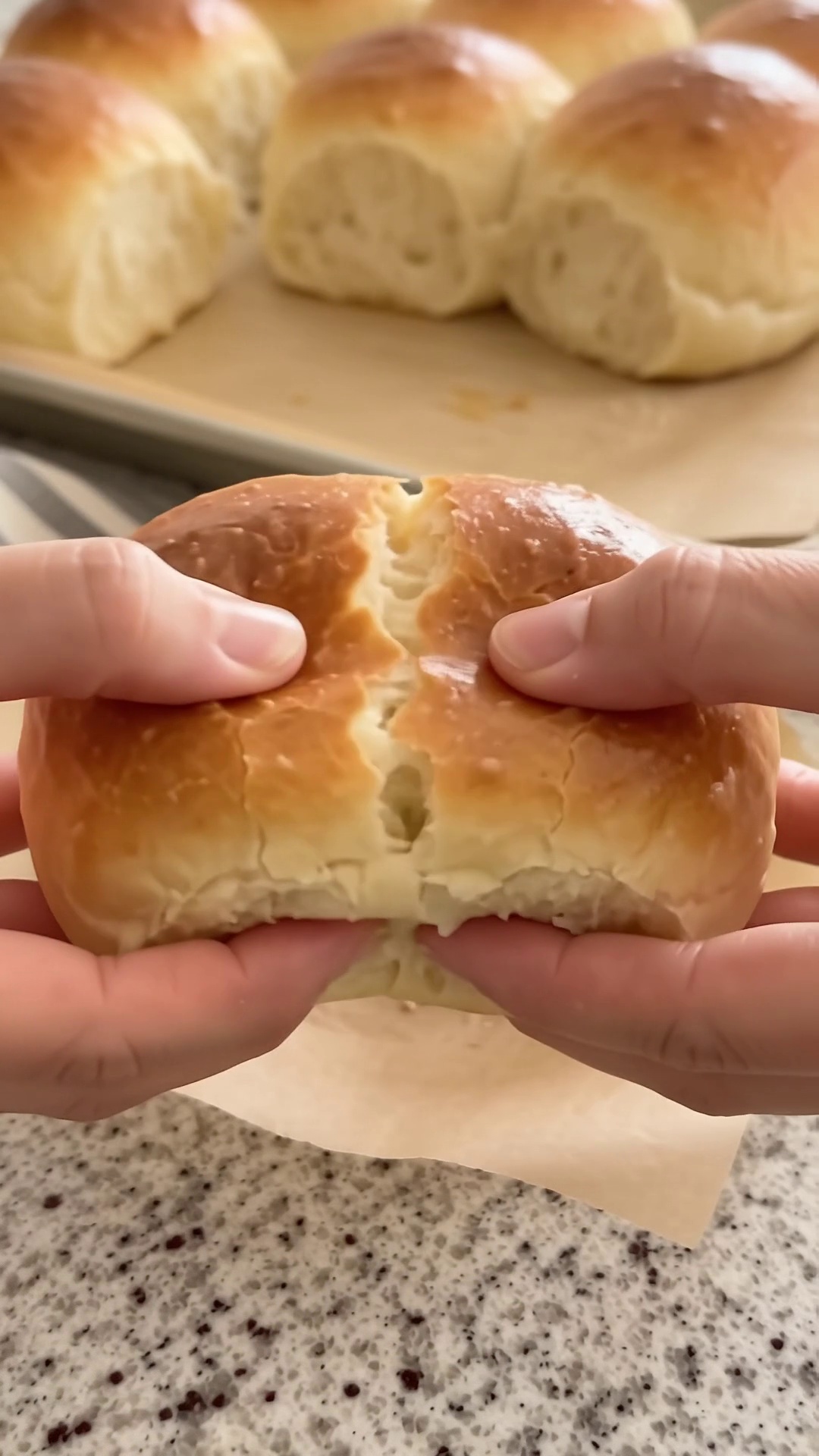
Prep: About 25 minutes | First rise: 60–90 minutes | Second rise: 25–35 minutes | Bake: 20–25 minutes | Total: Approximately 2½ hours, depending on potato preparation and rising conditions | Yield: 12 rolls
Potato Dinner Roll Ingredients
For the Dough
- 1 cup plain mashed potatoes, cooled until lukewarm
- 3 cups all-purpose flour, plus more as needed
- 2¼ teaspoons instant yeast, 1 standard packet
- ¼ cup warm whole milk, about 105–110°F
- 1 large egg, at room temperature
- 3 tablespoons unsalted butter, softened
- 2 tablespoons granulated sugar
- 1 teaspoon salt
For the Finish
- 1 large egg, for egg wash
- 1 tablespoon milk, for egg wash
- 1 tablespoon melted butter, optional, for brushing after baking
Use plain mashed potatoes without added dairy or seasonings. Potato size and moisture vary, so measure the mash after cooking rather than relying only on a potato count. Keep extra flour nearby, but add it sparingly to preserve a soft dough.
How to Make Homemade Potato Dinner Rolls
1. Boil and Mash the Potatoes
Peel about two medium potatoes and cut into even pieces. Cover with cold water in a saucepan, bring to a boil, and cook for 15–20 minutes, until completely tender.
Drain thoroughly and return to the warm saucepan briefly to evaporate excess moisture. Mash smoothly without adding milk, butter, or seasoning. Measure 1 cup and let it cool to lukewarm.
2. Combine the Dough Ingredients
Mix the lukewarm mashed potatoes, warm milk, sugar, softened butter, and dough egg in a large bowl. Stir in the instant yeast. Add about 2½ cups flour and the salt, stirring until a soft dough forms.
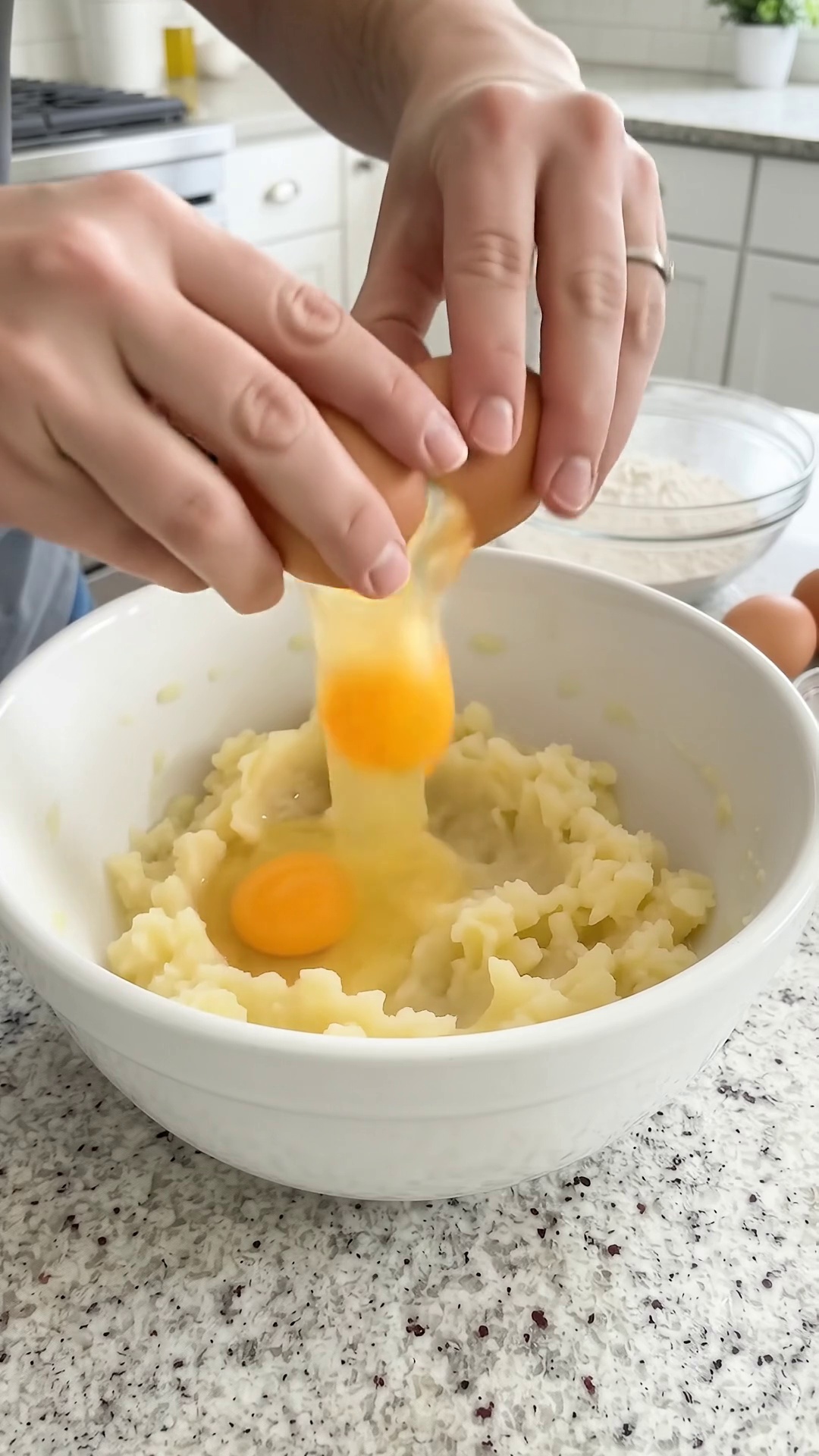
Gradually add the remaining measured flour until manageable. The dough should feel soft and slightly tacky, with no large potato pieces. Avoid adding flour until it becomes stiff or completely dry to the touch.
3. Knead Until Smooth
Knead on a lightly floured surface for 8–10 minutes, stretching and folding until smooth and elastic. Dust with small amounts of flour only when sticking becomes excessive. Alternatively, use a dough hook on low speed for 6–8 minutes.
4. Let the Dough Rise
Place in a lightly greased bowl, turning once to coat. Cover with a clean towel or plastic wrap and leave in a warm, draft-free place for 60–90 minutes, until doubled. Judge the rise by the dough’s size rather than the clock alone.
5. Shape Twelve Rolls
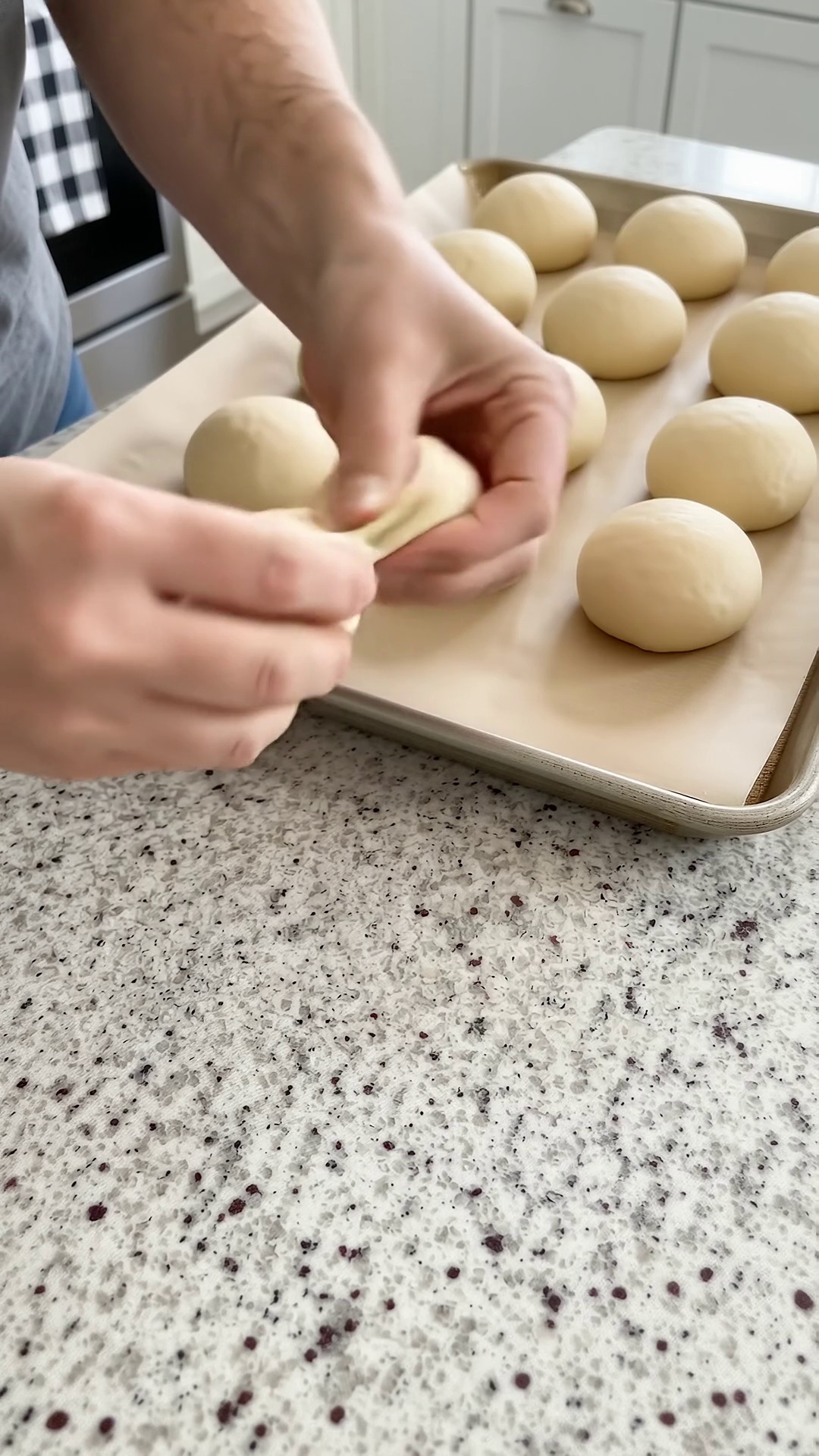
Gently press down the risen dough and divide into 12 equal portions. Pull the edges of each piece underneath, then roll against the counter to make a smooth ball. Similar-sized portions help the rolls bake evenly.
6. Arrange and Rise Again
Line or grease a 9 × 13-inch baking dish. Arrange the rolls with a little space between them, cover loosely, and let rise for 25–35 minutes, until noticeably puffy. Preheat the oven to 375°F (190°C) during the final 15 minutes.
7. Brush and Bake
Whisk the egg-wash egg with 1 tablespoon milk. Brush gently over the risen rolls without pressing down. Bake on the center rack for 20–25 minutes, until golden and cooked through; the centers should reach about 190°F.
If the tops brown too quickly, loosely tent with foil near the end. Brush with the optional melted butter after baking and cool in the pan for 5–10 minutes before serving.
Tips for Soft, Fluffy Rolls
Cool the potatoes. Very hot mash can damage the yeast. Lukewarm ingredients keep the dough comfortable to handle and allow it to rise.
Measure flour gently. Spoon flour into the cup and level it. Packed flour can make the dough dense before kneading even begins.
Keep the dough soft. Potato dough can feel tackier than ordinary bread dough. Add small dustings of flour instead of large handfuls.
Allow both rises. A cold kitchen may require extra time. Puffy shaped rolls are a better guide than rushing to bake as soon as the timer rings.
Make-Ahead, Storage, and Reheating
For an overnight start, refrigerate the kneaded dough in a lightly greased, tightly covered bowl. The next day, let it warm slightly, shape, and allow the rolls to become puffy before brushing and baking. Cold dough needs extra rising time.
Cool baked rolls completely and keep airtight at room temperature for 2–3 days. Refrigeration can speed staling, so freezing is preferable for longer storage. Freeze in a sealed bag for up to 3 months and thaw at room temperature.
Reheat loosely wrapped in foil at 300°F for 10–15 minutes, or microwave one roll for 10–15 seconds. Serve with soup, pot roast, or turkey, and use leftover rolls for small sandwiches.
Frequently Asked Questions
Can I use leftover mashed potatoes?
Yes, if they are plain or only lightly seasoned. Added milk, butter, cheese, or gravy changes the dough’s moisture and flavor, so freshly prepared plain mash is most predictable.
Do I need a stand mixer?
No. Knead by hand for 8–10 minutes until smooth and elastic, using a lightly floured surface.
Why did my rolls fail to rise or turn out dense?
Check for expired yeast, overly hot ingredients, a cold room, excess flour, or insufficient kneading and rising. Keep the dough soft and wait for visible expansion.
Can I freeze the baked rolls?
Yes. Cool completely, seal well, and freeze for up to 3 months. Thaw before reheating gently so the rolls stay tender.