Sourdough Discard Blueberry Muffins with Crumb Topping
Tender blueberry muffins with sourdough discard, juicy berries, and a simple buttery crumb topping.
Sourdough discard blueberry muffins make a useful breakfast bake when you have a small amount of leftover starter. Baking powder and baking soda supply the lift, so there is no fermentation wait. The discard adds moisture and a mild tang that balances the sweet berries. Mix gently and bake promptly for a light crumb with a pleasantly golden top.
Why You’ll Love These Muffins
- Uses a modest amount of mature discard.
- No mixer or starter feeding required.
- Fresh or frozen blueberries both work.
- Individual portions freeze well for busy mornings.
Sourdough Discard Blueberry Muffins Recipe
Prep: 20 minutes
Bake: 21–25 minutes
Cooling: 20 minutes
Yield: 12 standard muffins
Oven: 425°F initially, then 350°F
Ingredients
For the Muffins
- 1¾ cups all-purpose flour, spooned and leveled
- ¾ cup granulated sugar
- 2 teaspoons baking powder
- ¼ teaspoon baking soda
- ½ teaspoon fine salt
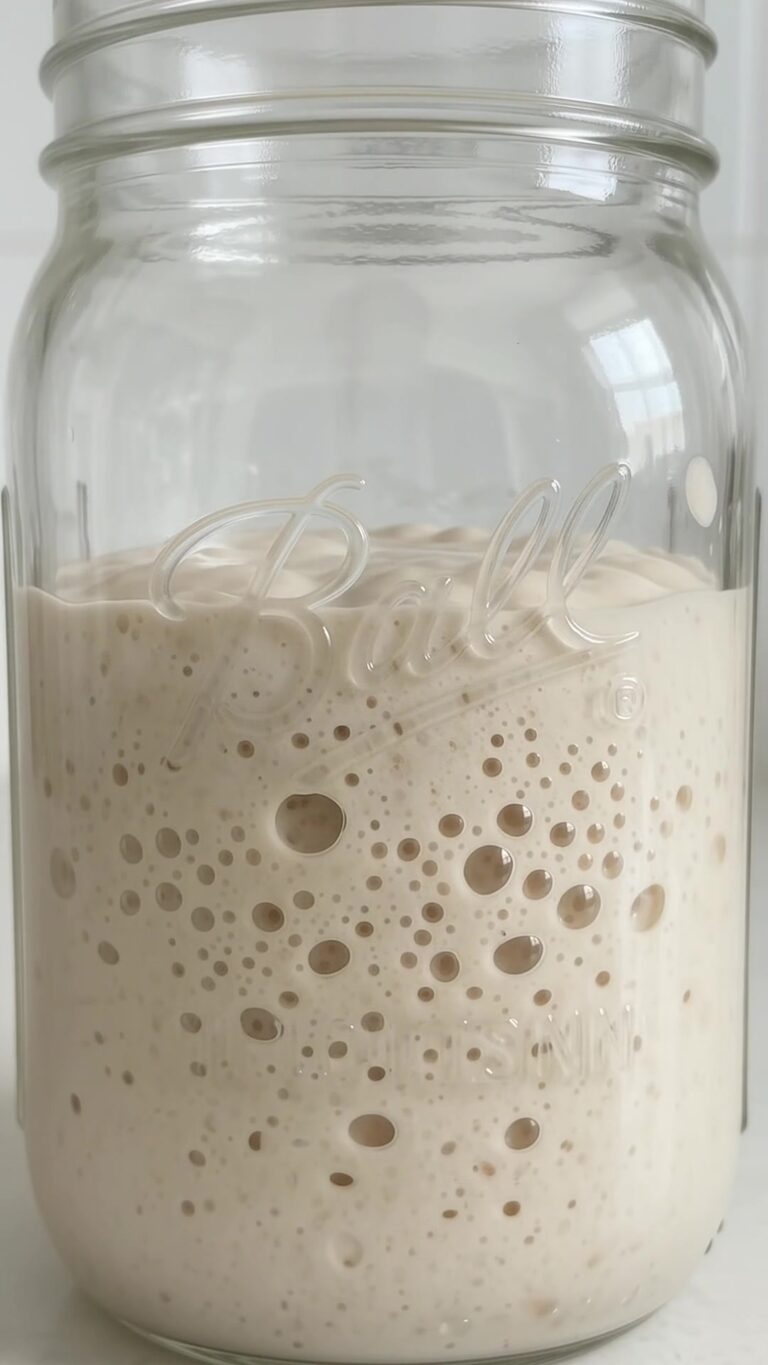
- ½ cup 100%-hydration sourdough discard, about 4 ounces by weight
- ½ cup whole milk
- 2 large eggs
- ⅓ cup neutral oil
- 2 teaspoons vanilla extract
- 1½ cups blueberries, fresh or frozen
For the Crumb Topping
- ¼ cup all-purpose flour
- ¼ cup granulated sugar
- 2 tablespoons cold unsalted butter, diced
- A pinch of cinnamon, optional
Baking Tip: Use discard from an established, healthy starter. Stir it before measuring. Do not use early discard from a brand-new culture or any starter with mold or unusual pink or orange discoloration.
How to Make Sourdough Discard Blueberry Muffins
Step 1: Prepare the Pan and Topping
Heat the oven to 425°F. Line a standard 12-cup muffin pan with paper liners or grease the cups thoroughly. Mix the topping flour, sugar, and optional cinnamon in a small bowl. Rub in the cold butter with your fingertips until small, uneven crumbs form. Refrigerate while you mix the batter.
Rinse fresh blueberries and dry well so excess water does not thin the batter. Keep frozen berries frozen until needed. Thawing them first releases juice that can streak the batter heavily and change its texture.
Step 2: Combine Wet and Dry Ingredients
Whisk the muffin flour, sugar, baking powder, baking soda, and salt in a large bowl. In another bowl, whisk the discard, milk, eggs, oil, and vanilla until evenly combined. Break up any thick pockets of starter so they distribute throughout the batter.
Pour the wet ingredients into the dry mixture. Fold with a spatula just until most of the flour is moistened. A few streaks are fine at this stage because the berries still need to be added. Avoid beating vigorously or chasing a perfectly smooth batter.
Step 3: Fold in Blueberries
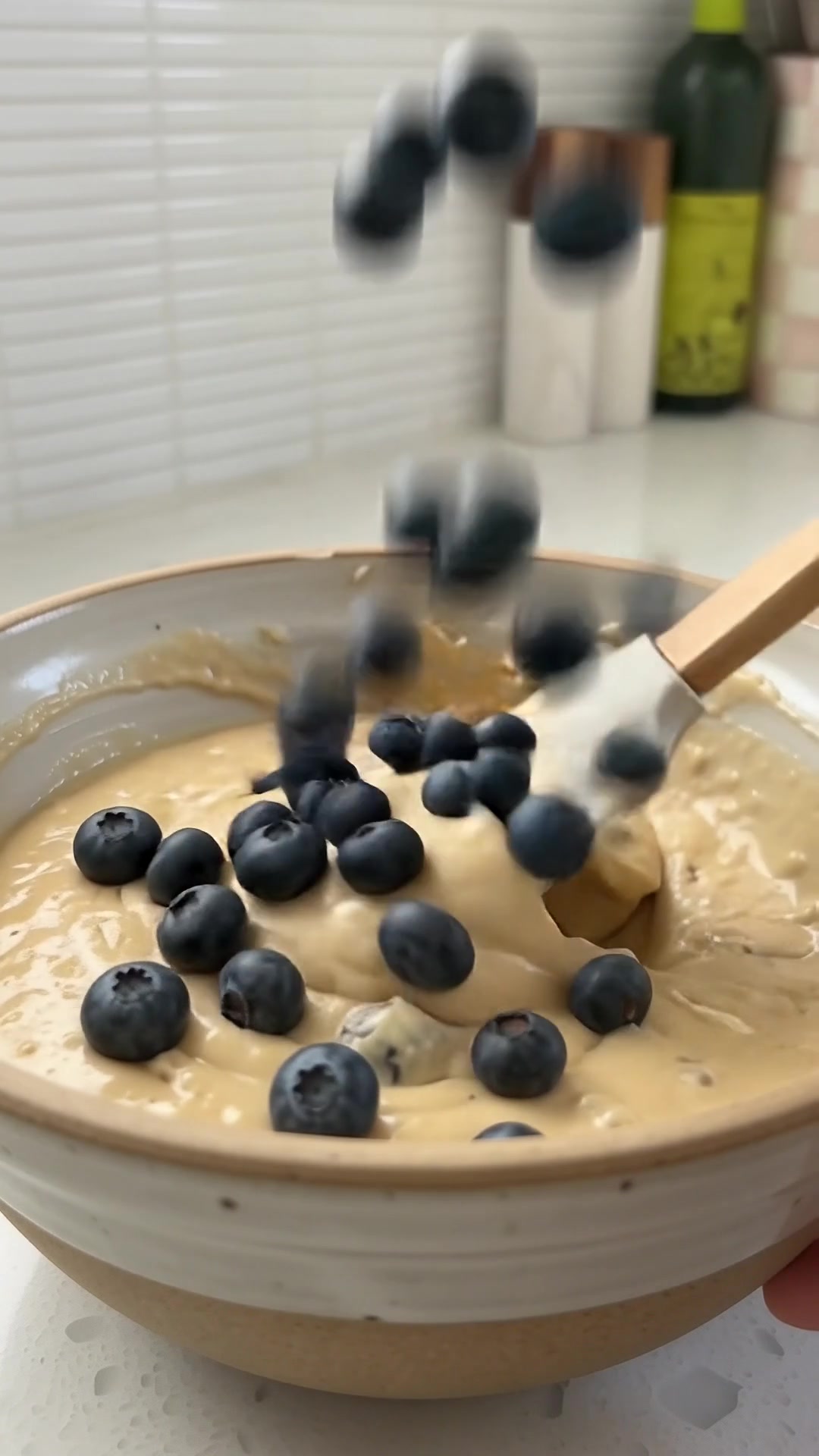
Add the berries and fold gently with a few broad strokes, scraping the bottom of the bowl. Stop as soon as no dry flour pockets remain. The batter should be thick enough to mound from a spoon. If frozen berries tint it slightly, that is normal.
Do not leave the mixed batter standing for a long fermentation. This is a quick muffin method, and the chemical leaveners begin working once wet. Have the oven and pan ready so the batter can bake as soon as it is portioned.
Step 4: Fill and Bake
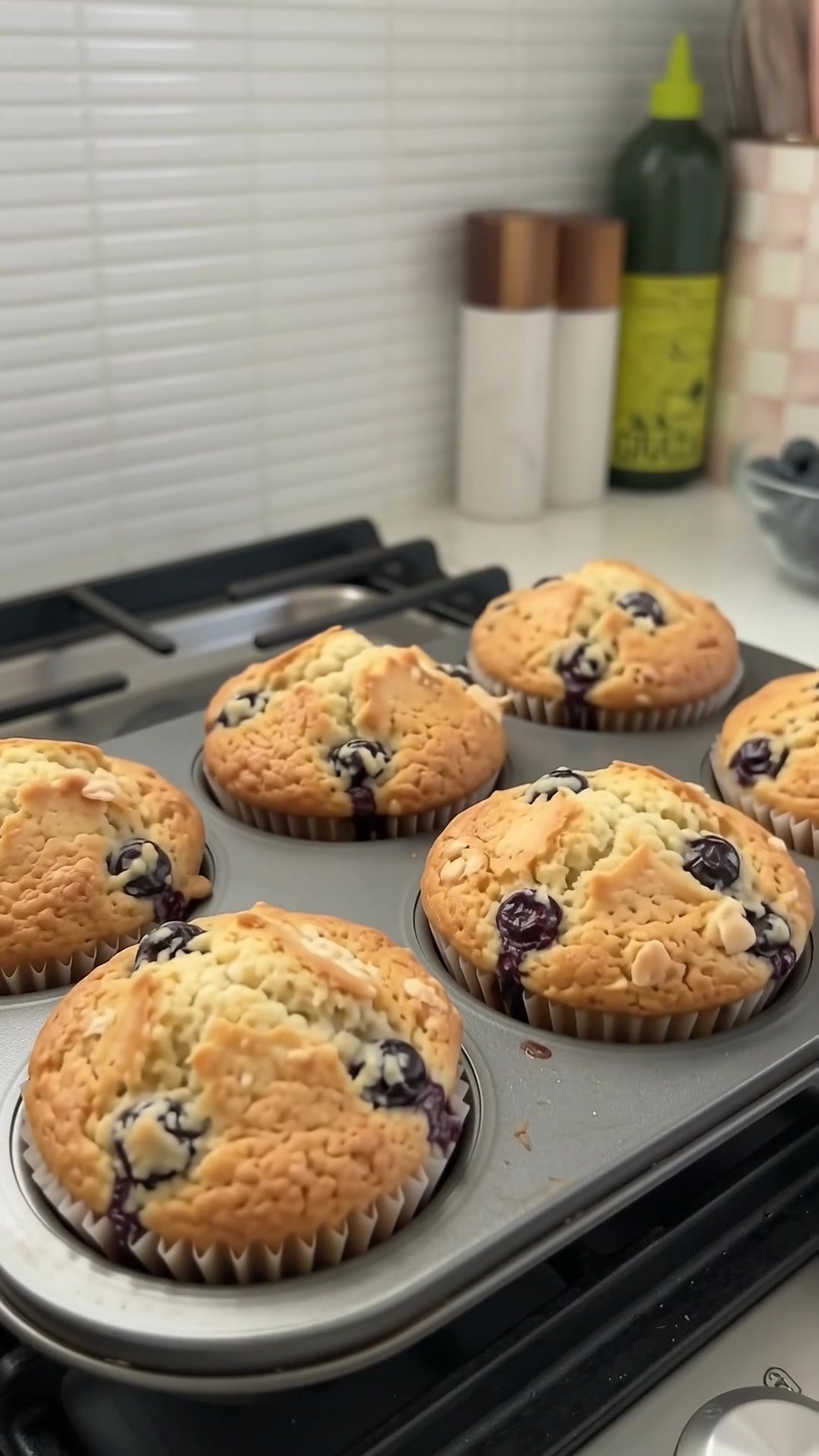
Divide evenly among the 12 cups, filling them about three-quarters full. Scatter the chilled crumb topping over the surface without pressing it down firmly. Bake for 5 minutes at 425°F, then reduce the temperature to 350°F without opening the door.
Continue for 16–20 minutes, until the tops are golden and a skewer inserted into a muffin comes out without raw batter. Aim away from a blueberry, which can leave juicy marks even when the crumb is baked. Frozen berries may add a few minutes to the total time.
Step 5: Cool Before Serving
Rest the muffins in the pan for 5 minutes, then move them to a rack. Let cool another 15 minutes before opening one. The interior sets as it cools, and the berries remain hot longer than the surrounding crumb. Lift carefully so the crumb topping stays in place.
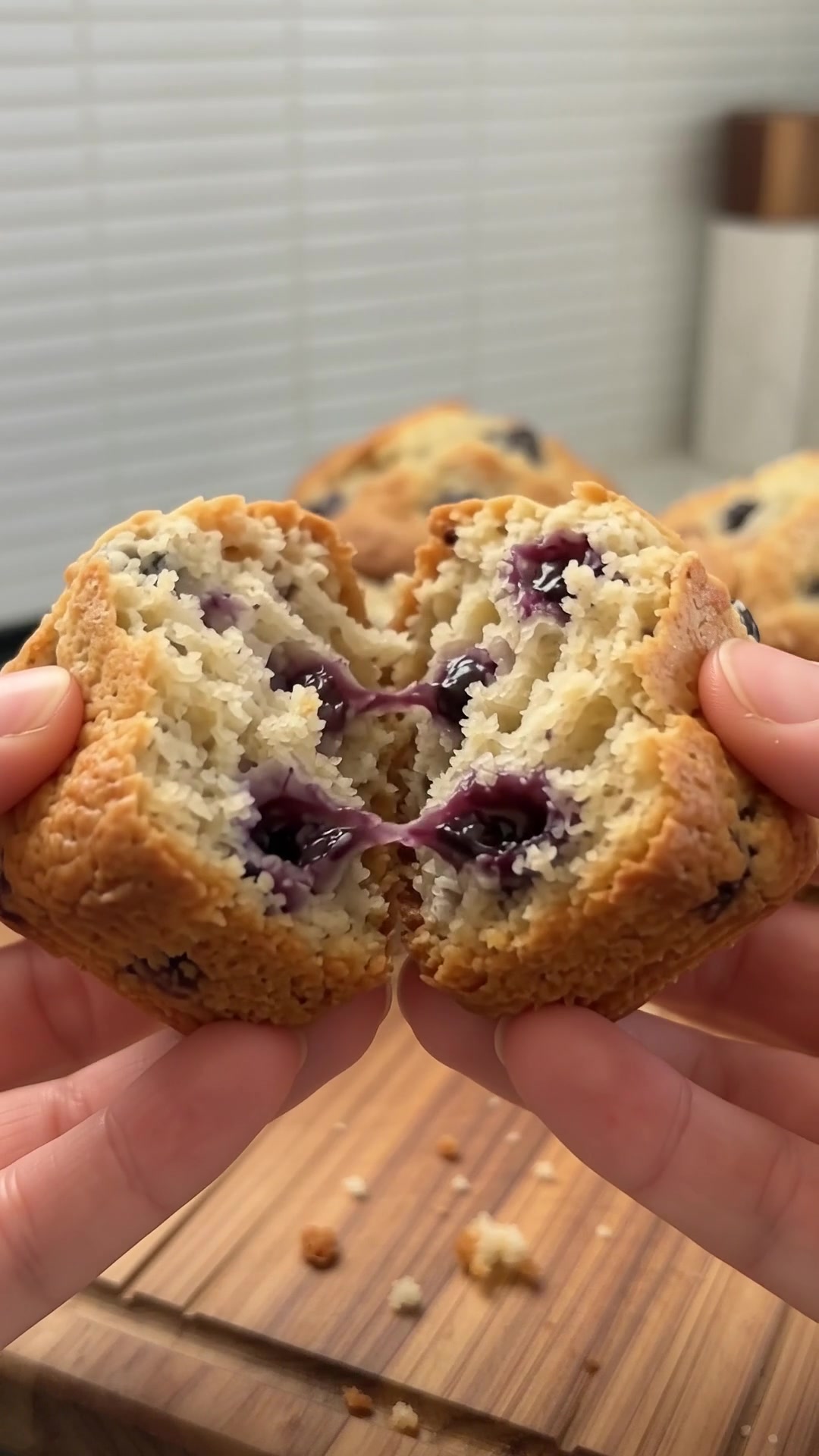
For the cleanest release from paper liners, let the muffins cool fully. Warm muffins sometimes cling to the paper even when properly baked. Serve plain, or split and spread lightly with butter once they are comfortable to handle.
Tips for the Best Muffins
Spoon flour into the measuring cup and level it off. Too much flour makes a dry muffin, while excessive stirring can make it tough. If your discard is unusually thick or thin, refresh it to equal flour and water by weight before using this formula. A very old, sharply acidic discard will produce a stronger flavor than a recently maintained one.
Delicious Variations
Add 1 teaspoon finely grated lemon zest to the wet mixture for a bright blueberry-lemon version. Replace half the berries with raspberries, folding carefully so they do not break up too much. You can omit the crumb topping and sprinkle each muffin with a little coarse sugar instead.
Storage Guidance
Store completely cooled muffins in a covered container at room temperature for up to 2 days, with a paper towel to absorb excess moisture. Refrigerate for up to 5 days if keeping longer. Freeze individually wrapped muffins for up to 2 months. Thaw covered and warm briefly; avoid overheating, which dries the edges.
Short FAQ
Can I use active starter?
Yes, at 100% hydration. Keep the baking powder and soda because they provide the intended quick lift.
Why did the berries sink?
A very thin batter or unusually large berries can contribute. Keep the listed flour and liquid proportions.
Can I make mini muffins?
Yes. Bake at 350°F and begin checking at 10–12 minutes rather than using the high-temperature start.