Crispy Southern Style Fried Rabbit (Cast Iron Recipe)
Crispy Southern Style Fried Rabbit (Cast Iron Recipe)
A Traditional Country Comfort Food Classic
If you love traditional, scratch-made Southern comfort food, pan-fried rabbit is a rustic delicacy that deserves a spot at your dinner table. Much like classic fried chicken, a properly fried rabbit offers a wonderful contrast between a crunchy, well-seasoned outer crust and tender, juicy meat on the inside.
Cooking rabbit in a heavy cast-iron skillet is the traditional method for a reason. Cast iron retains and distributes heat evenly, allowing the coating to turn a deep golden-brown while ensuring the meat cooks completely through without drying out. Because rabbit is lean and delicate, using a simple seasoned flour dredge helps lock in its natural moisture.
Whether you hunt your own game or source it fresh from a local market, pan-frying is one of the absolute best ways to prepare rabbit. Paired with a hot cast-iron pan and classic country seasonings, it is a rewarding throwback meal that tastes like pure tradition.
Why You’ll Love This Recipe
-
Crispy Golden Crust: A simple seasoned flour dredge creates a light, shatteringly crisp exterior that clings beautifully to the meat.
-
Cast-Iron Perfection: Frying in a seasoned cast-iron skillet yields an authentic, rustic flavor and unbeatable heat retention.
-
Tender and Juicy: Pan-frying on medium heat prevents the lean meat from becoming tough or dry.
-
Simple Ingredients: It relies entirely on basic pantry flour and everyday spices to let the natural flavor of the meat shine.
-
True Country Comfort: It brings a traditional, old-school hunting camp or farmhouse favorite straight to your home kitchen.
Ingredients
-
Rabbit: 1 whole rabbit, cut into standard serving pieces (legs, loin sections, and shoulders).
-
Flour: 2 cups all-purpose flour (for dredging).
-
Seasonings: 1 tbsp salt, 1 tbsp black pepper, 1 tbsp garlic powder, 1 tbsp onion powder, and 1 tbsp paprika.
-
Frying Fat: Shortening, lard, or high-smoke-point vegetable oil (enough for shallow frying in your skillet).
Step-by-Step Instructions
Step 1: Prep and Season the Flour
In a wide, shallow dish, combine the 2 cups of all-purpose flour with the salt, black pepper, garlic powder, onion powder, and paprika. Whisk the dry ingredients thoroughly so the spices are evenly distributed throughout the flour.
Step 2: Heat the Skillet
Place a large, heavy cast-iron skillet on the stove over medium heat. Add your frying fat (such as shortening or oil) until it is about an inch deep. Let the fat heat up until it sizzles aggressively when a pinch of flour is dropped inside.
Step 3: Dredge the Rabbit
Pat your rabbit pieces dry with a paper towel. Take each piece and press it firmly into the seasoned flour mixture, ensuring every curve and crevice is fully coated. Shake off any excess flour so the coating doesn’t clump up in the pan.
Step 4: Fry the Rabbit
Carefully place the floured rabbit pieces into the hot cast-iron skillet, working in batches if necessary to avoid overcrowding. Let them fry undisturbed for a few minutes until the bottom crust sets and turns golden-brown.
Step 5: Cook Through and Crisp
Turn the pieces over and continue frying, adjusting your heat to medium so the exterior doesn’t burn before the meat is cooked through. The total cooking time will depend on the size of the pieces, typically taking around 20 to 25 minutes.
Step 6: Drain and Serve
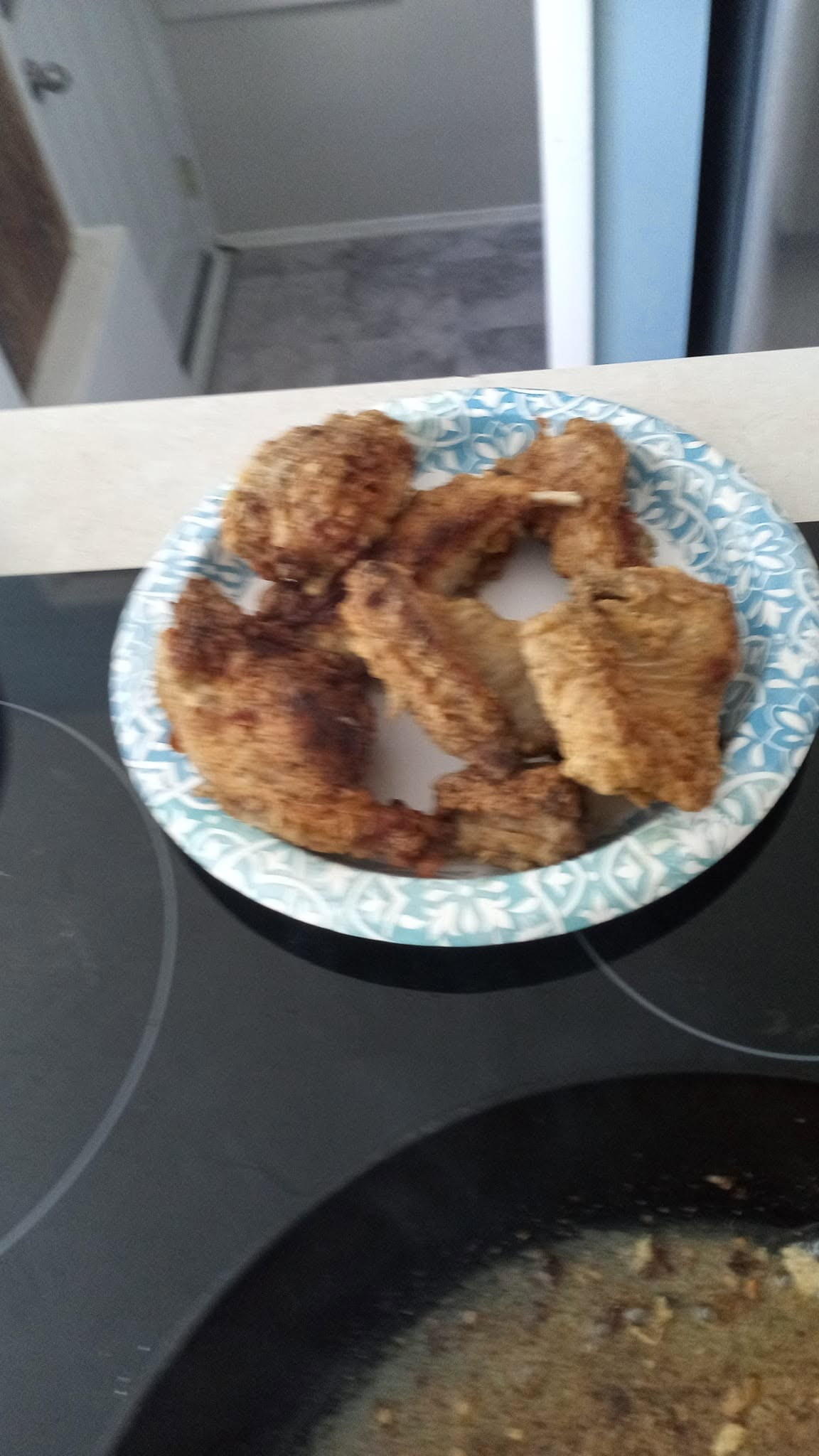
Once the rabbit pieces are deeply golden, crispy, and cooked through, use tongs to remove them from the skillet. Transfer them to a paper towel-lined plate or a wire cooling rack to drain excess fat. Serve warm!
Expert Cooking Tips
-
Watch the Heat: Rabbit meat is much leaner than chicken. If your stove heat is too high, the flour will burn before the meat cooks; keep it at a steady medium heat.
-
Pat the Meat Dry: Always dry your rabbit pieces with a paper towel before dredging them in flour to ensure the coating adheres properly.
-
Don’t Overcrowd: Fry your pieces in a single layer with space between them. Crowding drops the oil temperature and makes the crust soggy.
-
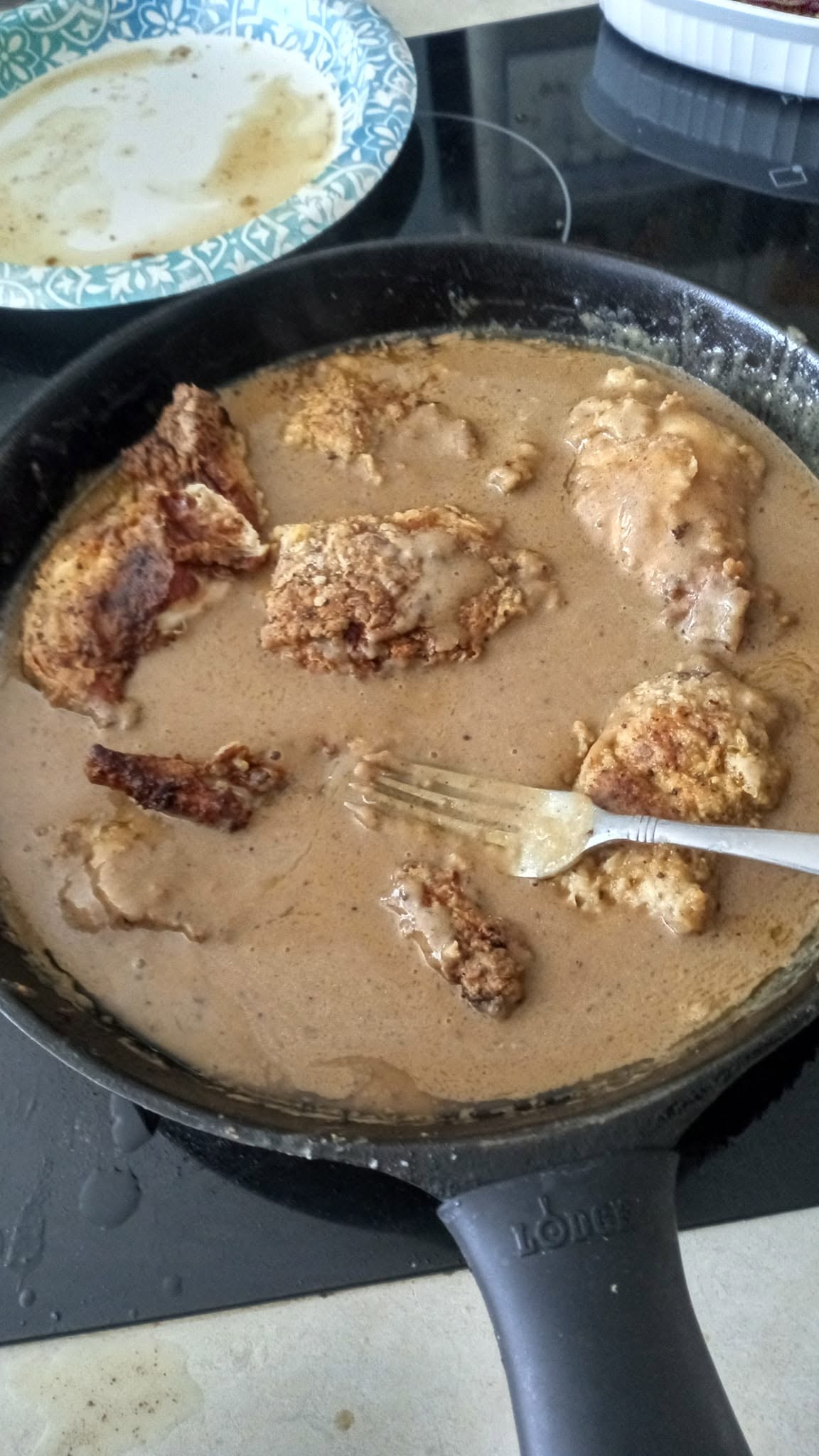
Utilize Pan Drippings: The leftover browned bits and fat in your cast-iron skillet can be used to whip up a rich country cream gravy to pour over your meal.
Variations to Try
-
Buttermilk Soak: Soak your rabbit pieces in seasoned buttermilk for 2 to 4 hours before dredging in flour for an even more tender bite.
-
Spicy Kick: Add a teaspoon of cayenne pepper or crushed red pepper flakes to the seasoned flour mixture for a subtle heat.
-
Herb Crust: Mix a tablespoon of dried thyme or sage into the flour dredge for an earthy, aromatic flavor profile.
What to Serve With Fried Rabbit
Fried rabbit pairs wonderfully with classic, hearty Southern side dishes. Serve it alongside a big bowl of creamy mashed potatoes, country gravy, and a side of Southern tater salad. Add some sweet milk boiled corn on the cob or a batch of hot buttermilk biscuits to round out the meal.
Storage & Reheating
Refrigerator
Store leftover fried rabbit in an airtight container in the refrigerator for up to 3 days.
Freezer
You can freeze cooked fried rabbit for up to 2 months by wrapping individual pieces tightly in foil and placing them in a freezer-safe bag. Thaw overnight in the fridge before reheating.
Reheating
To keep the crust crispy, reheat leftover pieces on a wire rack set over a baking sheet in a 375°F (190°C) oven for about 10 to 15 minutes until heated through.
Frequently Asked Questions
Does rabbit taste like chicken?
Rabbit is often described as tasting very similar to chicken, though it is slightly leaner, sweeter, and denser in texture. Because of its mild flavor, it takes on seasonings and breading exceptionally well.
Do I need to soak rabbit in milk or buttermilk before frying?
While not strictly required (as shown in this simple pan-fry method), soaking rabbit in buttermilk helps tenderize the lean meat and ensures the flour coating sticks tightly.
How do I know when fried rabbit is done?
The best way to check for doneness is with a digital meat thermometer. The thickest part of the meat should reach an internal temperature of 160°F (71°C) to 165°F (74°C).
Why is my fried rabbit tough?
Rabbit meat is very low in fat, meaning it can easily dry out and toughen up if it is cooked at too high of a temperature or for too long. Cooking it on a steady medium heat in a heavy cast-iron skillet helps prevent this.
Final Thoughts
Bringing a traditional country dish like crispy fried rabbit to your dinner table is a rewarding experience. By utilizing a simple seasoned flour dredge and the steady, reliable heat of a cast-iron skillet, you can achieve an incredible golden crust and tender meat. Grab your skillet and give this classic recipe a try!
Crispy Southern Style Fried Rabbit
A traditional country recipe for crispy pan-fried rabbit cooked in a heavy cast-iron skillet with a seasoned flour coating.
Ingredients
Method
- Prep Flour: In a shallow dish, whisk together the all-purpose flour, salt, pepper, garlic powder, onion powder, and paprika.
- Heat Fat: Melt shortening or add oil to a heavy cast-iron skillet over medium heat (about 1 inch deep). Heat until hot and sizzling.
- Dredge: Pat the rabbit pieces dry with paper towels, then press them firmly into the seasoned flour mixture to coat evenly. Shake off excess.
- Fry: Carefully place the rabbit pieces into the hot skillet. Fry for 20-25 minutes, turning occasionally, until the crust is deeply golden-brown and the meat is cooked through.
- Drain and Serve: Remove from the skillet with tongs and let drain on a paper towel-lined plate before serving warm.
Notes
Heat Control: Keep your skillet on a steady medium heat so the flour doesn't burn before the interior meat cooks through.