
Soft Homemade Flatbread (Easy Stovetop Recipe)
Soft homemade flatbread is best straight from the skillet, with little golden spots on the outside and a tender center that folds easily around your favorite fillings. This dough makes eight rounds with everyday pantry ingredients. Serve them warm with dinner, fold them around scrambled eggs, or set out a stack with hummus and roasted vegetables.
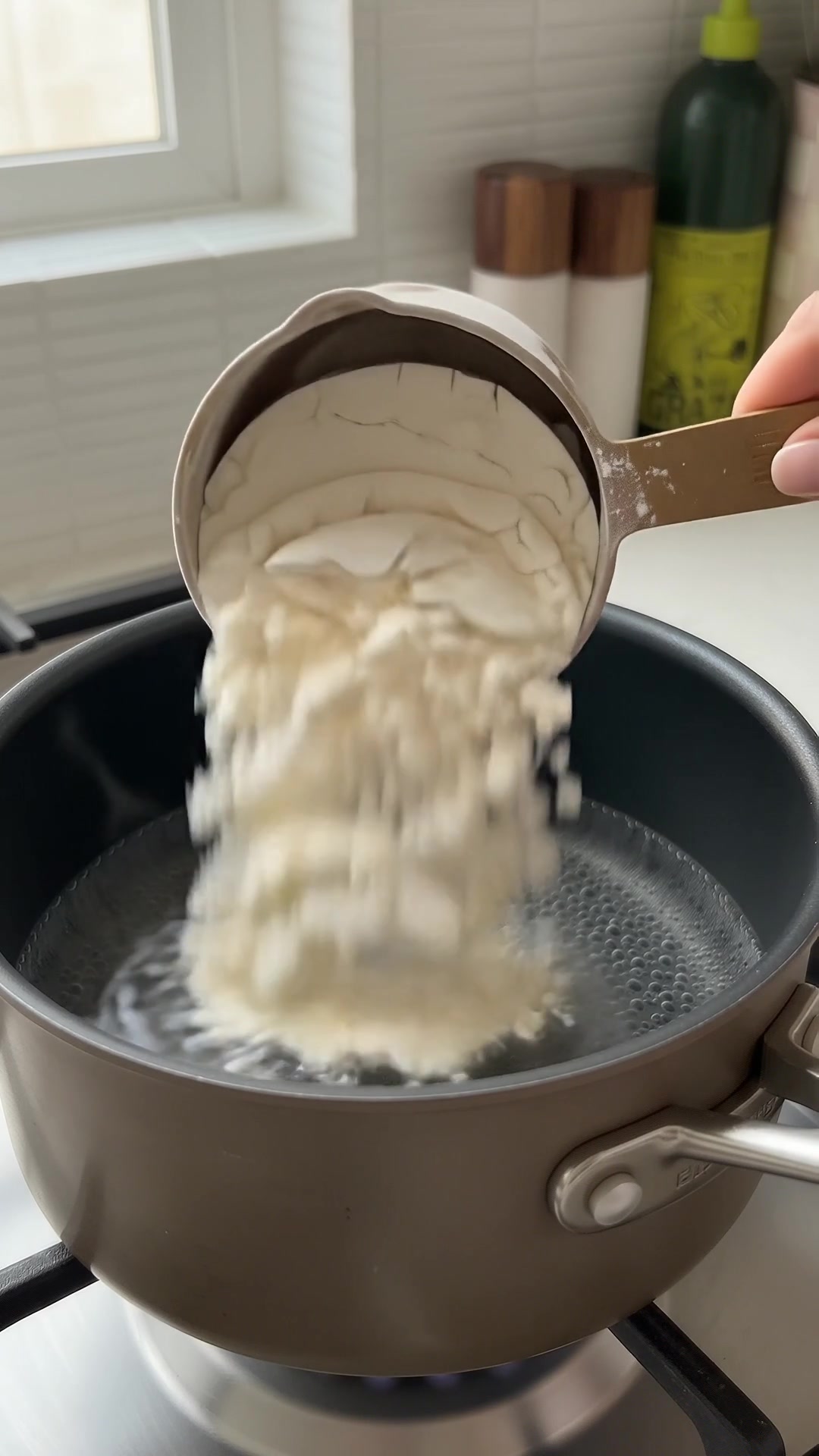
The dough starts with a simple step. Stir a portion of the flour into simmering water until it forms a thick paste. The cooked flour helps hold moisture in the dough, which gives the finished bread its soft texture. Once the paste cools, mix in the remaining ingredients, let the dough rest and cook the rounds in a dry skillet.
Ingredients for soft homemade flatbread
For eight flatbreads, you’ll need 1 cup of water and 2½ cups of all-purpose flour, plus a little extra flour for rolling. Use ½ cup of the flour for the cooked paste and save the remaining 2 cups for the dough. You’ll also need 1 teaspoon each of salt and sugar and 2 tablespoons of olive oil.
The recipe gives you the option to add 1 teaspoon of instant yeast for a slightly puffier bread and ¼ cup of plain yogurt for extra tenderness. Cool the flour paste to lukewarm before adding the yeast. If you use yogurt, the dough may feel a little stickier as you knead. A light dusting of flour on your hands or work surface usually helps keep it manageable.
How to make soft homemade flatbread
1. Cook the flour paste
Bring the water to a simmer in a small saucepan. Stir in ½ cup of the flour, mixing until it forms a thick paste. Take the pan off the heat and stir through any large lumps. Let the paste cool for about 10 minutes. If you plan to add yeast and the paste still feels hot, give it a little longer to reach lukewarm.
2. Mix and knead the dough
Stir the salt, sugar, olive oil and any optional yeast or yogurt into the cooled paste. Add the remaining 2 cups of flour and mix until a dough forms. Knead for 5 to 7 minutes, until it feels smooth and slightly tacky. The dough should stay soft. If it clings heavily to your hands, begin with a light dusting of flour and see how it feels before adding more.
3. Rest the dough and roll the rounds
Cover the dough and let it rest for 30 minutes, or up to an hour if you’ve added yeast. The rest makes the dough easier to roll and gives you time to clear a space next to the stove for a plate and clean towel.
Divide the dough into eight equal pieces and shape each one into a ball. Roll each ball on a lightly floured surface into a thin round about 7 to 8 inches across. Keep the other dough balls covered as you work. If a round keeps shrinking after each pass of the rolling pin, cover it and give it another five minutes to relax.
4. Cook in a dry skillet
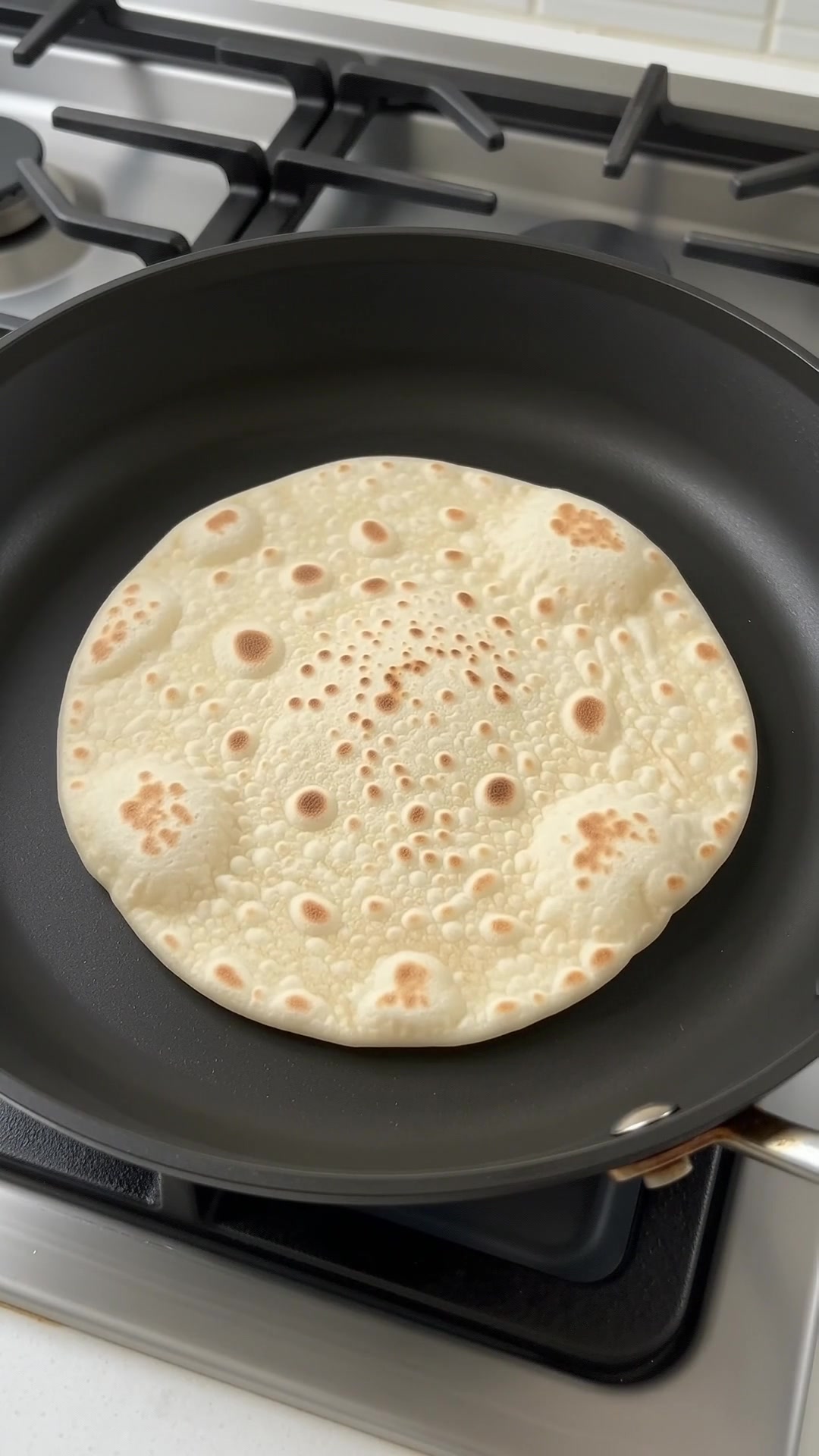
Heat a dry cast-iron or nonstick skillet over medium-high heat. Lay one round flat in the pan and cook it for 1 to 2 minutes. Look for bubbles on top and golden spots underneath. Flip it and cook for about another minute. Some parts of each round will brown faster than others, so check the dough between the bubbles as well as the color of the raised spots.
5. Stack the flatbreads under a towel
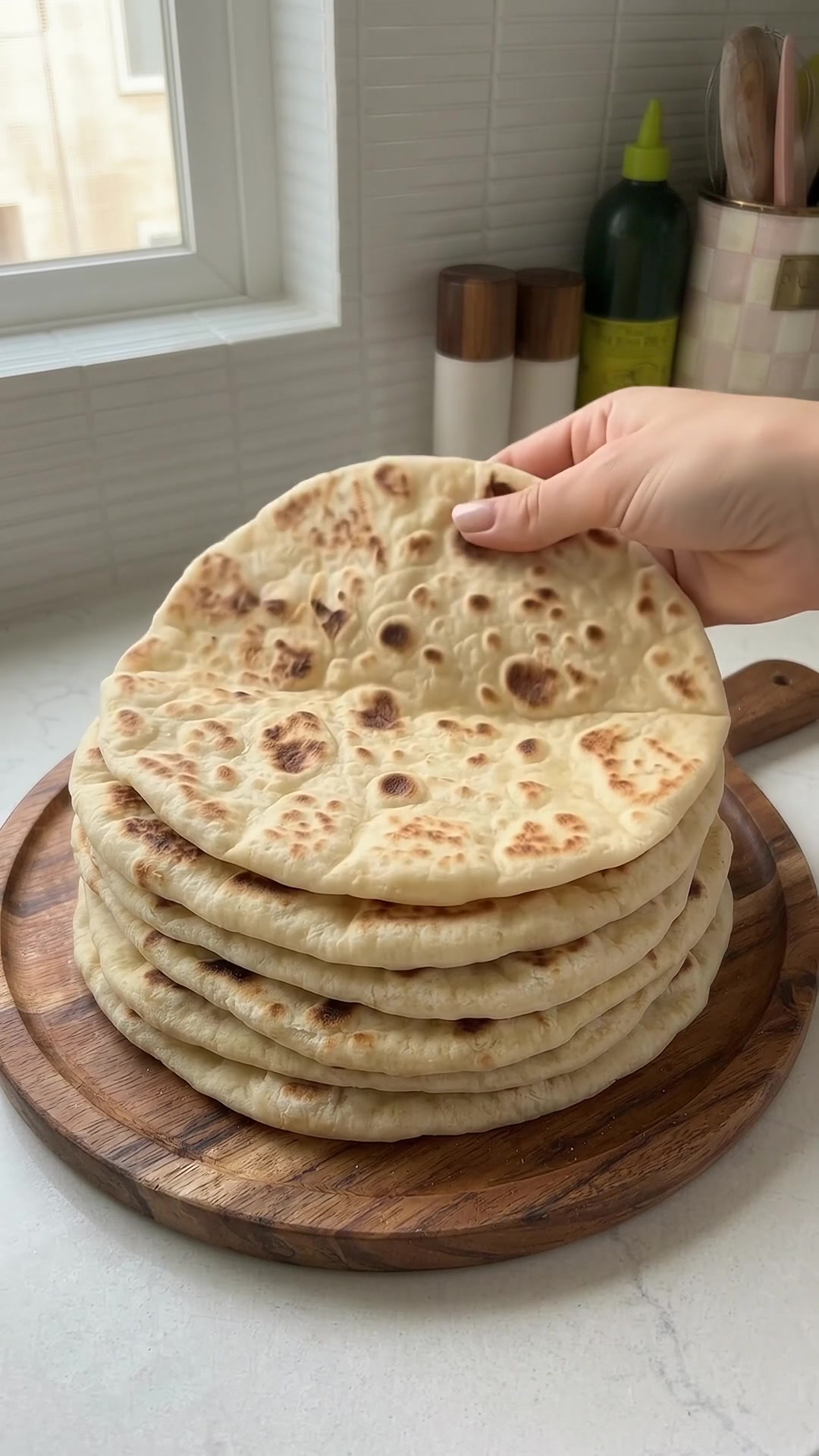
Move each cooked round to a plate and cover the stack with a clean kitchen towel while you finish the batch. The towel traps enough warmth and moisture to help the breads stay flexible. Serve them warm, or brush the tops with a little melted butter or garlic oil just before bringing them to the table.
Tips for soft, flexible flatbread
Keep a light hand with the flour when you roll out the dough. Too much can make the bread stiff, and flour left on the surface of the rounds can collect in the skillet and darken as you cook. Brush off any loose flour before each round goes into the pan. If you see dark marks before the dough has time to bubble, turn down the heat slightly for the next round.
Serving and storing flatbread
Serve these with grilled chicken, kebabs, lentil soup or a bowl of hummus. A warm round also makes an easy wrap for scrambled eggs or leftover roasted vegetables. For a simple side, brush a flatbread with olive oil and dust it with chopped herbs.
Let leftovers cool before sealing them in an airtight bag. Keep them at room temperature for up to two days and warm them briefly in a dry skillet before serving. For longer storage, freeze the cooled rounds in a freezer-safe bag with parchment between them so you can pull out one or two at a time.
Frequently asked questions
Will flatbread bubble without yeast?
Yes. The heat of the skillet can still create bubbles in the dough. The yeast version may puff a little more. Watch for golden spots on the underside before flipping either version.
Can I make the dough without yogurt?
Yes. The flour paste and olive oil help keep the bread tender. Follow the same rolling and cooking directions if you leave out the optional yogurt.
Printable recipe
Ingredients
Method
- Bring the water to a simmer. Stir in 1/2 cup of the flour to form a thick paste. Remove from heat and cool for about 10 minutes, until lukewarm if using yeast.
- Stir in the salt, sugar, optional yeast, olive oil and optional yogurt. Add the remaining 2 cups of flour and knead for 5–7 minutes, until smooth and slightly tacky.
- Cover and rest for 30 minutes, or up to 1 hour if using yeast.
- Divide into 8 balls. Roll each on a floured surface into a 7- to 8-inch round.
- Heat a dry skillet over medium-high heat. Cook each flatbread for 1–2 minutes, until bubbles and golden spots appear. Flip and cook for 1 minute more. Cooking the whole batch takes 16–24 minutes.
- Stack the flatbreads under a clean towel and serve warm.