Old-Fashioned Butter Swim Biscuits – Fluffy Cast Iron Skillet Biscuits
Old-Fashioned Butter Swim Biscuits – Fluffy Cast Iron Skillet Biscuits
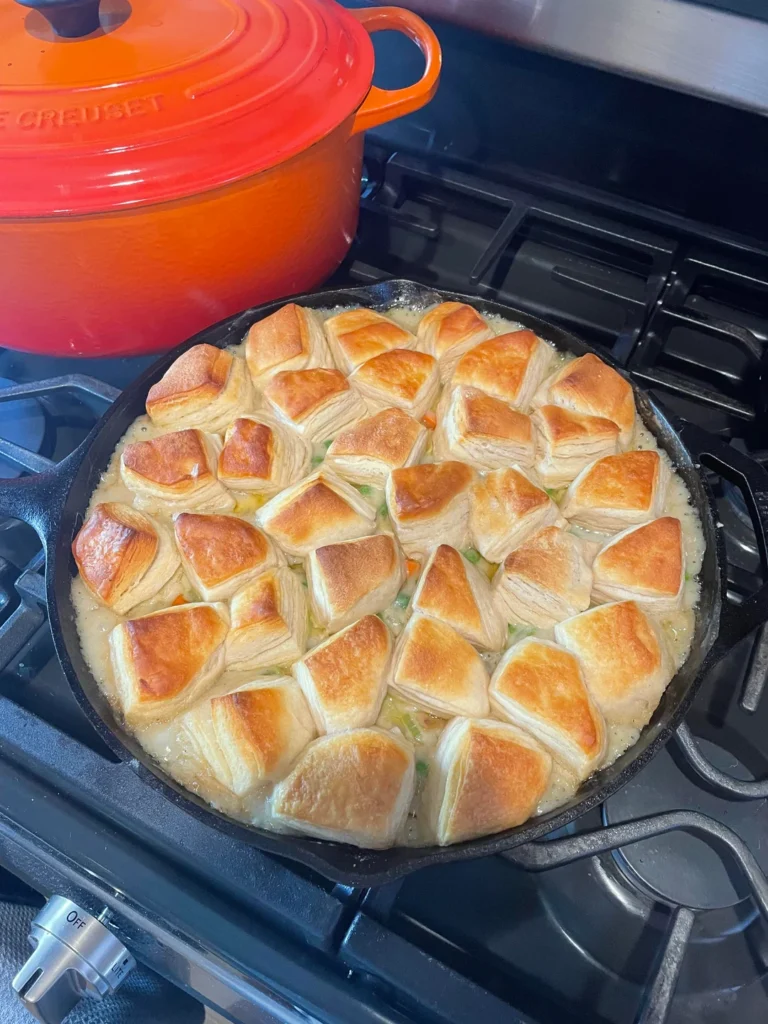
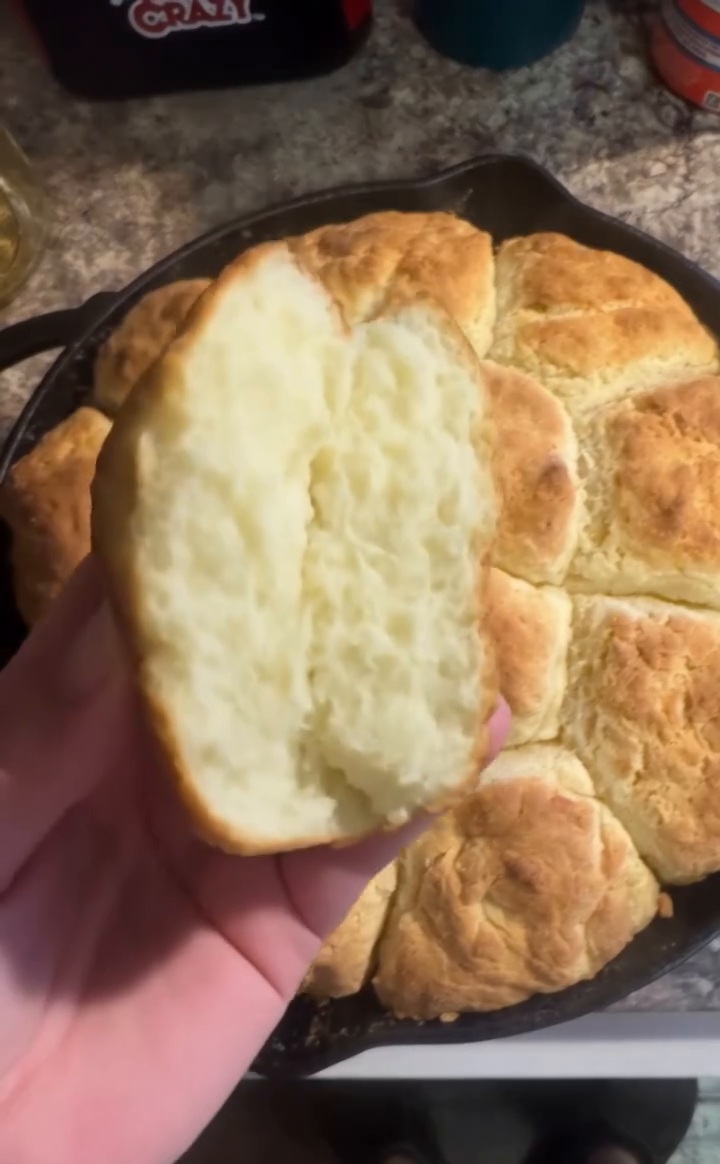
Old-Fashioned Butter Swim Biscuits bring golden, buttery edges and soft, fluffy centers to the table without yeast or rising time. A generous layer of melted butter surrounds the biscuits as they bake in a cast-iron skillet, giving the bottoms a rich crust and making each warm biscuit especially satisfying.
This version uses individual hand-shaped dough balls instead of the wet, spread-in-the-pan dough common in other butter swim recipes. Handle the dough gently, nestle the portions close together, and bake until golden. They’re delicious with jam at breakfast, honey for an afternoon treat, or gravy alongside a comforting Southern meal.
Recipe Information
- Prep: 15 minutes
- Cook: 20–25 minutes
- Total: 35–40 minutes
- Yield: 10–12 biscuits
- Course: Bread, breakfast, or side dish
- Cuisine: Southern American
- Difficulty: Easy
- Equipment: 10-inch cast-iron skillet
Ingredients
For the Biscuit Dough
- 3 cups (375 g) all-purpose flour
- 1 tablespoon baking powder
- 1 tablespoon granulated sugar
- 1 teaspoon salt
- ½ teaspoon baking soda
- 1¼ cups (300 ml) cold buttermilk
- ¼ cup (57 g) unsalted butter, melted and slightly cooled
For the Skillet
- ½ cup (113 g) unsalted butter, melted
Optional Topping
- 2 tablespoons melted butter
- 1 tablespoon honey
How to Make Butter Swim Biscuits
Step 1: Preheat and Mix the Dry Ingredients
Preheat the oven to 425°F (220°C). Set a 10-inch cast-iron skillet on a heat-safe surface; there’s no need to preheat it. In a large mixing bowl, whisk together the flour, baking powder, sugar, salt, and baking soda until evenly distributed. Breaking up any small clumps helps distribute the leavening throughout the dough.
Step 2: Add the Buttermilk and Butter
Pour the cold buttermilk and ¼ cup melted, slightly cooled butter into the dry ingredients. Stir gently with a wooden spoon or sturdy spatula just until a soft dough forms. It should be slightly sticky but manageable. If dry, add another tablespoon of buttermilk. If too sticky to shape, sprinkle in a little extra flour, keeping adjustments small.
Step 3: Shape Gently
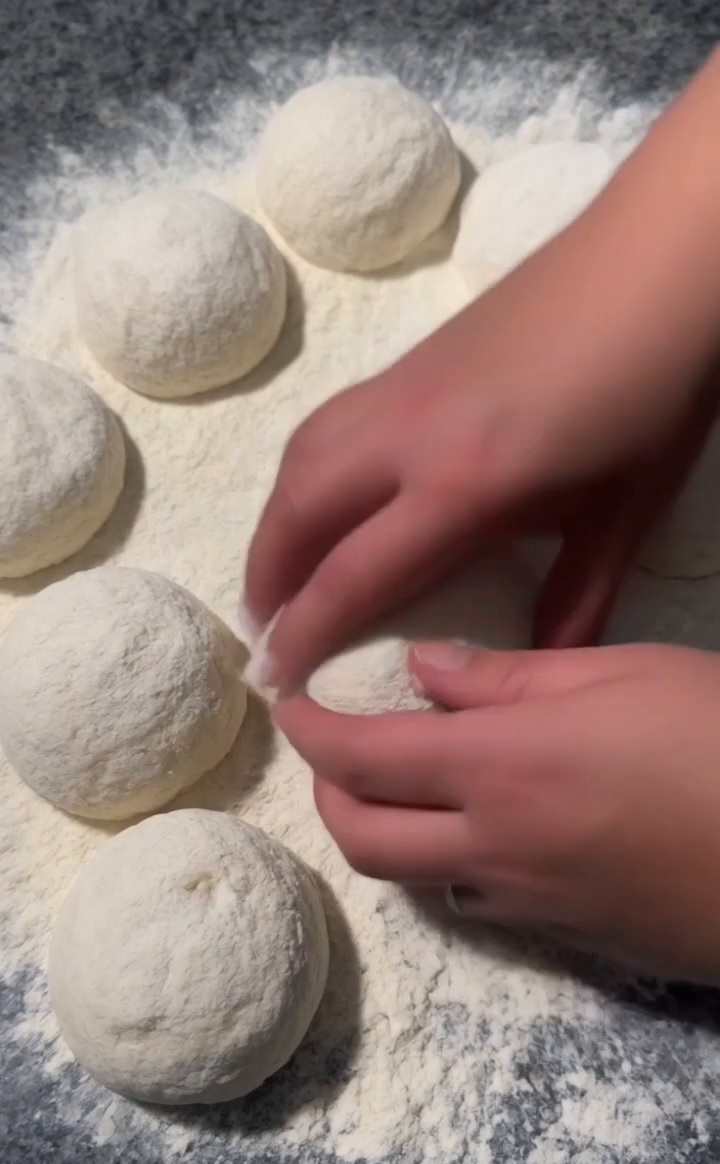
Lightly flour a clean work surface and transfer the dough onto it. Divide into 10–12 approximately equal portions. With lightly floured hands, gently shape each into a round ball. Avoid kneading repeatedly or packing the portions tightly. The aim is to bring each piece together with as little handling as possible.
Step 4: Arrange in the Butter
Pour the remaining ½ cup melted butter into the skillet and tilt gently to coat the bottom. Place the shaped dough balls in the butter, arranging them close together in a circular pattern with a little space to expand. They can lightly touch. Evenly sized portions help the centers finish baking at the same time.
Step 5: Bake Until Golden
Transfer the skillet to the preheated oven. Bake for 20–25 minutes, until the biscuits are puffed, golden on top, and cooked through. Check a center biscuit for doughiness rather than relying only on the outer edges. If the tops brown too quickly, loosely cover with foil during the final minutes.
Step 6: Finish and Serve
Carefully remove the hot skillet using oven mitts. Brush with the optional 2 tablespoons melted butter, or mix that butter with 1 tablespoon honey for a sweeter finish. Rest for about 5 minutes, then gently pull apart and serve warm. Remember that the cast-iron handle stays hot after baking.
Tips for Tender Skillet Biscuits
- Measure flour lightly: Spoon it into the cup and level off; packed flour can make the dough dry.
- Use cold buttermilk: Keep it refrigerated until you’re ready to mix.
- Stop mixing early: Stir only until combined to avoid tough biscuits.
- Shape with a light touch: Compressing the dough firmly can make the finished centers dense.
- Check your leavening: Fresh baking powder helps the biscuits rise properly.
Serving Ideas and Variations
Serve with scrambled eggs, bacon, or sausage for breakfast. For dinner, pair with fried chicken, pot roast, soup, or stew. Honey, strawberry jam, and sausage gravy are all welcome additions.
For cheddar biscuits, fold 1 cup freshly shredded sharp cheddar into the dough. For a garlic version, add ½ teaspoon garlic powder to the dry ingredients. An herb variation can include 1 teaspoon dried Italian seasoning or finely chopped fresh rosemary.
Storage and Reheating
Cool the biscuits completely before storing airtight at room temperature for up to 2 days, or refrigerate in a sealed container for up to 4 days. For longer storage, wrap individual cooled biscuits and freeze in a freezer-safe bag for up to 2 months.
Reheat on a baking sheet at 350°F (175°C) for approximately 8–10 minutes, until warm. Frozen biscuits may need more time. Brush with a little melted butter before serving if desired.
Frequently Asked Questions
What are butter swim biscuits?
They’re biscuits baked in melted butter, which creates a flavorful crust. This variation uses hand-shaped portions in a cast-iron skillet.
Can I substitute for buttermilk?
Yes. Add 1¼ tablespoons white vinegar or lemon juice to a measuring cup, then add milk to reach 1¼ cups. Let stand for 5–10 minutes before using.
Can I use a baking dish instead?
A 9-inch round baking dish or similar oven-safe pan can work. Baking times may vary, so check the centers for doneness.
Why are my biscuits dense?
Overmixing, excessive handling, too much flour, or expired baking powder can cause dense biscuits. Keep the dough soft and handle gently.