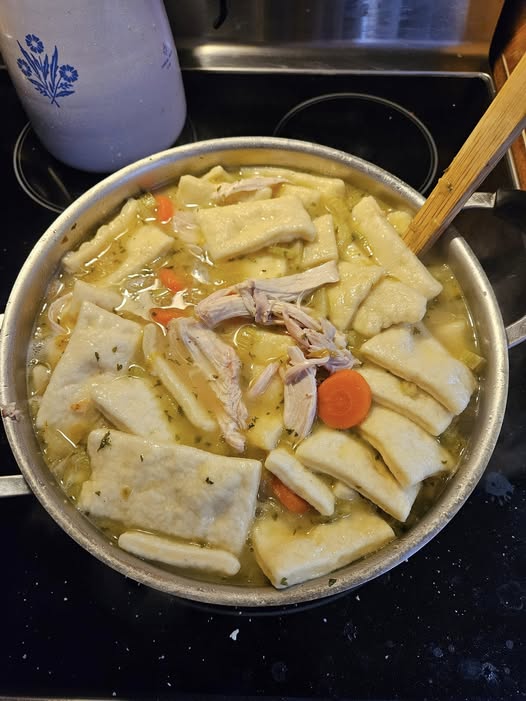
Crispy Meat-Stuffed Cabbage Pockets
Tender cabbage leaves wrap a savory beef-and-rice filling, then receive a light egg coating and a quick pan-fry for golden, crisp edges.
These cabbage pockets bring the comforting combination of cabbage, meat, and rice to the skillet in a flatter, crisp-edged form. They are a practical variation on stuffed cabbage rather than a claim to one traditional Polish preparation. The beef is cooked before filling, which makes the final frying step about browning the outside and heating the center. Blanching the leaves first helps them fold without tearing. Serve the pockets while their surface is fresh from the pan, with sour cream or a garlic dip if you like.
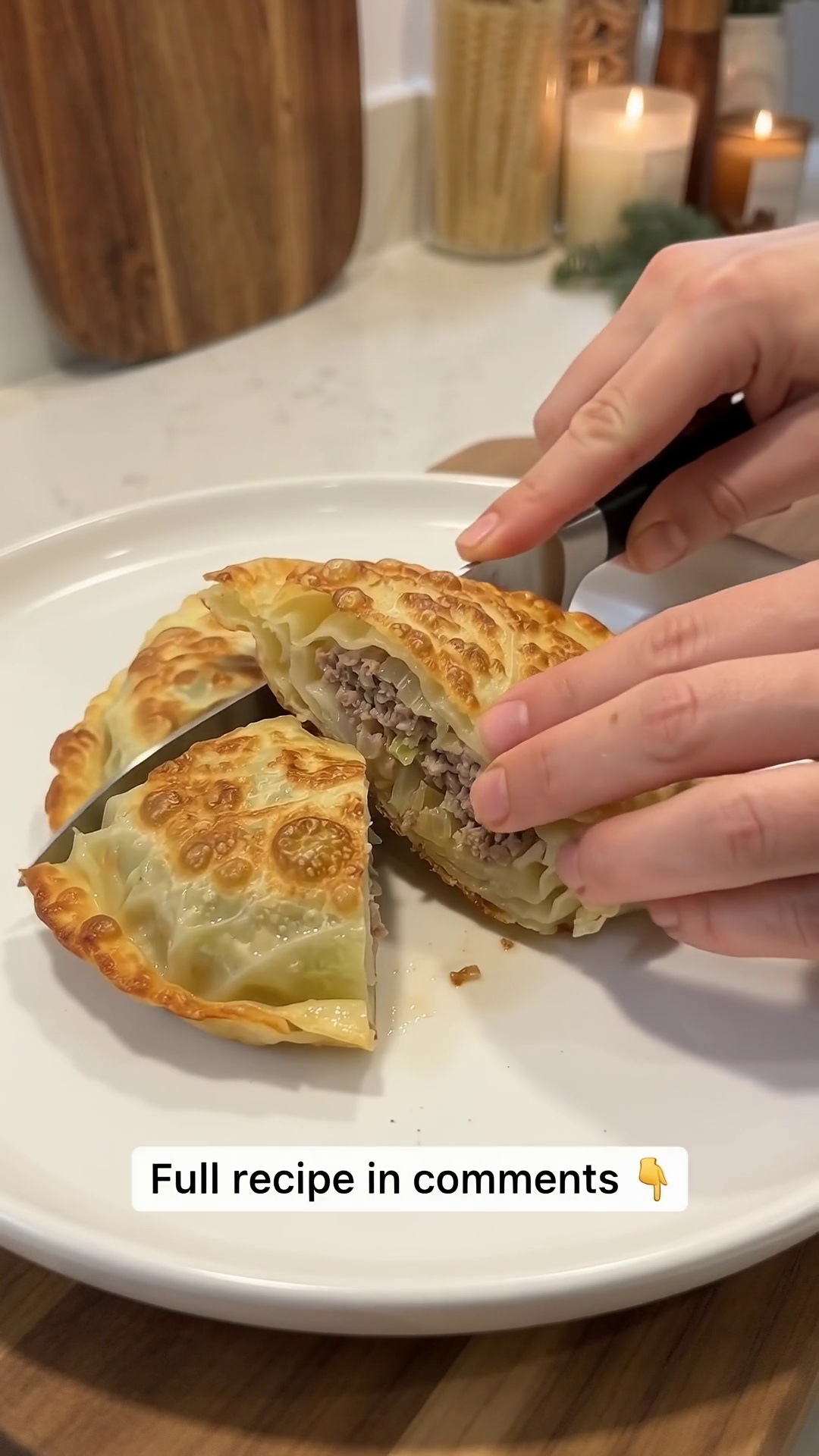
Why You’ll Love This Recipe
- Cooked beef filling takes the guesswork out of the final pan-fry.
- Blanched leaves fold neatly around rice and onion.
- The listed egg becomes a light exterior coating.
- Eight pockets make four generous servings.
Recipe Details
Serves 4, making 8 pockets. Prep: about 20 minutes. Cook: about 25–35 minutes, depending on skillet size and batches. Total: about 45–55 minutes. Stovetop: medium heat for frying; no oven needed.
Ingredients
- 8 large green cabbage leaves
- 1 pound ground beef
- 1 small onion, finely chopped
- 2 garlic cloves, minced
- 1 cup cooked white rice
- 1 egg
- 1 teaspoon paprika
- 1 teaspoon salt
- ½ teaspoon black pepper
- 2 tablespoons butter or vegetable oil, for frying
Choose broad, intact leaves with enough room to fold over the filling. The rice measurement refers to cooked rice, not dry grains. A small, even dice on the onion helps it distribute without creating bulky corners. Keep the listed frying fat separate from the filling; a nonstick skillet makes it easier to brown the beef without adding another ingredient.
Numbered Instructions
- Soften and dry the leaves. Bring a pot of lightly salted water to a boil. Blanch the cabbage leaves for 3–4 minutes, until flexible. Drain carefully, spread them out, and pat dry. Trim the raised portion of each thick rib without cutting through the leaf.
- Cook the filling. Brown the ground beef and onion in a skillet, breaking the meat into small pieces. Stir in the garlic, paprika, salt, and pepper. Cook the beef to 160°F, checking with a food thermometer rather than color alone. Fold in the cooked rice, remove from heat, and let cool slightly.
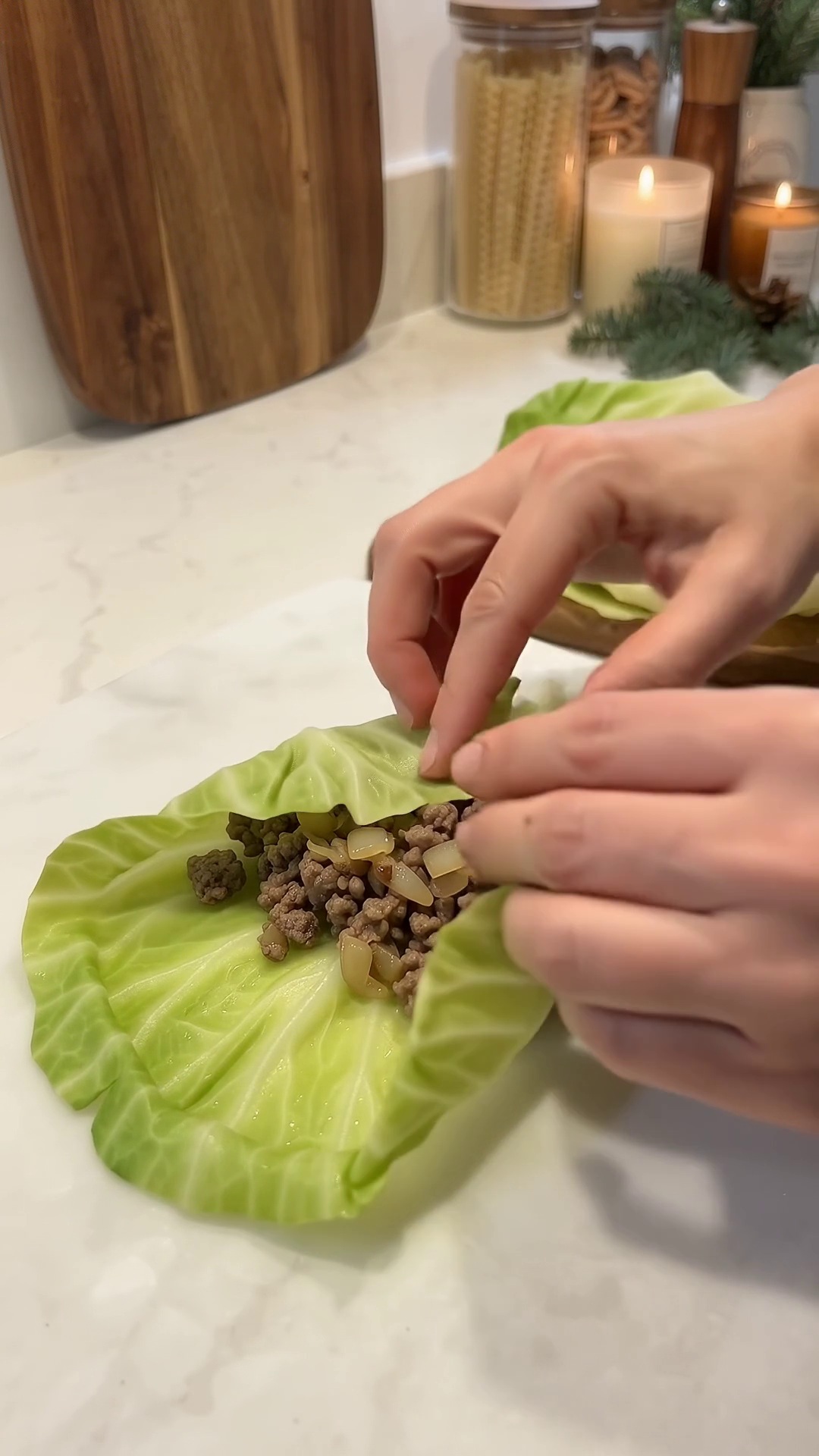
- Divide and fold. Divide all the filling evenly among the 8 leaves. Place a portion on each leaf, fold the sides inward, and close into a compact, fairly flat pocket. A triangular or envelope fold both work; the important point is to enclose the filling securely without overstuffing.
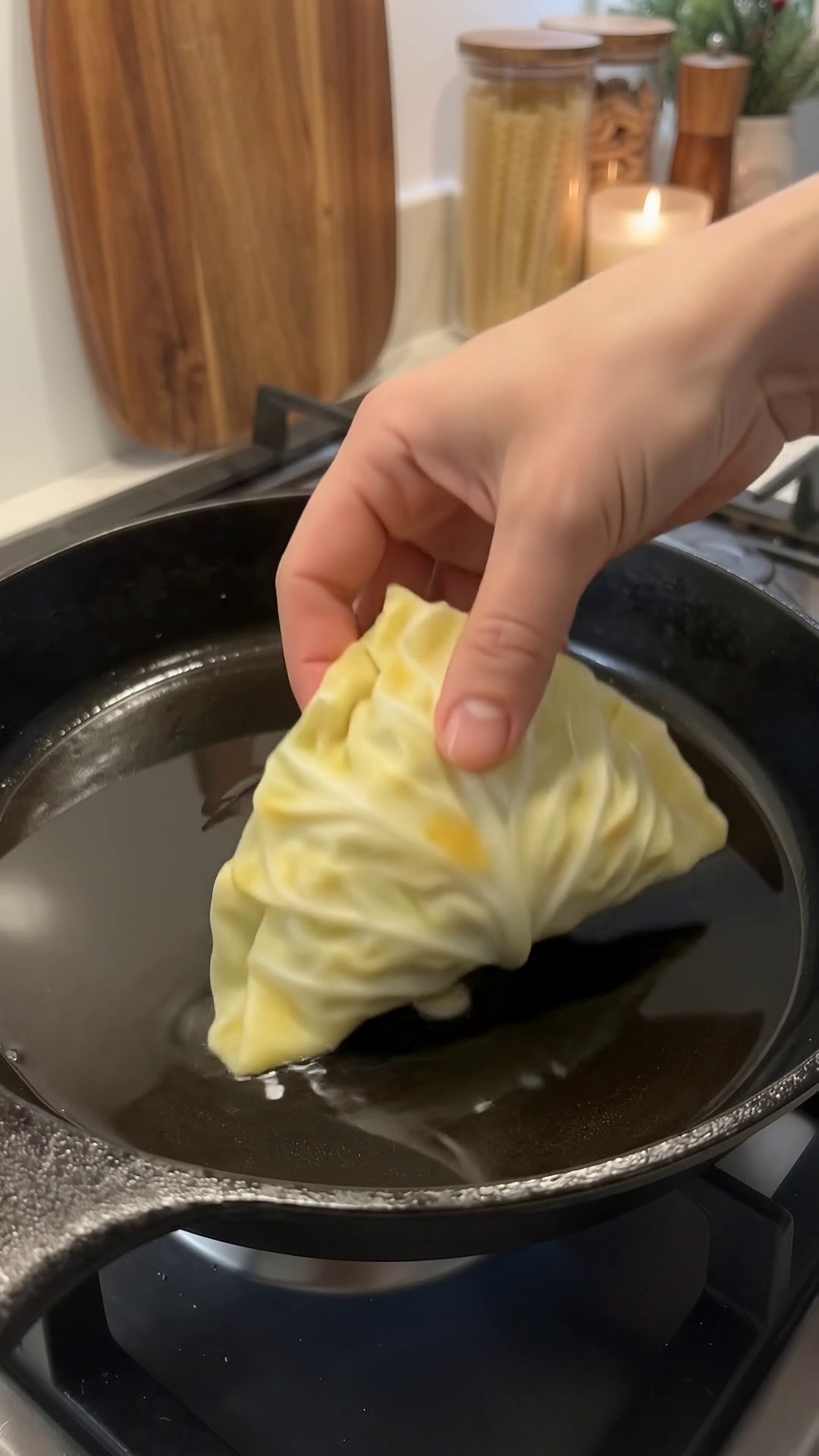
- Coat with egg. Beat the egg in a shallow dish. Carefully turn each folded pocket in it, using a thin coating and allowing excess to drip away. Keep the seam tucked underneath. The egg belongs on the outside in this version, not in the already cooked filling.
- Pan-fry in batches. Heat the butter or oil in a large skillet over medium heat. Add pockets seam-side down without crowding. Fry about 4–5 minutes per side, adjusting heat as needed, until golden, the cabbage is tender, the egg is fully set, and the filling is hot throughout. Use a wide spatula to turn them.
- Serve promptly. Move the pockets to plates and serve warm. If working in batches, keep finished pockets warm without stacking them tightly, which traps steam and softens the exterior.
Helpful Tips
Dry leaves matter. Water clinging to cabbage creates steam in the skillet and can make the egg coating slip. If a leaf tears, overlap the torn edges when folding and keep that join underneath. Avoid pulling softened cabbage tight like wrapping paper; a gentle fold gives it room to settle.
Keep each pocket similarly flat so the center warms before the exterior becomes too dark. Medium heat is more useful than a fiercely hot pan. When turning, slide a wide spatula fully underneath instead of pinching the pocket with narrow tongs. Let the first side develop color before disturbing the seam.
Variations and Serving Ideas
Use the same filling to make envelope-shaped pockets or flatter triangles. The shape can change, but keep the filling divided among eight leaves. Choose butter for its flavor or vegetable oil for a straightforward frying option, retaining the listed amount. A spoonful of sour cream or garlic dip is an optional serving accompaniment, not part of the measured filling.
Storage and Reheating
Refrigerate leftovers in shallow, covered containers within 2 hours and use within 3–4 days. Reheat to 165°F. A covered skillet over gentle heat warms the middle; uncover near the end to restore some surface texture. The microwave is convenient but will soften the cabbage coating. Freeze cooled pockets in a sealed container for up to 2 months, separating layers, and thaw in the refrigerator before reheating.
Frequently Asked Questions
Is the meat raw when I fill the leaves?
No. Cook the ground beef to 160°F before mixing with rice and folding. The final fry sets the egg coating and heats the assembled pockets.
Why did my pockets open?
A thick rib, too much filling, or an early turn can loosen the fold. Trim the rib, divide the filling evenly, and start seam-side down.
Are these traditional cabbage rolls?
They are a crisp skillet variation. Their flat shape and egg-coated exterior distinguish them from simmered or baked cabbage rolls.