Traditional Italian Cartellate Recipe (Christmas Pastries)
Traditional Italian Cartellate Recipe (Christmas Rosette Pastries)
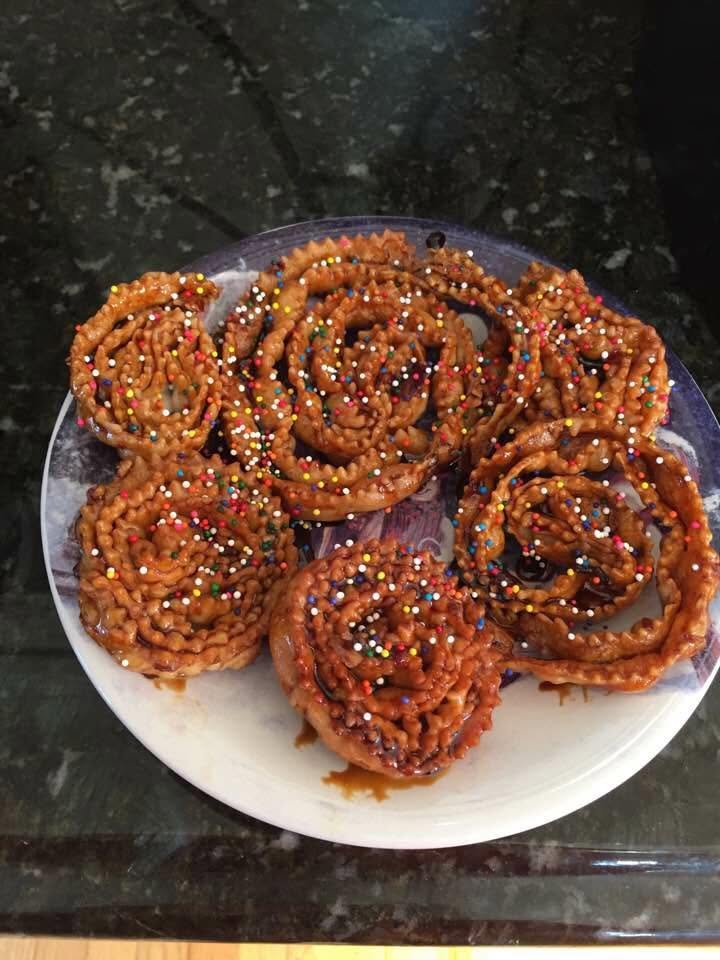
Traditional Italian Cartellate are beautiful, delicate Christmas pastries made from thin ribbons of dough shaped into little roses, fried until crisp, and coated with a rich, sweet glaze.
These golden pastries are especially popular in southern Italy, where families prepare them during the Christmas season. Their intricate spiral shapes make them look impressive, but their ingredients are surprisingly simple.
This family-style recipe, shared as Cartellatte – Mama’s Ingratada by Ann C., uses flour, canola oil, and white wine to create the pastry dough. The finished rosettes are covered in a homemade raisin-based vin cotto glaze and decorated with colorful sprinkles.
Whether you’re continuing an Italian family tradition or discovering Cartellate for the first time, these festive pastries are a wonderful addition to your holiday baking collection.
What Are Italian Cartellate?
Cartellate are traditional fried pastries from Puglia, a region in southern Italy. They’re made by rolling dough into extremely thin sheets, cutting the sheets into strips, and folding the strips into rose-like spirals.
The pastries are fried until golden and crisp, then traditionally coated with vincotto, cooked grape must, or sometimes honey.
The result is a beautiful contrast between delicate, crunchy pastry and a rich, sticky glaze.
Different Italian families have their own methods, and recipes are often passed down through generations.
Why You’ll Love This Recipe
- Traditional Italian Christmas dessert: A beautiful holiday specialty.
- Simple dough ingredients: Flour, oil, and white wine form the pastry.
- Beautiful handmade shapes: Each pastry resembles a small rose.
- Crispy texture: Thin dough becomes delicate and crunchy when fried.
- Family baking tradition: Perfect for making together during the holidays.
Ingredients
For the Cartellate Dough
- 7 cups (approximately 875 g) all-purpose flour
- 1 cup (240 ml) canola oil
- 1 cup (240 ml) white wine
For Frying
- Additional canola oil, enough for deep-frying
For the Traditional Raisin Vin Cotto Glaze
- 5 pounds (approximately 2.27 kg) raisins
- Water for soaking and cooking the raisins
For Decorating
- Multicolored nonpareil sprinkles, as desired
Recipe note: These are the quantities shown in the original family recipe. The amount of water needed for the raisin glaze and the final syrup yield are not specified. The glaze is a separate, multi-day preparation.
How to Make Traditional Italian Cartellate
Step 1: Prepare the Dough
Place the flour in the bowl of a stand mixer fitted with a dough hook.
Add the canola oil and white wine.
Mix on low speed until the ingredients begin forming a firm dough.
Continue kneading until the dough becomes smooth and holds together. If it remains crumbly, allow it to rest briefly before deciding whether it needs a small amount of additional wine.
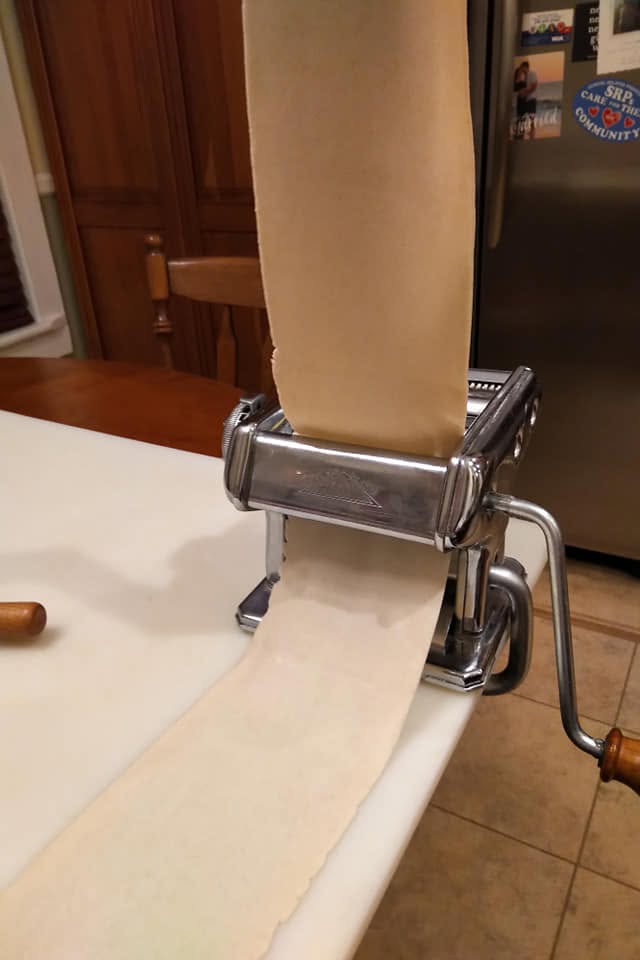
The dough should be firm enough to pass through a pasta machine without sticking.
Step 2: Rest the Dough
Form the dough into a ball and cover it with plastic wrap or a clean kitchen towel.
Allow it to rest for approximately 30 minutes.
Resting helps relax the dough, making it easier to roll into thin sheets.
Step 3: Roll the Dough Very Thin
Divide the dough into manageable portions.
Using a pasta machine, pass each portion through the widest setting.
Fold and roll several times until the dough becomes smooth.
Gradually reduce the pasta machine setting until the dough is very thin.
Thin dough is essential for creating the delicate, crispy texture of traditional Cartellate.
Step 4: Cut the Pastry Strips
Lay the thin dough sheets on a lightly floured work surface.
Using a fluted pastry wheel, cut long strips approximately 1½–2 inches wide.
The fluted cutter creates decorative zigzag edges that make the finished pastries especially beautiful.
Step 5: Shape the Cartellate Roses
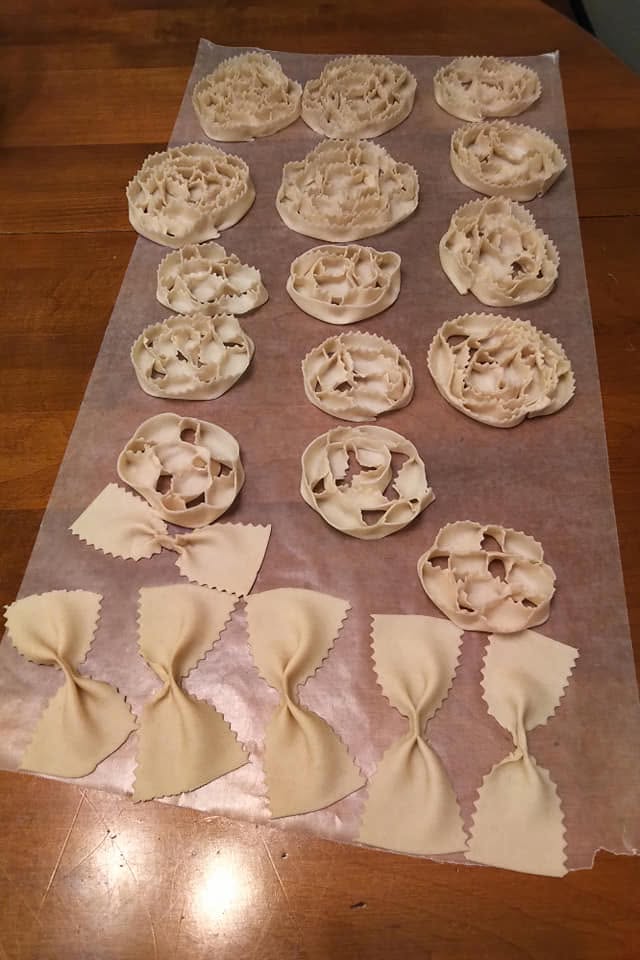
Take one pastry strip and gently pinch sections of the dough together at regular intervals, creating small pockets.
Carefully roll the strip into a loose spiral, resembling a rose.
Press the joining points lightly so the shape holds together.
Avoid rolling too tightly. The open spaces allow the pastry to cook evenly and hold the glaze.
Repeat with the remaining dough.
Step 6: Allow the Pastries to Dry
Place the shaped rosettes on parchment-lined trays.
Let them rest uncovered in a dry location for several hours, or until their surfaces have dried slightly.
This traditional preparation step helps the delicate shapes hold together during frying.
Step 7: Fry Until Golden
Heat several inches of canola oil in a deep, heavy-bottomed pot to approximately 350°F (175°C).
Carefully lower a few Cartellate into the hot oil.
Fry until lightly golden and crisp, turning gently when needed.
Depending on their size and thickness, this may take approximately 1–3 minutes.
Remove with a slotted spoon and transfer to a paper towel-lined tray.
Allow the pastries to cool completely before glazing.
How to Make the Traditional Raisin Vin Cotto Glaze
The original family recipe uses a raisin-based syrup rather than the more commonly available bottled grape vincotto.
Step 8: Soak the Raisins
Place the raisins in a large food-safe container and cover with water.
Soak for 3 days under refrigeration, keeping the raisins submerged.
Step 9: Cook the Raisins
Transfer the soaked raisins and soaking liquid to a large pot.
Cook gently until the raisins become very soft.
Drain, reserving the cooking liquid.
Step 10: Extract the Raisin Juice
Press the softened raisins to extract as much liquid as possible.
Strain the extracted liquid through cheesecloth to remove solids.
For a smoother glaze, strain a second time.
Step 11: Reduce into Syrup
Pour the strained liquid into a heavy-bottomed saucepan.
Simmer gently, stirring occasionally, until it reduces into a thick syrup.
The original recipe describes testing a small amount on a plate. When a finger is drawn through the syrup, the separated line should remain visible.
Be careful: concentrated fruit syrup becomes extremely hot and can burn easily.
The reduction time will depend on how much liquid was extracted.
Step 12: Glaze the Cartellate
Once the syrup is ready, allow it to cool slightly while remaining pourable.
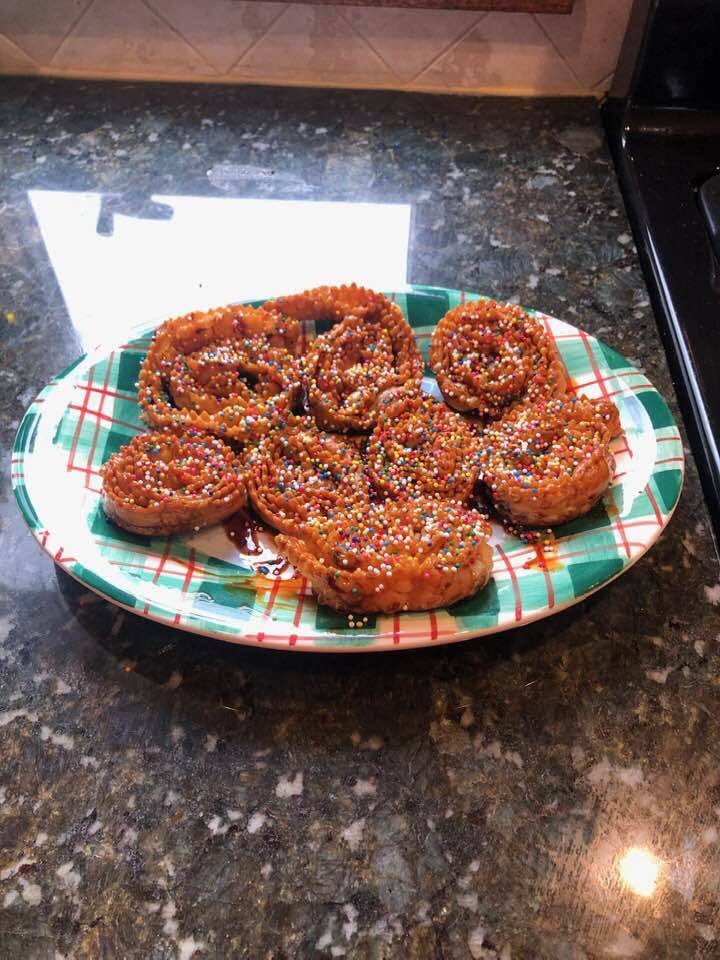
Spoon the warm glaze over the fried Cartellate, allowing it to settle into their decorative folds.
Arrange the glazed pastries on a serving platter.
Finish with colorful nonpareil sprinkles.
Allow the glaze to set slightly before serving.
Tips for Perfect Italian Cartellate
Roll the dough thin. Thick dough produces heavier pastries, while thin sheets create the traditional crisp texture.
Use a pasta machine. It helps achieve an even thickness and makes shaping easier.
Keep the rosettes loose. Leave small spaces between the folded sections so the oil can circulate.
Maintain the frying temperature. Oil that is too cool can make the pastries greasy.
Fry in small batches. Overcrowding lowers the oil temperature and can affect crispness.
Strain the glaze thoroughly. Removing raisin solids creates a smoother syrup.
Glaze shortly before serving. The pastry stays crispest before absorbing too much syrup.
Easy Cartellate Variations
Honey-Glazed Cartellate
For a simpler alternative, gently warm honey until pourable and drizzle it over the cooled pastries.
Traditional Grape Vincotto Cartellate
Use prepared food-grade grape vincotto instead of homemade raisin syrup.
Cinnamon Cartellate
Add a small pinch of cinnamon to the warm glaze for a fragrant holiday variation.
Chocolate Cartellate
Drizzle the cooled pastries with melted dark chocolate for a modern dessert variation.
How to Store Italian Cartellate
Unfilled and Unglazed Pastries
Store completely cooled, fried Cartellate in an airtight container in a cool, dry place for up to 5 days.
Glazed Cartellate
For the best texture, enjoy glazed pastries within 1–2 days.
Keep them covered in a cool place, and refrigerate if necessary based on the storage requirements of your glaze.
Freezing
You can freeze unglazed fried pastries for up to 1 month in a freezer-safe container.
Thaw at room temperature and refresh briefly in a low oven if needed before glazing.
Frequently Asked Questions
What are Cartellate?
Cartellate are traditional southern Italian pastries made from thin strips of dough shaped into roses, fried, and coated in sweet syrup.
Are Cartellate traditionally served at Christmas?
Yes. They’re especially associated with Christmas celebrations in Puglia and other parts of southern Italy.
Why is white wine used in the dough?
White wine contributes flavor and helps create the traditional pastry dough texture.
Can I make Cartellate without a pasta machine?
Yes. Use a rolling pin to roll the dough as thinly and evenly as possible.
Can I use honey instead of vin cotto?
Yes. Honey is a common alternative and creates a delicious sweet glaze.
Can I prepare the pastries ahead of time?
Yes. Fry the pastries ahead and store them unglazed. Add the syrup closer to serving time.
Final Thoughts
Traditional Italian Cartellate are more than just Christmas cookies. They’re a celebration of family, patience, and the beautiful traditions of southern Italian baking.
Their delicate rose shapes, crispy layers, and sweet glaze make them a memorable addition to any holiday dessert table.
Whether you use traditional raisin vin cotto or a simpler honey glaze, these pastries bring a special taste of Italian Christmas to your kitchen.
Did your Nonna or grandmother make Cartellate for Christmas? Share your family’s tradition in the comments below!
Recipe adapted from “Cartellatte – Mama’s Ingratada,” shared by Ann C.