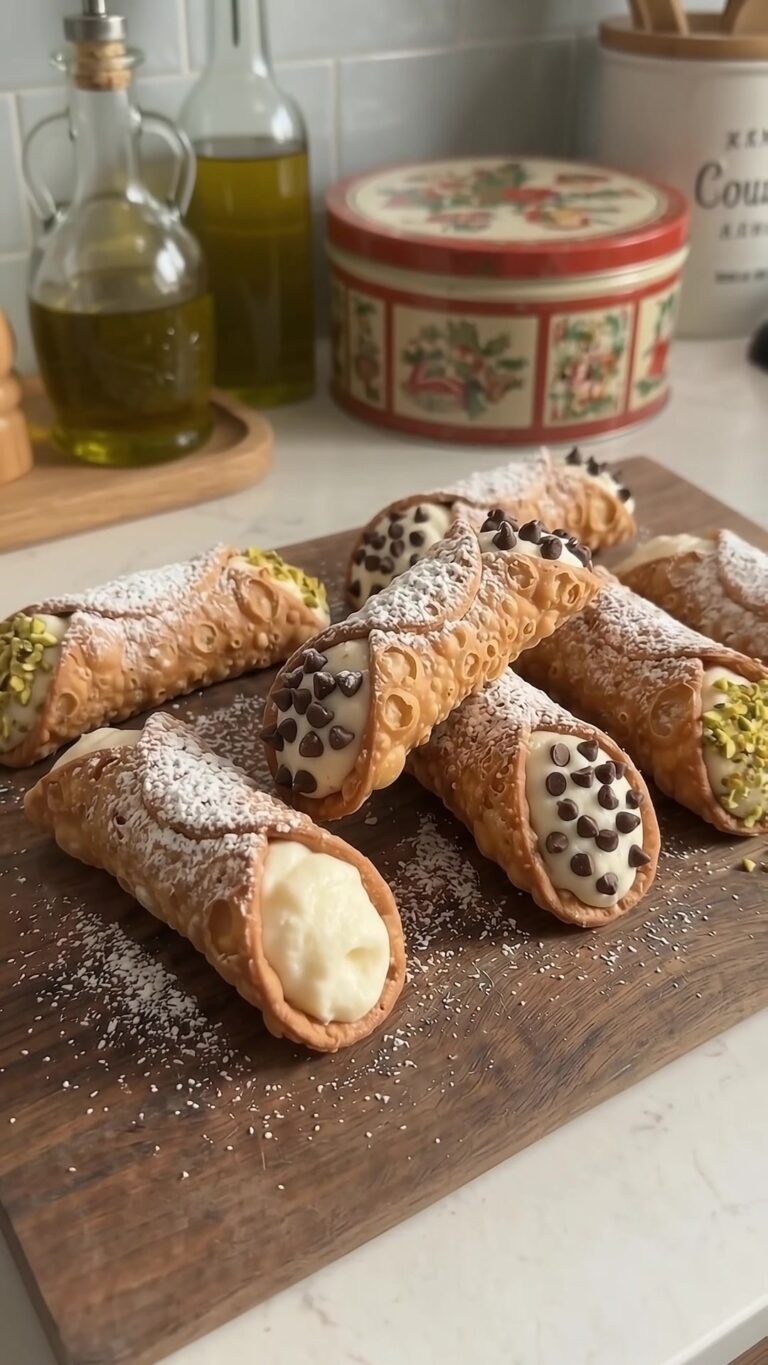
Traditional Sicilian Cassatelle Recipe (Ricotta Pastries)
Traditional Sicilian Cassatelle (Crispy Ricotta & Chocolate Pastries)
If you love traditional Italian desserts, these homemade Sicilian Cassatelle are a treat you need to try. Made with delicate, crispy pastry shells and a sweet, creamy ricotta filling dotted with chocolate chips, they’re one of Sicily’s most delicious traditional pastries.
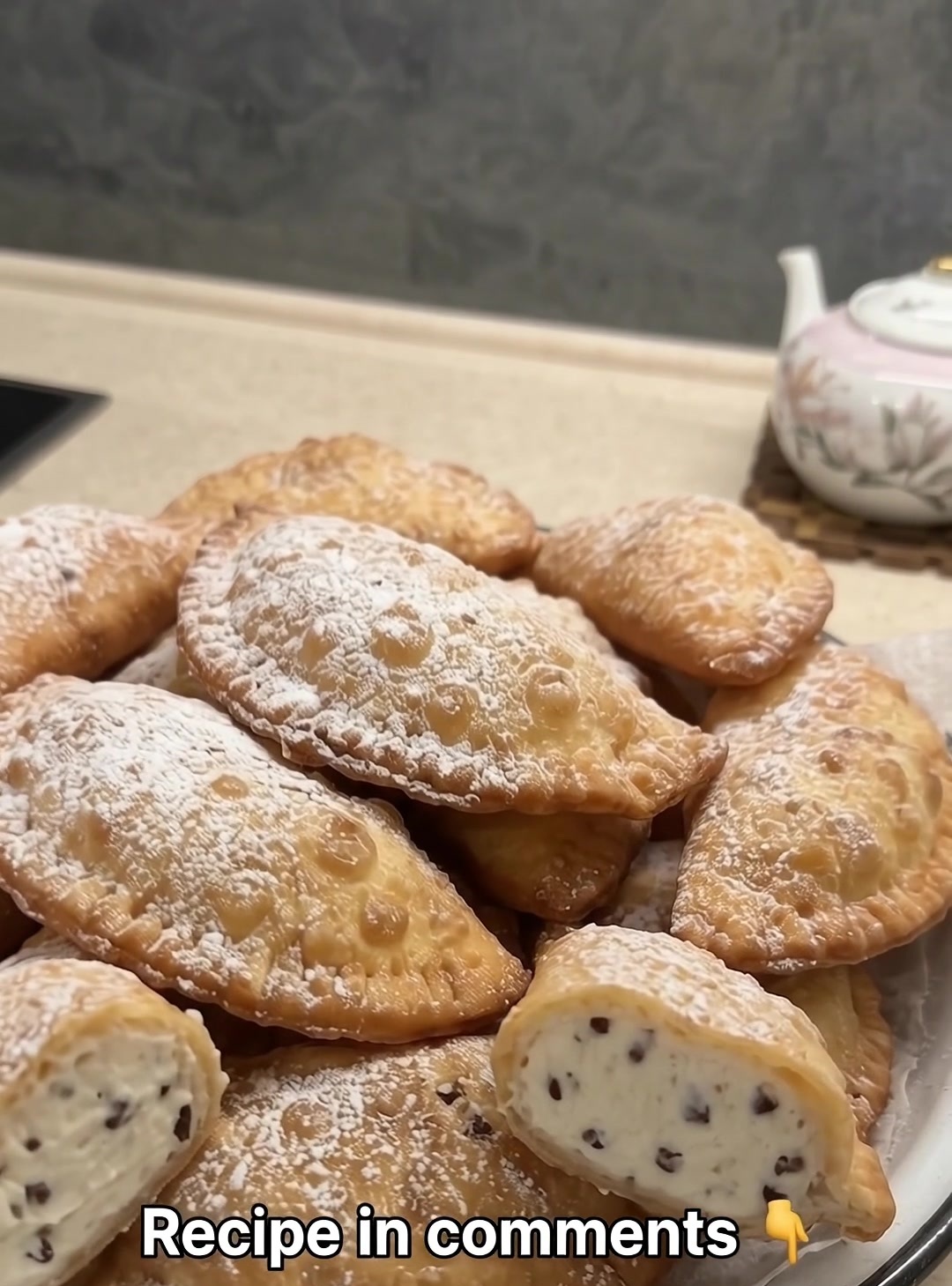
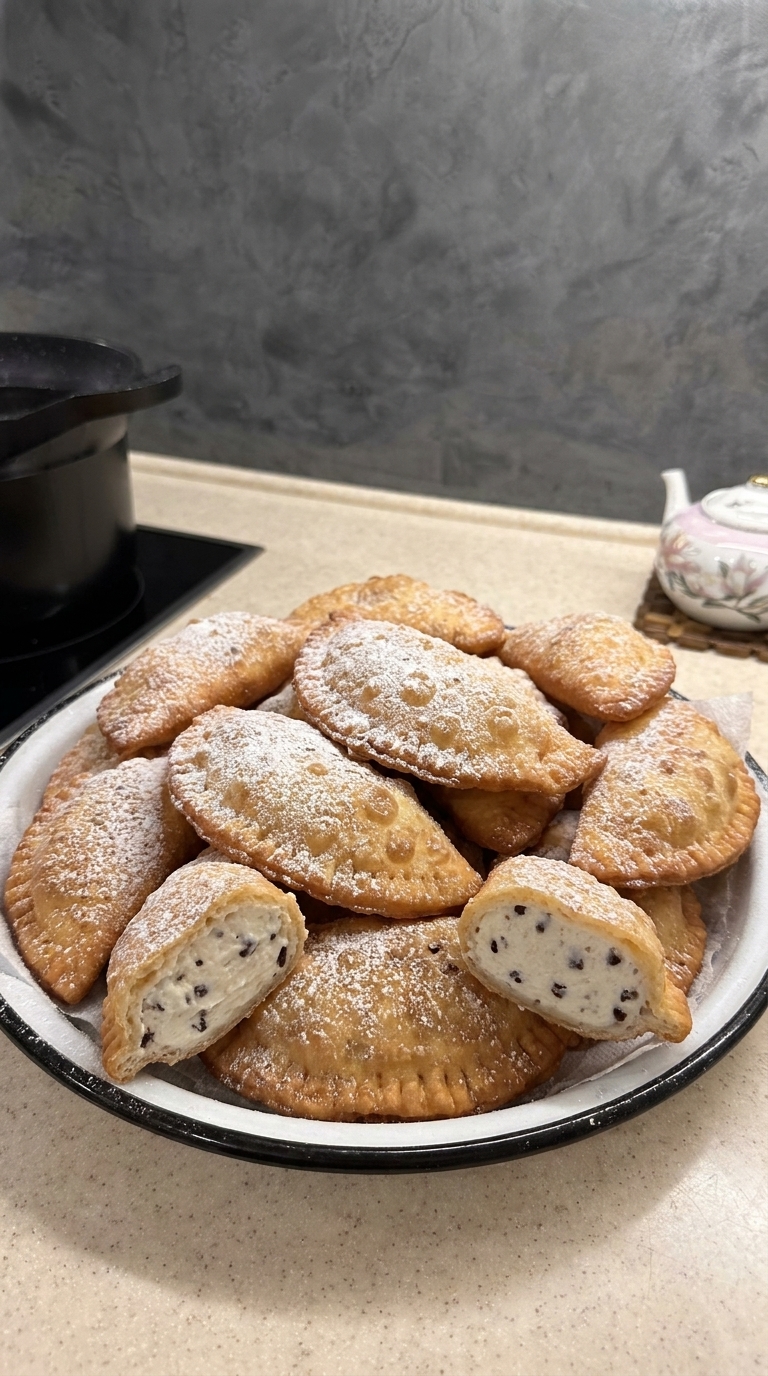
Each cassatella is shaped into a little half-moon, fried until golden and bubbly, and finished with a generous dusting of powdered sugar. The contrast between the crunchy pastry and soft ricotta filling makes every bite irresistible.
These pastries are particularly associated with western Sicily, especially the Trapani area, where ricotta-filled cassatelle have been enjoyed for generations.
Whether you’re preparing them for Christmas, Easter, Sunday dinner, or a special family gathering, they’re a wonderful way to bring traditional Sicilian flavors into your kitchen.
What Are Sicilian Cassatelle?
Sicilian Cassatelle, sometimes called cassatelle di ricotta, are traditional fried pastries filled with sweetened ricotta cheese.
They’re typically made from a simple dough containing flour, fat, sugar, and white wine. The dough is rolled thin, cut into circles, filled with ricotta, and folded into semicircles.
After frying, the pastries develop a beautiful golden crust with tiny bubbles on the surface.
Different Sicilian families prepare their own variations, sometimes adding cinnamon, citrus zest, or chocolate chips to the filling.
Why You’ll Love This Recipe
- Crispy golden pastry: A delicate shell that becomes wonderfully crunchy when fried.
- Creamy ricotta filling: Sweetened ricotta creates a smooth, rich center.
- Chocolate in every bite: Mini chocolate chips add extra sweetness.
- Traditional Italian dessert: Inspired by classic Sicilian family baking.
- Perfect for celebrations: Beautiful for holidays and special occasions.
Ingredients
Makes approximately 16–18 medium Cassatelle.
For the Pastry Dough
- 3 cups (375 g) all-purpose flour
- 2 tablespoons granulated sugar
- ¼ teaspoon salt
- 3 tablespoons (42 g) unsalted butter, melted and cooled
- ½ cup (120 ml) dry white wine
- ¼ cup (60 ml) water, approximately, as needed
- 1 teaspoon finely grated lemon zest
For the Ricotta Filling
- 1½ cups (approximately 375 g) whole-milk ricotta cheese, well drained
- ½ cup (60 g) powdered sugar
- ⅓ cup (60 g) mini chocolate chips
- ½ teaspoon vanilla extract
- ¼ teaspoon ground cinnamon, optional
- 1 teaspoon finely grated orange zest, optional
For Frying and Serving
- Neutral vegetable oil, such as sunflower or canola oil
- Powdered sugar, for dusting
How to Make Traditional Sicilian Cassatelle
Step 1: Drain the Ricotta
Place the ricotta in a fine-mesh strainer over a bowl.
Refrigerate for several hours or overnight to remove excess moisture.
This step is important because watery ricotta can make the filling too loose and cause the pastries to leak during frying.
Step 2: Prepare the Ricotta Filling
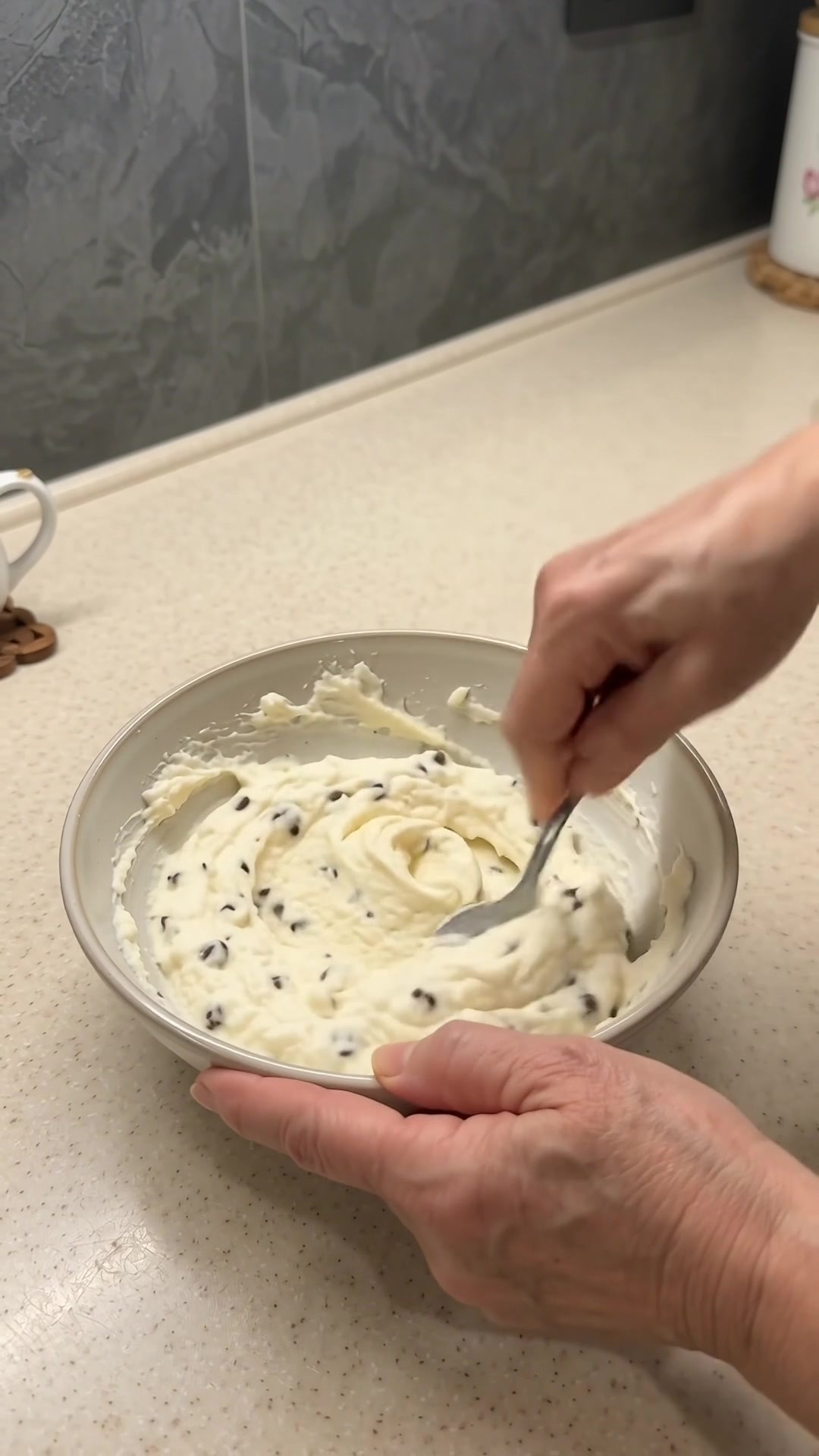
In a medium mixing bowl, combine the drained ricotta and powdered sugar.
Mix until smooth and creamy.
Add the vanilla extract, mini chocolate chips, and optional cinnamon or orange zest.
Stir gently until evenly combined.
Cover and refrigerate while preparing the pastry dough.
Step 3: Make the Pastry Dough
In a large mixing bowl, whisk together the flour, sugar, and salt.
Add the melted butter, white wine, and lemon zest.
Mix until a dough begins to form, adding water gradually only as needed.
Transfer the dough to a lightly floured surface and knead for approximately 8–10 minutes until smooth and elastic.
The dough should be firm but flexible, not sticky.
Step 4: Rest the Dough
Shape the dough into a ball and wrap tightly in plastic wrap.
Allow it to rest at room temperature for approximately 30–45 minutes.
Resting makes the dough easier to roll thinly without shrinking back.
Step 5: Roll Out the Dough
Divide the dough into two or three portions.
Using a rolling pin or pasta machine, roll each portion into a thin sheet, approximately 1/16 inch (1–2 mm) thick.
Keep the remaining dough covered while working.
Thin pastry is essential for achieving the crispy, blistered texture shown in the Reel.
Step 6: Cut the Pastry Circles
Using a round cutter approximately 4 inches wide, cut circles from the dough.
Gather the scraps and reroll them once if necessary.
Place the circles on a lightly floured work surface.
Step 7: Fill the Cassatelle
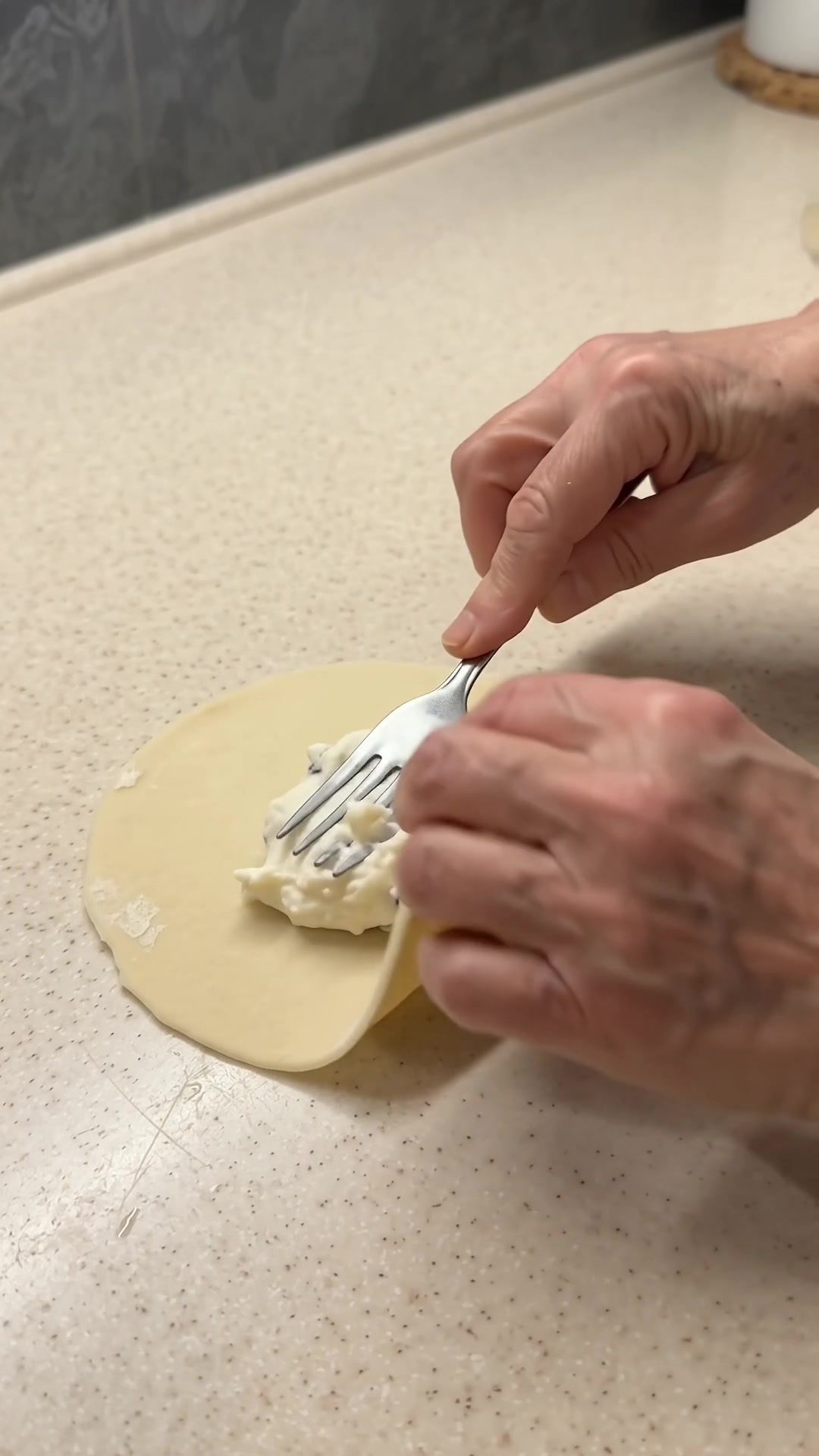
Spoon approximately 1–1½ tablespoons of chilled ricotta filling onto one half of each pastry circle.
Leave a small border around the edges.
Avoid overfilling because the filling may escape during frying.
Step 8: Fold and Seal
Lightly moisten the edges with a little water.
Fold the empty half of the pastry over the filling to create a semicircle.
Press the edges firmly to remove trapped air and seal the filling inside.
Use a fork to crimp the edges, or trim with a fluted pastry wheel for a decorative finish.
Make sure every pastry is completely sealed.
Step 9: Heat the Frying Oil
Pour approximately 2 inches of neutral oil into a deep, heavy-bottomed pot.
Heat to 340–350°F (170–175°C).
Use a kitchen thermometer to maintain a consistent temperature.
Step 10: Fry Until Golden
Carefully lower two or three Cassatelle into the hot oil.
Fry for approximately 2–4 minutes total, turning gently as needed, until both sides are golden brown and crisp.
The pastry should develop tiny bubbles and a beautifully blistered surface.
Transfer to a wire rack or paper towel-lined tray to drain.
Repeat with the remaining pastries.
Step 11: Dust with Powdered Sugar
Allow the fried Cassatelle to cool slightly.
Dust generously with powdered sugar just before serving.
Serve warm or at room temperature.
The pastry should be crisp on the outside, with a creamy ricotta and chocolate filling inside.
Tips for Perfect Sicilian Cassatelle
Drain the ricotta thoroughly. Thick ricotta is essential for preventing soggy pastries and leaking filling.
Roll the dough thin. Thick dough can become heavy instead of delicate and crispy.
Don’t overfill. A modest amount of filling makes sealing easier.
Seal the edges firmly. Any openings can allow the filling to escape into the hot oil.
Maintain the oil temperature. Oil that is too cool makes the pastries greasy, while excessively hot oil browns the exterior too quickly.
Use mini chocolate chips. Their small size distributes the chocolate evenly through the filling.
Dust just before serving. Powdered sugar looks best when added shortly before enjoying the pastries.
Delicious Cassatelle Variations
Classic Ricotta Cassatelle
Omit the chocolate chips and flavor the ricotta with cinnamon and orange zest for a simpler traditional filling.
Lemon Ricotta Cassatelle
Add extra finely grated lemon zest to the filling for a brighter citrus flavor.
Pistachio Cassatelle
Fold finely chopped pistachios into the ricotta mixture for a nutty variation.
Chocolate Ricotta Cassatelle
Add a tablespoon of unsweetened cocoa powder to the ricotta filling for a richer chocolate flavor.
How to Store Sicilian Cassatelle
Refrigerator
Because the pastries contain ricotta, store leftovers in an airtight container in the refrigerator for up to 2–3 days.
The pastry may soften slightly during storage.
Reheating
Place the Cassatelle in a 325°F oven for approximately 8–10 minutes, until warmed through and the pastry begins to crisp again.
Allow them to cool slightly before eating.
Freezing
Arrange uncooked, filled Cassatelle on a parchment-lined tray and freeze until firm.
Transfer to a freezer-safe container and freeze for up to 1 month.
Fry from frozen in small batches, allowing extra cooking time and ensuring the filling is heated through.
Frequently Asked Questions
What are Sicilian Cassatelle made of?
Traditional Cassatelle are made with thin pastry dough and a sweet ricotta filling. Many variations include cinnamon, citrus zest, or chocolate chips.
Are Cassatelle the same as cannoli?
No. Both are Sicilian desserts that may contain sweet ricotta, but cannoli have tubular shells, while Cassatelle are folded into half-moon shapes.
Can I bake Cassatelle instead of frying them?
Yes, although the texture will be different. Brush with a little beaten egg and bake at 375°F (190°C) for approximately 20–25 minutes, until golden and cooked through.
Why did my Cassatelle open during frying?
The edges may not have been sealed firmly, the dough may have been too dry, or the pastries may have contained too much filling.
Can I prepare the filling ahead of time?
Yes. The ricotta filling can be prepared up to one day ahead and kept covered in the refrigerator.
Are Cassatelle served warm or cold?
They can be enjoyed warm or at room temperature, although freshly fried pastries have the crispiest texture.
Final Thoughts
Traditional Sicilian Cassatelle are a wonderful example of Italian pastry-making at its best.
Their crispy golden shells, sweet ricotta filling, and delicate chocolate flavor make them a memorable dessert for family gatherings and holidays.
Although they require a little time to shape and fry, the result is worth the effort.
Serve them with espresso or cappuccino, and enjoy a delicious taste of Sicily at home.
Did your Nonna or grandmother make Cassatelle? Share your family’s favorite Italian pastry memories in the comments below!