German Pfeffernüsse Spice Cookies with Lemon Icing
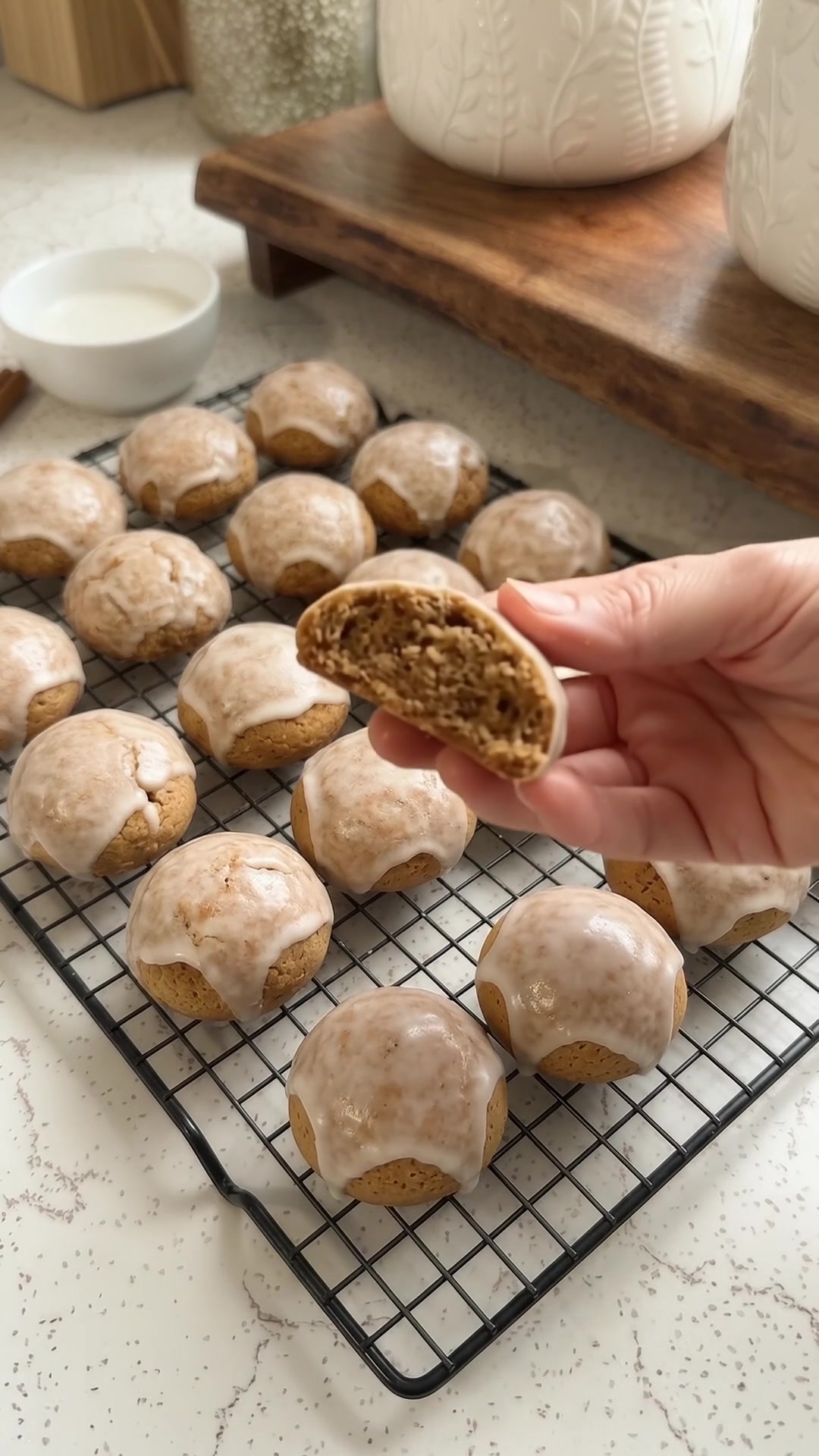
German Pfeffernüsse spice cookies are small, warmly spiced cookies with molasses, cocoa, ground almonds, and a bright lemon icing that dries to a delicate white finish.
These rounded Christmas cookies offer a little of everything: a fragrant brown crumb, a soft bite, and a tangy coating that balances the rich dough. Anise, cinnamon, cloves, ginger, nutmeg, and black pepper all appear in the spice mixture, so measuring before you begin keeps the process organized. The dough starts with a gently warmed butter mixture, then rests in the refrigerator before shaping. This is a standard working version matched to the supplied images, rather than a verified transcription of the video.
Why You’ll Love This Recipe
- Six ground spices give the cookies a distinctive holiday aroma.
- Molasses and cocoa bring depth to the dough.
- The lemon icing provides a simple white finish without piping.
- Chilled dough logs make it easier to divide consistent portions.
- Small cookies fit neatly onto mixed Christmas cookie trays.
Recipe Details
Makes: about 40 cookies. Oven: 350°F. Bake: about 15 minutes per batch. Chill: at least 30 minutes. Allow additional time to mix, cool, dip, and dry the icing. This version is adapted from the Pfeffernüsse recipe by Nikki Phelps, hosted by the Goethe-Institut, using the ingredient amounts listed here.
Ingredients
For the Cookies
- ⅓ cup butter (80 g)
- ⅓ cup packed brown sugar (80 g)
- ¼ cup molasses plus 1 tablespoon (about 100 g), or honey
- 2 eggs, lightly beaten
- 2¾ cups all-purpose flour (about 350 g)
- 2 tablespoons unsweetened cocoa powder
- ½ cup finely ground almonds (50 g)
- 1 teaspoon baking powder
- ½ teaspoon baking soda
- ¼ teaspoon salt
- ½ teaspoon ground anise
- ½ teaspoon ground cinnamon
- ½ teaspoon ground cloves
- ½ teaspoon ground ginger
- ½ teaspoon ground nutmeg
- ½ teaspoon ground black pepper
For the Lemon Icing
- 1 cup powdered sugar (about 130 g)
- 1–2 tablespoons lemon juice
Use finely ground almonds that blend into the dough, rather than large chopped pieces. Spoon flour into the measuring cup and level it; a densely packed cup can make the dough difficult to shape. Sift lumpy cocoa or powdered sugar before using so neither leaves dry specks in the dough or icing.
Numbered Instructions
- Warm the butter mixture. Combine the butter, brown sugar, and molasses in a small saucepan. Warm over medium heat, stirring until the butter melts and the sugar dissolves. Remove from the heat and let cool until just warm. Avoid adding eggs while the mixture is hot.
- Combine the dry ingredients. In a large bowl, whisk together the flour, cocoa, ground almonds, baking powder, baking soda, salt, and all six ground spices. Break apart any visible clumps.
- Make and chill the dough. Stir the warm butter mixture into the dry ingredients, then add the lightly beaten eggs. Mix until a soft dough forms with no dry pockets. Divide in half and roll each half into a log about 1½ inches thick. Wrap and refrigerate for at least 30 minutes.
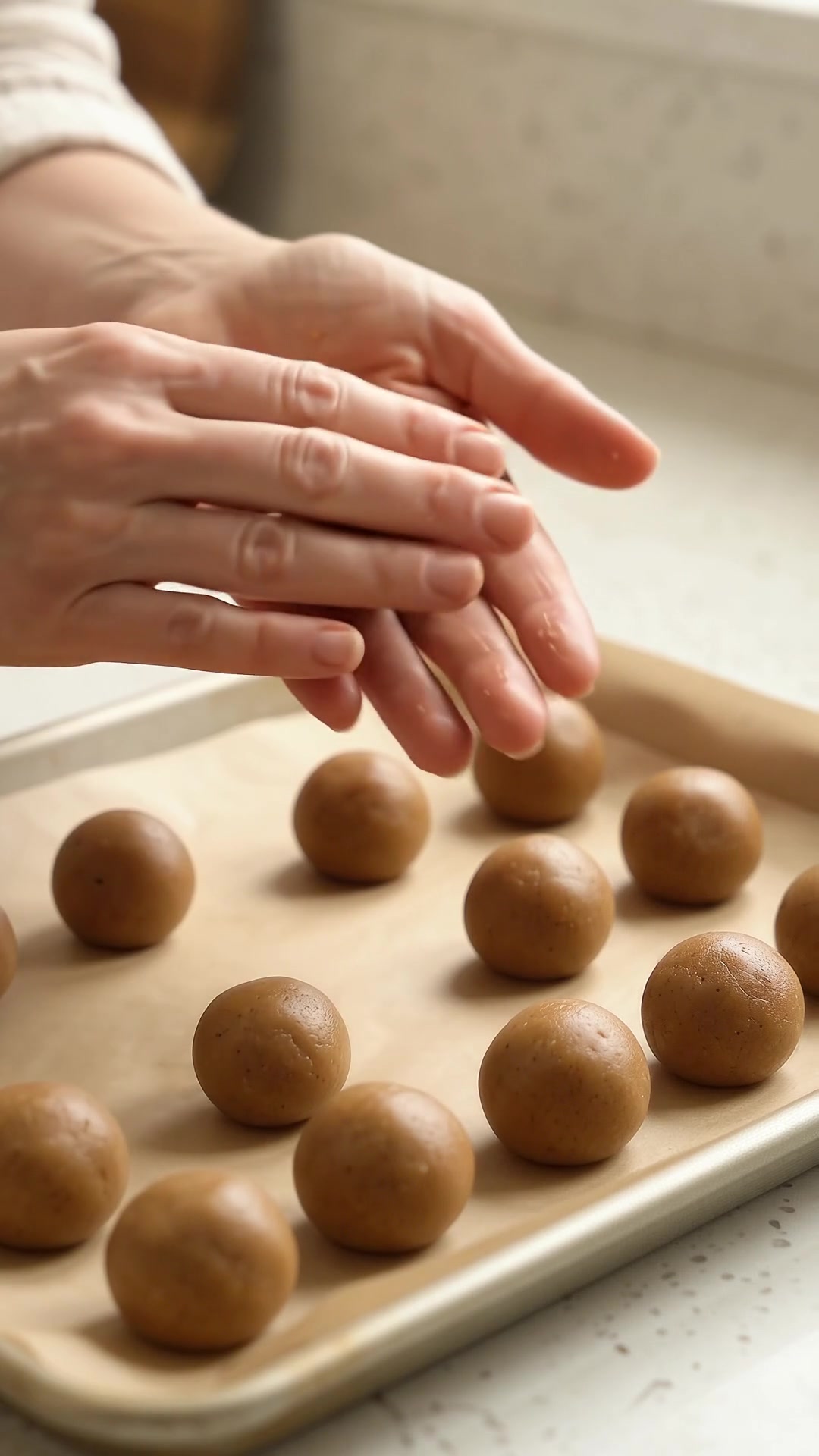
- Portion and shape. Heat the oven to 350°F and line baking sheets with parchment. Unwrap the chilled logs and cut into ½-inch pieces. Roll each piece into a ball and place on the sheets about an inch apart. Keep the portions similar in size for even baking.
- Bake until set. Bake for about 15 minutes, until the cookies look set but remain slightly soft. Let them firm up on the baking sheet before carefully transferring to a rack. Cool completely before icing.
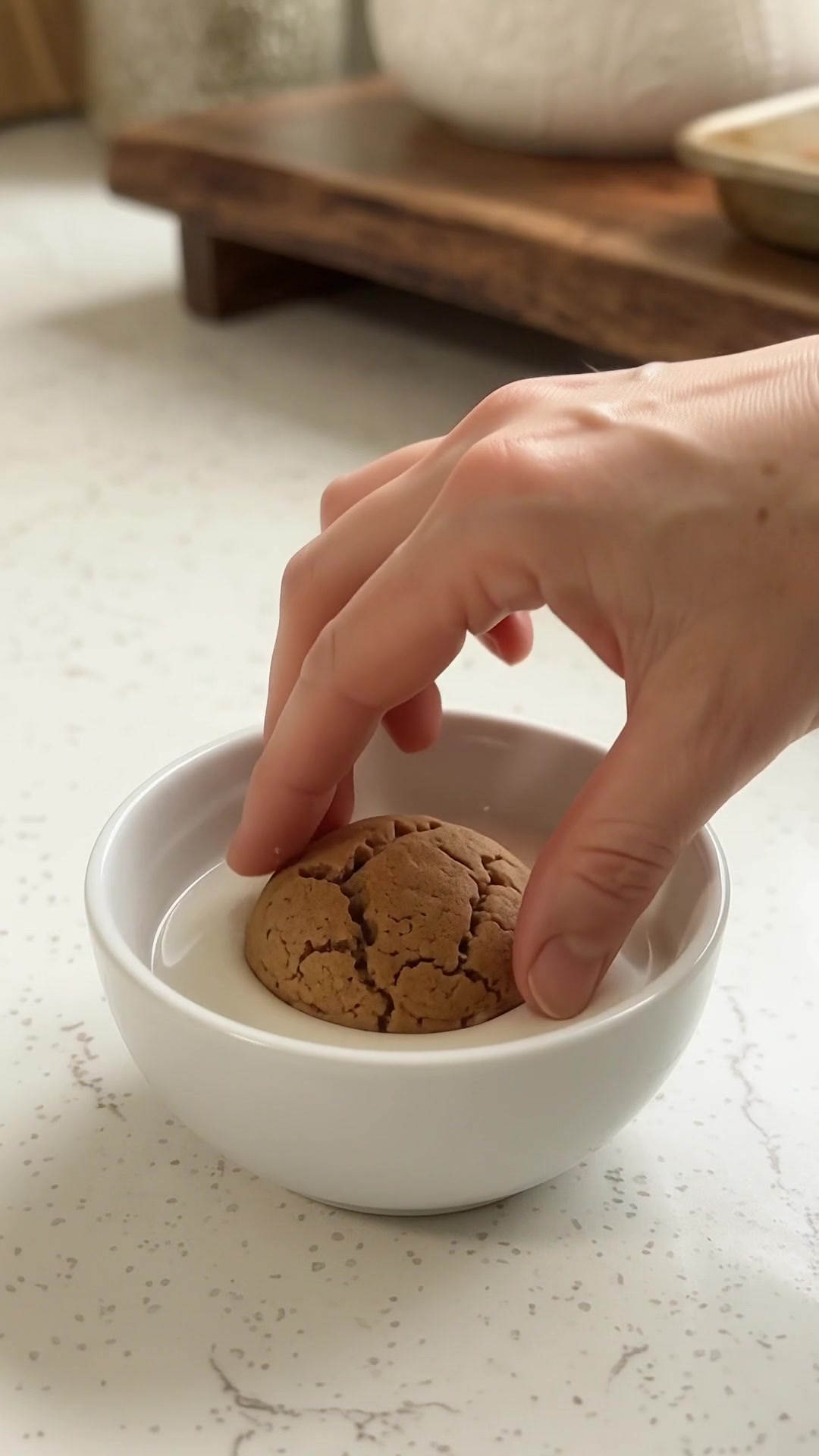
- Mix and apply the icing. Stir the lemon juice into the powdered sugar, beginning with 1 tablespoon and adding from the remaining tablespoon as needed. Aim for smooth icing that coats a cookie rather than running straight off. Dip the cooled tops, let excess icing drip back into the bowl, and return to the rack. Leave undisturbed until set.
Helpful Tips
Keep the second dough log refrigerated while shaping the first if your kitchen is warm. Dough that softens too much can be chilled again; there is no need to change the flour amount. Roll gently between your palms to smooth the surface without compressing every portion into a hard ball.
Watch the first tray closely near the end of baking. A deeply browned, firm cookie is beyond the soft finish intended here. Small surface cracks are fine. For icing, test one cookie first and see how the coating settles before dipping the rest. Warm cookies can make the glaze thin and patchy, so cooling is an essential step.
Variations
Choose molasses for the darker flavor described here or use honey in its place as listed. The sweetness and color will differ, so the finished batch may not look identical. Keep the quantity the same rather than adding both sweeteners.
For a lighter-looking finish, let more icing drain away after dipping. For a fuller white cap, allow a little more coating to remain. Keep the same icing ingredients and let each cookie dry fully before arranging it on a serving plate.
Storage Advice
Once the icing has hardened, keep the cookies in an airtight tin or container in a cool, dry spot. Separate layers with parchment to protect the white tops. They can be kept for up to 2 weeks; their texture can soften during storage. Avoid packing them alongside wet or freshly frosted treats.
To prepare ahead, freeze the wrapped, unbaked dough logs in a sealed freezer bag for up to 2 months. Thaw in the refrigerator until easy to slice and roll, then bake and ice as directed. Freezing the dough lets you finish a fresh batch without risking damage to the icing during thawing.