Best Fall-Apart Braised Cabbage Recipe (Cast Iron)
Best Fall-Apart Braised Cabbage
The Ultimate Vegetable Transformation
If you have ever thought of cabbage as a boring, watery, or uninspiring vegetable, this recipe is about to completely change your mind. This fall-apart braised cabbage takes an incredibly humble, inexpensive ingredient and transforms it into a luxurious, melt-in-your-mouth centerpiece. By utilizing a heavy cast iron skillet, you can coax out deep, complex flavors that elevate the cabbage far beyond its simple origins.
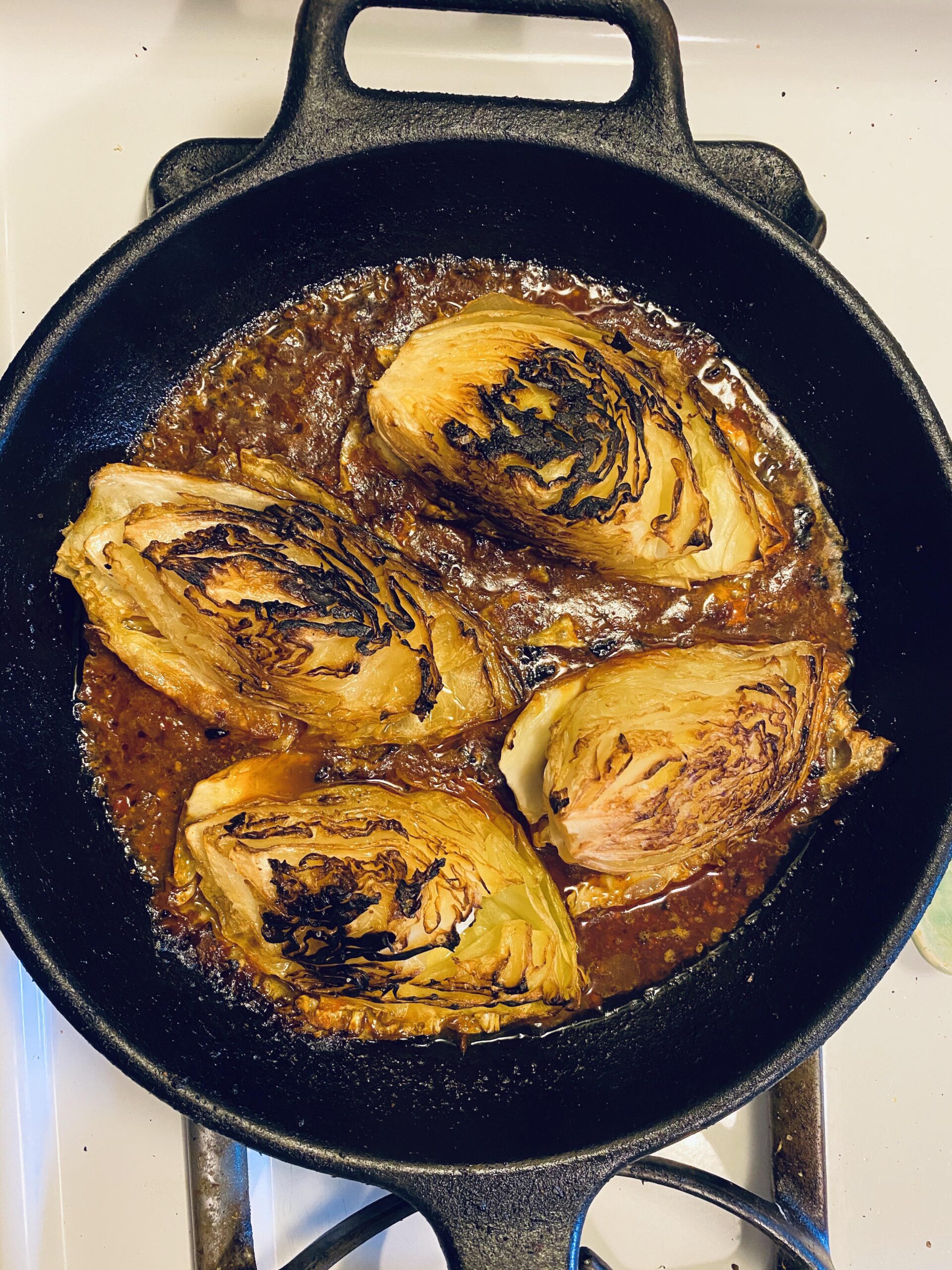
The secret to this incredible dish is a two-step cooking process. First, thick wedges of green cabbage are hard-seared in hot oil until the edges become aggressively charred and deeply caramelized. This step brings out the natural sweetness of the vegetable. Second, the wedges are gently braised in a savory, umami-rich liquid made from toasted tomato paste, garlic, and rich broth.
As the cabbage simmers, the tough fibers break down, leaving you with a side dish so tender you can cut it with a spoon. The savory braising liquid reduces down into a thick, sticky glaze that coats every single leaf. It is an unforgettable, restaurant-quality side dish that is surprisingly simple to execute on a busy weeknight.
Why You’ll Love This Recipe
-
Incredible Texture: The braising process breaks down the cabbage until it is literally falling apart and meltingly tender.
-
Deep Umami Flavor: Caramelizing tomato paste and garlic in the cast iron skillet builds a savory, meaty flavor profile without actually using any meat.
-
Budget-Friendly: Cabbage is one of the most affordable vegetables available, making this an incredibly cost-effective side dish.
-
One-Pan Cleanup: Everything from the initial sear to the final braise happens in a single cast iron skillet.
-
Healthy and Comforting: It feels incredibly rich and decadent, but it is packed with fiber and nutrients.
Ingredients
-
Green Cabbage: 1 medium-sized green cabbage. You will need to slice it into wedges, leaving the core intact so the leaves hold together.
-
Olive Oil: 2 tablespoons of extra-virgin olive oil for the initial high-heat sear.
-
Butter: 3 tablespoons of unsalted butter to add richness to the braising liquid.
-
Tomato Paste: 2 tablespoons of tomato paste. Toasting this creates the deep, savory umami base for the sauce.
-
Garlic: 4 cloves of fresh garlic, thinly sliced or smashed.
-
Broth: 1.5 cups of high-quality chicken or vegetable broth.
-
Red Pepper Flakes: 1/2 teaspoon for a subtle, warming background heat.
-
Salt & Black Pepper: Kosher salt and freshly cracked black pepper to taste.
-
Lemon Juice (Optional): A squeeze of fresh lemon juice at the end to brighten the dish.
Step-by-Step Instructions
Step 1: Prep the Cabbage Wedges
Remove any bruised or loose outer leaves from the cabbage. Cut the cabbage in half right down the middle, cutting through the core. Cut each half into two or three thick wedges, ensuring that every single wedge has a piece of the core attached. This is crucial for keeping the cabbage from falling completely apart during the initial sear.
Step 2: Sear the Wedges
Place a large (10-inch or 12-inch) cast iron skillet over medium-high heat and add the olive oil. Once the oil is shimmering, carefully place the cabbage wedges into the skillet flat side down. Season the tops generously with salt and pepper. Let them sear undisturbed for 4 to 5 minutes until deeply charred and caramelized on the bottom. Carefully flip the wedges and sear the other flat side for another 4 minutes.
Step 3: Build the Flavor Base
Once both sides are deeply browned, push the cabbage wedges slightly to the edges of the skillet. Add the butter to the center of the pan. Once the butter melts, add the tomato paste, sliced garlic, and red pepper flakes. Use a wooden spoon to stir the tomato paste into the butter, cooking it for about 2 minutes until it darkens in color and smells very fragrant.
Step 4: Add the Broth and Braise
Slowly pour the chicken or vegetable broth into the skillet, stirring to combine it with the toasted tomato paste and garlic. Bring the liquid to a steady simmer.
Step 5: Simmer to Perfection
Reduce the heat to medium-low. Cover the skillet tightly with a lid (or a piece of aluminum foil if your skillet doesn’t have a lid). Let the cabbage braise for 20 to 25 minutes, or until the core is completely tender when pierced with a paring knife.
Step 6: Glaze and Serve
Remove the lid or foil. If the braising liquid is still very thin, increase the heat to medium and let it bubble for 3 to 5 minutes until it reduces into a thick, glossy glaze. Spoon the reduced sauce generously over the top of the tender cabbage wedges. Finish with a squeeze of fresh lemon juice and serve hot.
Expert Cooking Tips
-
Leave the Core Intact: It cannot be stressed enough—do not cut the hard core out of the cabbage before cooking! It acts as the anchor holding the delicate leaves together. You can cut the core away on your plate as you eat.
-
Don’t Fear the Char: Cabbage contains a lot of water and can handle high heat. Do not be afraid to let it get deeply browned, almost bordering on burnt, during the searing phase. That char is where the flavor lives.
-
Scrape the Fond: When you pour the broth into the pan, make sure you scrape the bottom of the cast iron skillet to release all the sticky, caramelized bits of tomato paste and cabbage.
-
Test for Tenderness: The cooking time will vary depending on the thickness of your wedges. Always test the thickest part of the core with a knife to ensure it yields easily before pulling it off the heat.
Variations to Try
-
Bacon Braised: Cook 3 slices of chopped thick-cut bacon in the skillet first. Remove the crispy bacon bits, sear the cabbage in the rendered bacon fat instead of olive oil, and sprinkle the bacon back over the top before serving.
-
Anchovy Umami Bomb: Melt two high-quality anchovy fillets into the butter along with the garlic before adding the tomato paste. They will dissolve completely and add an incredible, salty depth (it will not taste fishy!).
-
Fennel and White Wine: Swap half a cup of the broth for a dry white wine, and add half a teaspoon of crushed fennel seeds to the butter for an elegant, aromatic twist.
What to Serve With Braised Cabbage
Because this cabbage is so rich, savory, and tender, it acts as a phenomenal side dish for hearty, classic proteins. Serve it alongside roasted pork chops, a juicy reverse-seared steak, or a simple roast chicken.
The reduced, tomato-rich braising liquid is incredibly flavorful, so you will want something on the plate to soak it all up. Creamy mashed potatoes, buttery egg noodles, or a thick slice of crusty sourdough bread are perfect for catching every last drop of the sauce.
Storage & Reheating
Refrigerator
Let the braised cabbage cool completely in the skillet. Transfer the wedges and all of the braising liquid to an airtight container. Store in the refrigerator for up to 4 days. The flavor often deepens and improves the next day!
Freezer
While you can freeze cooked cabbage for up to 2 months, it is generally not recommended for this specific dish. The freezing and thawing process will break down the cellular structure even further, turning the wedges into a mushy texture rather than a tender one.
Reheating
To reheat, place the wedges and their sauce back into a skillet over medium-low heat. Cover and simmer gently until warmed all the way through. If the sauce has thickened too much in the fridge, add a splash of water or broth to loosen it up.
Frequently Asked Questions
What kind of cast iron skillet is best for this?
A large 12-inch cast iron skillet is ideal because it gives the cabbage wedges plenty of room to sear flat against the hot metal. If your skillet is too small, the wedges will steam rather than sear.
Can I use red cabbage instead of green?
Yes, you can absolutely use red cabbage. However, keep in mind that the red pigments will bleed into the braising liquid, creating a very dark, purple-brown sauce. The flavor will still be fantastic, but the presentation will be slightly different.
Why is my cabbage still tough?
If your cabbage is tough, it simply needs more time to braise. Thicker wedges or older, denser cabbages can take up to 35 minutes to break down completely. Just add a little more broth if the pan is drying out, cover, and keep simmering.
Can I make this a vegetarian main course?
Absolutely. To turn this into a filling vegetarian main, serve the braised wedges over a bed of creamy polenta, Parmesan risotto, or buttery orzo pasta to make it a complete, satisfying meal. Make sure to use vegetable broth instead of chicken broth.
Final Thoughts
This fall-apart braised cabbage is living proof that proper technique can elevate the simplest ingredients into something extraordinary. The combination of aggressive searing and gentle braising transforms the humble cabbage into a sweet, savory, and incredibly comforting dish. Grab a head of cabbage and your trusty cast iron skillet, and prepare to be amazed by the results!
Best Fall-Apart Braised Cabbage
Humble green cabbage is transformed into a melt-in-your-mouth side dish. Wedges are deeply charred in a cast iron skillet, then braised until tender in a rich, savory broth.
Ingredients
Equipment
Method
- Remove outer bruised leaves from the cabbage. Cut in half through the core, then cut each half into wedges, ensuring the core remains attached to each piece.
- Heat the olive oil in a large cast iron skillet over medium-high heat.
- Place the wedges flat-side down in the skillet. Season with salt and pepper. Sear undisturbed for 4-5 minutes until deeply charred. Flip and sear the other side for 4 minutes.
- Push the cabbage to the edges of the pan. Add the butter to the center.
- Once the butter melts, stir in the tomato paste, sliced garlic, and red pepper flakes. Cook for 2 minutes until fragrant and slightly darkened.
- Pour in the broth, scraping the bottom of the pan to mix the tomato paste into the liquid. Bring to a simmer.
- Reduce heat to medium-low, cover the skillet, and simmer for 20-25 minutes until the cabbage core is meltingly tender.
- Remove the lid. If the liquid is thin, let it simmer for 3-5 more minutes to reduce into a glaze.
- Spoon the glaze over the cabbage, squeeze fresh lemon juice over the top, and serve immediately.
Notes
The Core: Do not cut the core out before cooking! The wedges will fall completely apart in the pan if the core is removed.
Pan Size: Do not overcrowd the pan. If necessary, sear the cabbage in two batches before returning them all to the pan for the braising step.