Chocolate Crinkle Cookies: Rich, Fudgy Holiday Cookies
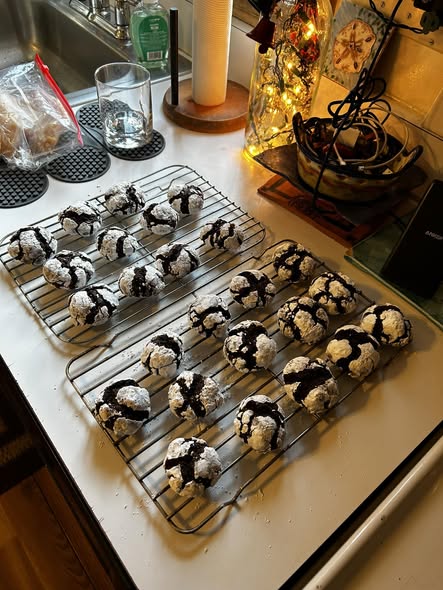
Chocolate crinkle cookies get their snowy tops from a generous roll in confectioners’ sugar. As the dough expands in the oven, the coating breaks into white patches with dark chocolate showing through. They look festive on a Christmas cookie tray, and the contrast comes from the way they bake.
The original baker shared these ingredients and photographs from a family bake-off. The mixing method, chill time, oven temperature, and baking time below are suggested starting points. Bake a few cookies first to check the texture and timing in your oven before committing a full tray.
Ingredients
- 1¾ cups (210 g) all-purpose flour
- ¾ cup unsweetened cocoa powder
- 1 teaspoon baking powder
- 1 teaspoon kosher salt
- ¾ teaspoon baking soda
- 3 large eggs
- ¾ cup (150 g) granulated sugar
- ½ cup (110 g) packed brown sugar
- ½ cup (1 stick) unsalted butter, melted
- Confectioners’ sugar, for rolling
The submitted ingredients leave the cocoa type and amount of coating sugar open. Start with about ½ cup confectioners’ sugar in the coating bowl and replenish it as needed. That amount is a suggested starting point. Brown sugar gives the dough a mild molasses flavor, while cocoa supplies the deep chocolate color that makes the coating stand out.
How to Make Chocolate Crinkle Cookies
1. Whisk the dry ingredients
Whisk the flour, cocoa, baking powder, kosher salt, and baking soda together. Use the whisk to break up any clumps of cocoa. Distributing the dry ingredients before they go into the dough helps you avoid streaks and pockets of leavening.
2. Mix the eggs, sugars, and butter
In a large bowl, whisk the eggs with the granulated and brown sugars. Let the melted butter cool slightly, then whisk it into the egg mixture. Scrape the bottom of the bowl to work in any brown sugar that has settled there.
3. Mix and chill the dough
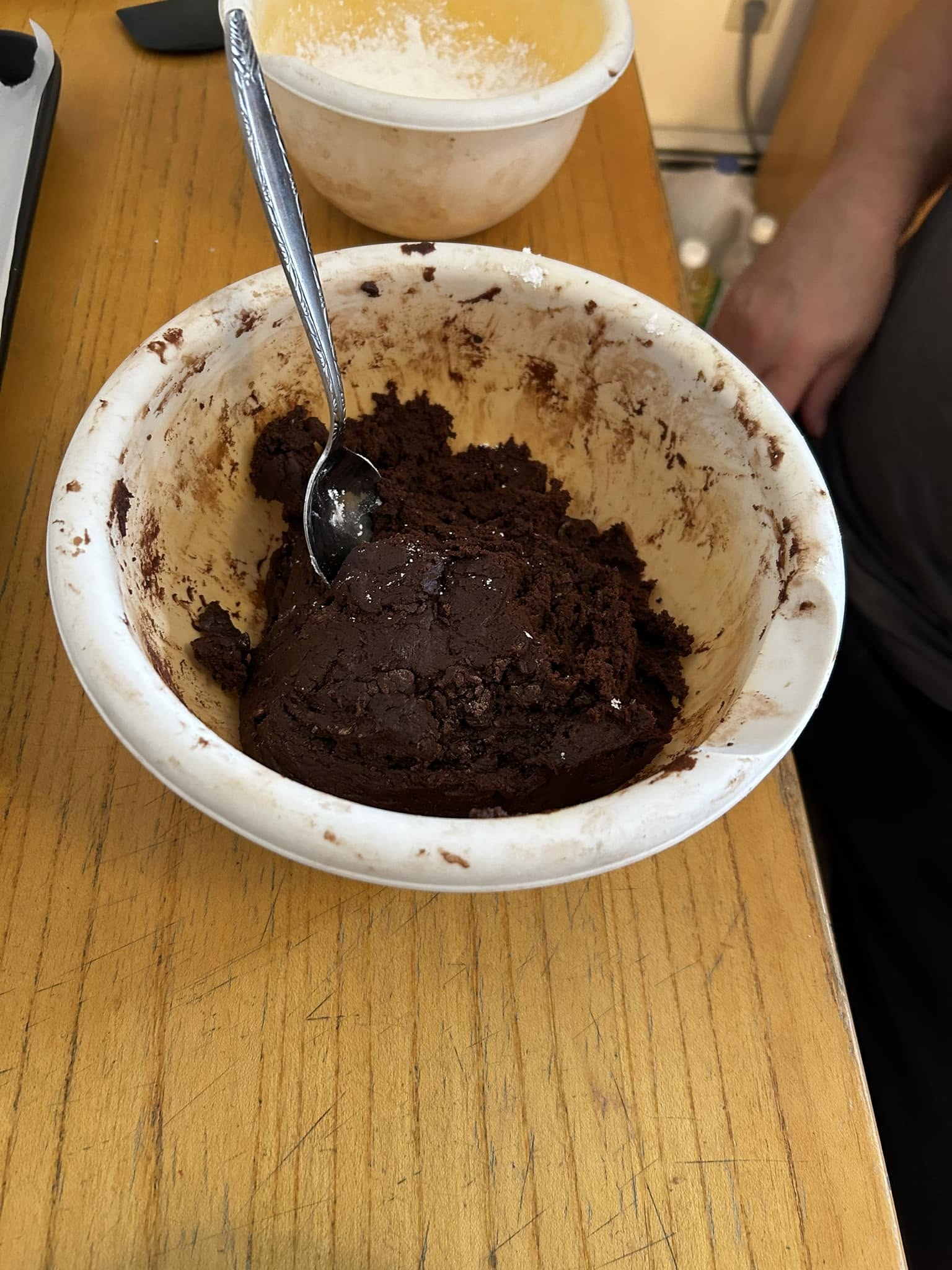
Fold the dry ingredients into the wet mixture just until the flour and cocoa disappear. The dough will be thick. Cover and refrigerate until it holds its shape when scooped, using 1–2 hours as a starting point. If the dough still sticks heavily to your hands, give it more time to chill.
4. Get the coating ready
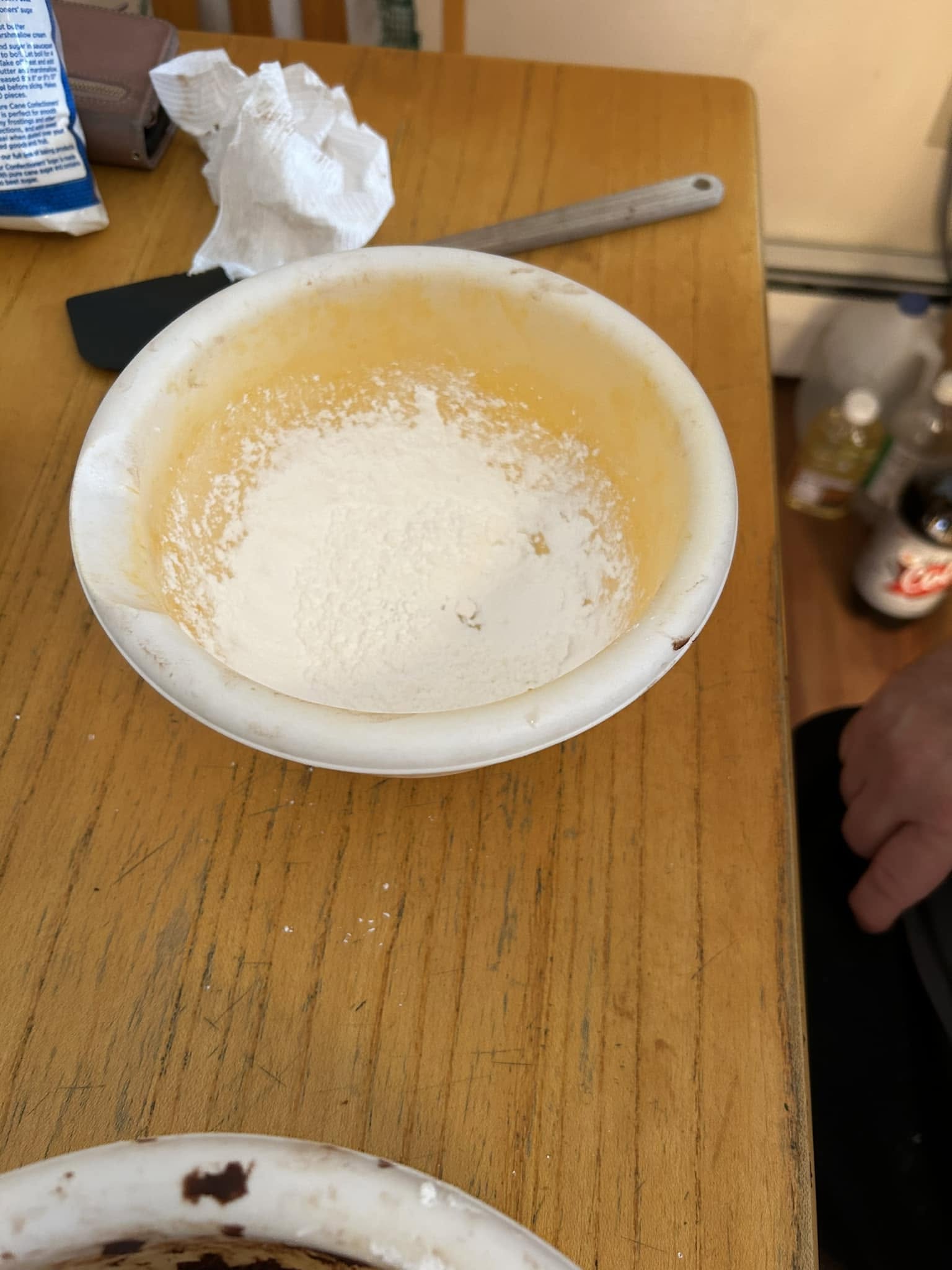
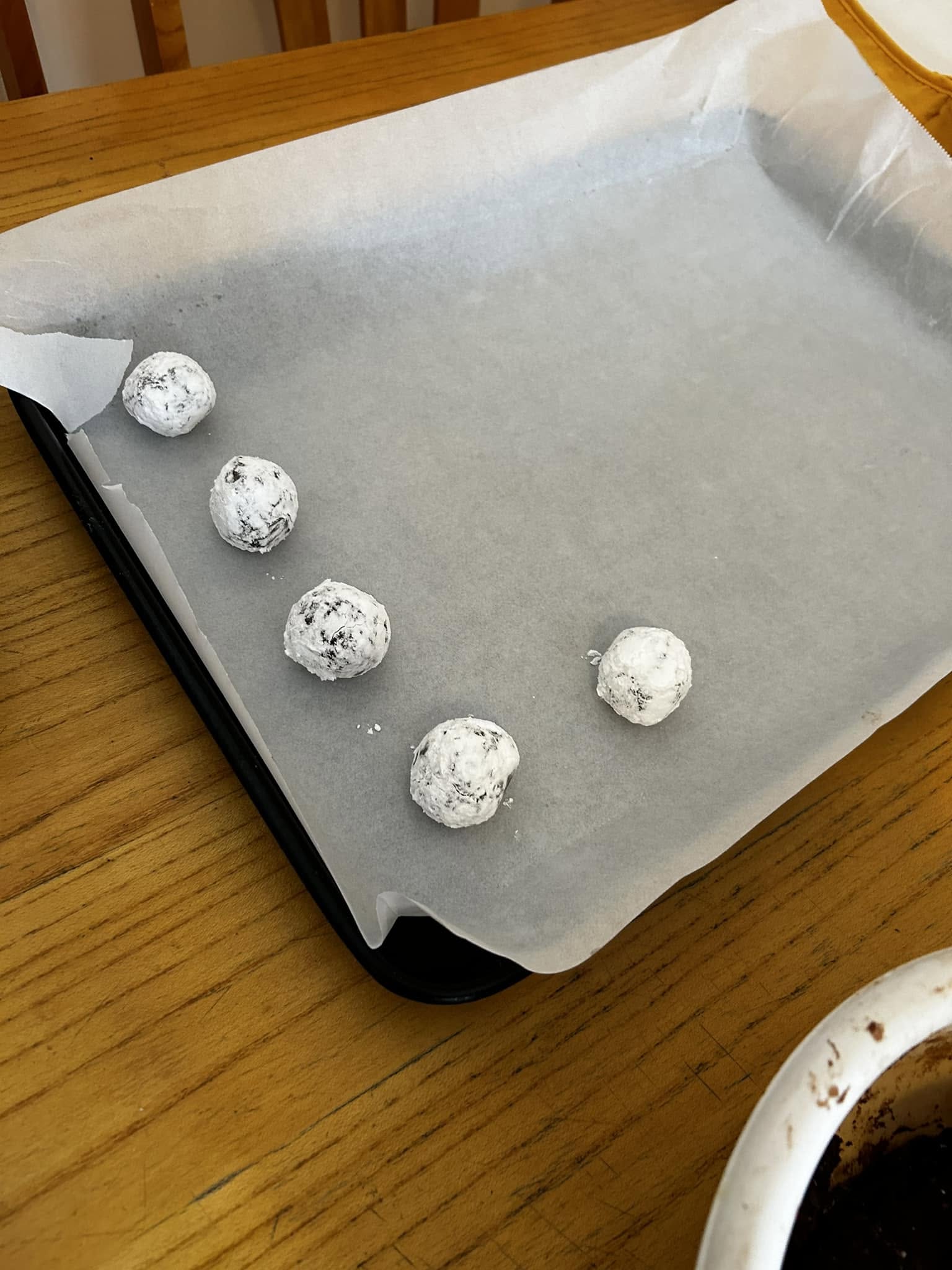
Pour confectioners’ sugar into a shallow bowl. Set it near the baking sheet so you can roll and coat each portion in one pass. A thick layer of sugar gives the baked cookies a stronger contrast, especially as the tops spread and crack.
5. Scoop and roll
Heat the oven to the suggested temperature of 350°F (175°C) and line a baking sheet with parchment. Scoop about 1½ tablespoons of chilled dough per cookie and roll each portion into a ball. Coat each ball generously in confectioners’ sugar and space the cookies about 2 inches apart on the sheet.
6. Bake a test tray and cool
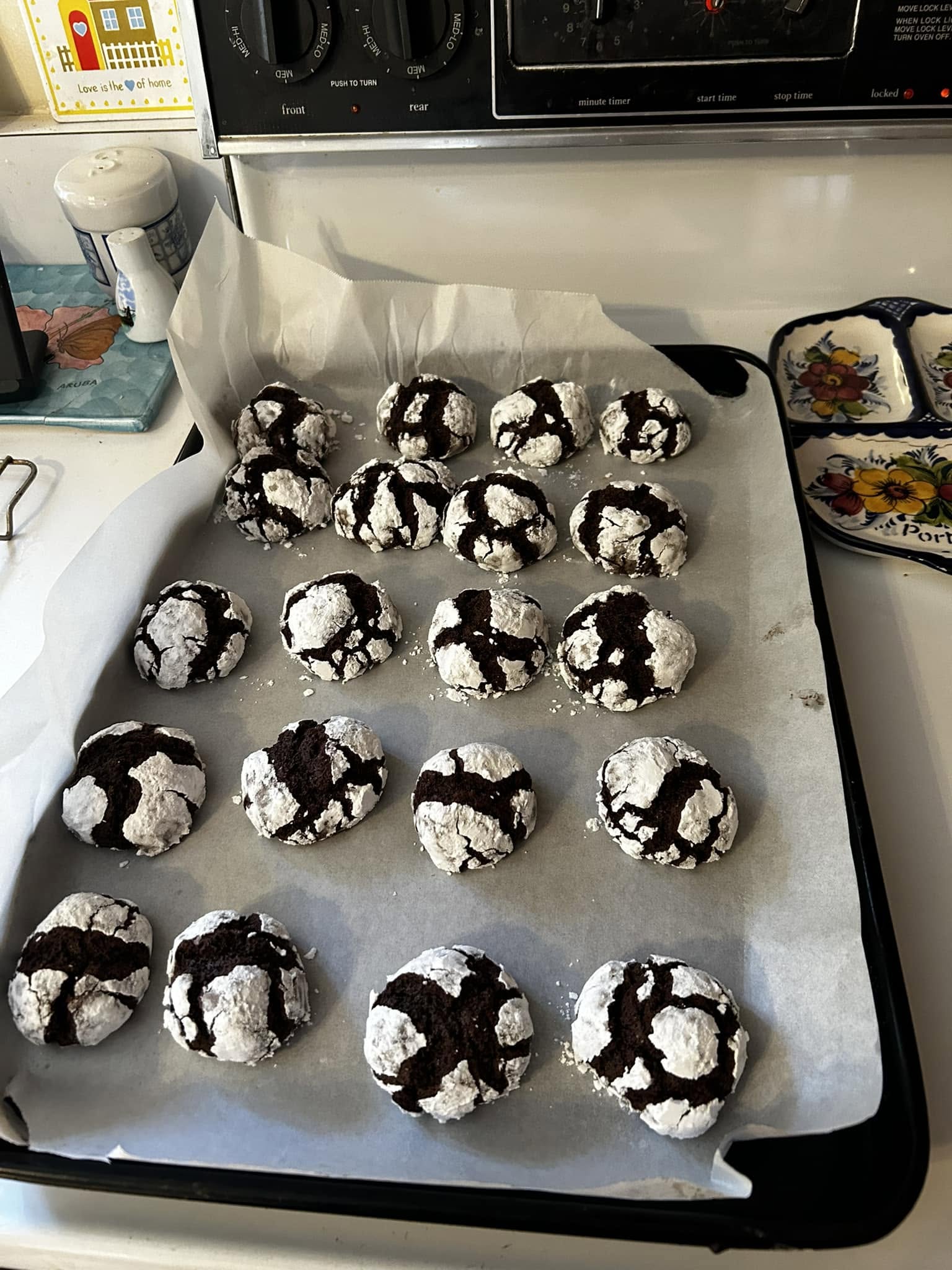
Start with a few cookies and bake for about 10–12 minutes, checking at the early end. Look for puffed tops with visible cracks, set edges, and centers that no longer look wet. Rest the cookies on the baking sheet for several minutes before moving them to a wire rack. Adjust the timing for the remaining batches based on the first tray.
Tips for Better Crinkles
Keep the remaining dough in the refrigerator between batches if your kitchen is warm. Consistent scoop sizes help all the cookies on a tray finish together. Roll the dough balls in sugar right before baking so the coating stays thick and dry. If the powder starts disappearing as the balls wait on the tray, roll them again before baking.
Look for set edges and cracks when checking doneness. Dark cocoa makes browning hard to see. The centers will firm up a little while the cookies rest on the baking sheet, so use the test batch to find the bake time that gives you the texture you want.
Make-Ahead and Storage
Keep fully cooled cookies in an airtight container at room temperature for about three to four days. Separate layers with parchment to protect the sugar coating. For longer storage, freeze cooled cookies in a freezer-safe container for up to two months and thaw them covered at room temperature.
You can also refrigerate the covered dough for up to 24 hours before shaping. To freeze it, portion the uncoated dough first. Thaw the portions in the refrigerator until rollable, then coat with confectioners’ sugar and bake. Check the first tray for timing.
Frequently Asked Questions
Why did the powdered sugar disappear?
The dough may have been too warm or the coating too thin. Chill the dough until it rolls easily and coat each ball generously just before baking.
Can I use natural cocoa powder?
The source calls for unsweetened cocoa without specifying a type. Natural cocoa is one option. Use the same kind in your test batch as you plan to use for the rest of the cookies.
How can I keep the centers soft?
Take the cookies out once the edges have set and the centers no longer look wet. Give them a few minutes on the baking sheet to firm up before transferring them.