Homemade Soft Caramels
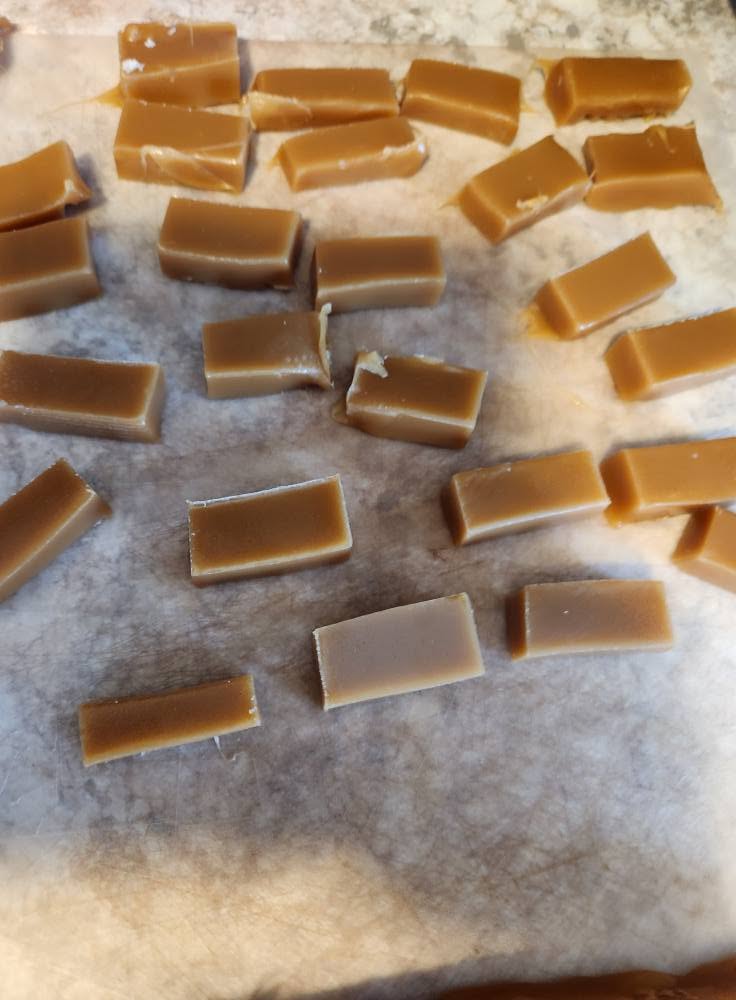
Homemade soft caramels are buttery, chewy squares with the old-fashioned flavor of brown sugar and vanilla. This post includes the two supplied process photos and a featured image, along with a practical small-batch formula for home cooks. One important note: the original material did not include a complete ingredient list or tested method, so the measurements below are an editorially reconstructed starting formula. It is not presented as the baker’s exact original recipe.
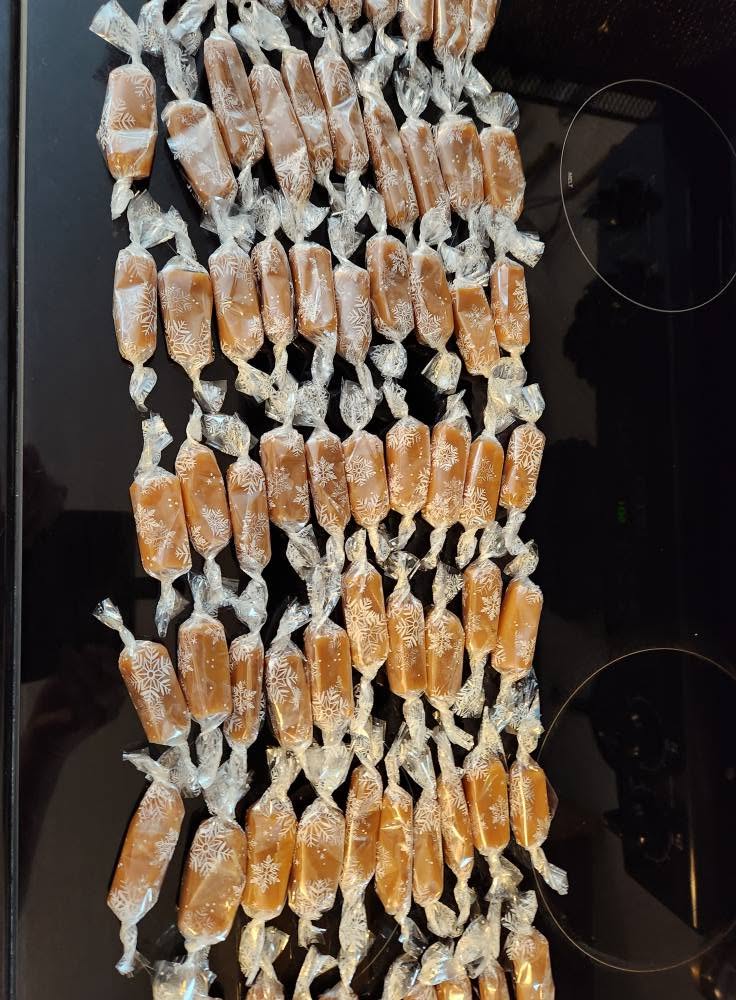
Caramel is a candy that rewards preparation. Measure everything before turning on the stove, line the pan, and keep a reliable candy thermometer nearby. The mixture becomes very hot, so use a heavy saucepan and avoid tasting it while it cooks. At 245°F, the candy reaches the firm-ball range and cools into a soft, chewy texture. For slightly firmer caramels, cook a few degrees higher, but change the temperature gradually on your next batch.
Ingredients
- 1 cup unsalted butter, cut into pieces
- 2 cups packed light brown sugar
- 1 cup light corn syrup
- 1 can (14 ounces) sweetened condensed milk
- 1 teaspoon vanilla extract
- 1/4 teaspoon fine salt
This is a suggested base formula because the supplied source did not give amounts. A candy thermometer and small test batch will help you confirm the texture in your kitchen. Use sweetened condensed milk, not evaporated milk, and choose a heavy-bottomed pan large enough for the mixture to bubble without boiling over.
How to make soft caramels
- Prepare the pan. Line a 9-by-13-inch pan with parchment, leaving enough overhang to lift the candy out later. Lightly butter the parchment or use a very light coating of neutral oil.
- Measure everything. Cut the butter and measure the brown sugar, corn syrup, condensed milk, vanilla, and salt. Set out a heatproof spatula and candy thermometer.
- Combine the base. Add the butter, brown sugar, corn syrup, condensed milk, and salt to a heavy saucepan. Stir over medium-low heat until the butter melts and the sugar dissolves.
- Cook to temperature. Increase the heat to medium and cook, stirring steadily, until the mixture reaches 245°F on a candy thermometer. Keep the thermometer tip in the candy without touching the pan bottom. This can take 15 to 25 minutes depending on the pan and stove. The mixture is extremely hot; keep hands and children away from the pot.
- Add the vanilla. Remove the saucepan from the heat. Carefully stir in the vanilla. The mixture may bubble briefly.
- Pour and cool. Pour the caramel into the prepared pan. Do not scrape any scorched bits from the bottom of the pot. Leave the pan undisturbed until the candy is completely cool and firm, several hours or overnight.
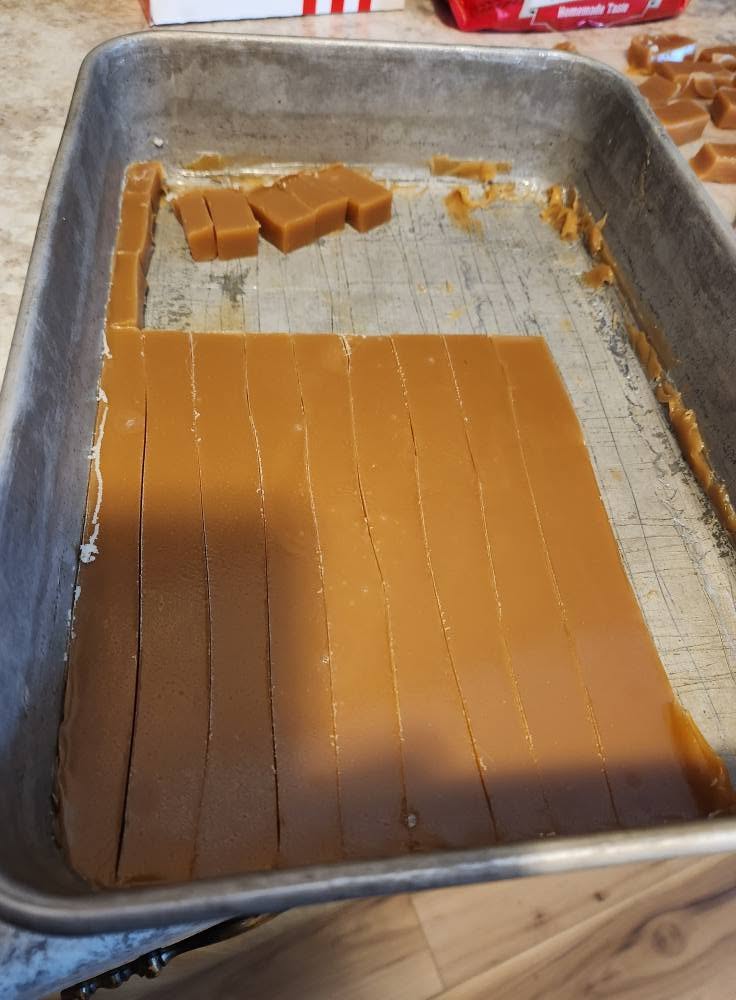
- Cut and wrap. Lift the slab out using the parchment. Butter a knife lightly and cut into small squares. Wrap pieces individually in wax paper if you want to keep them from sticking together.
Temperature tips for a chewy finish
The final temperature controls the texture more than almost anything else. At about 245°F, the cooled candy is chewy but still yielding. A lower temperature can leave it too soft to hold its shape; a higher temperature makes firmer candy. Thermometers can vary, so if you make candy often, check yours in boiling water and account for your elevation. Avoid scraping the pan while pouring, since concentrated sugar on the bottom can become grainy or scorched.
Stir continuously enough to prevent hot spots, especially along the bottom and corners. If you see dark flecks or smell burning, remove the pan from the heat. Do not touch or taste hot caramel; it can cause severe burns.
Storage and gifting
Store wrapped caramels in an airtight container at cool room temperature for up to two weeks. In warm or humid conditions, keep them in the refrigerator and allow them to soften slightly before serving. Layer pieces with parchment if they are not individually wrapped. For a gift, place the candies in a tin with a note about the dairy ingredients.
Frequently asked questions
Why did my caramels turn out too soft?
The mixture may not have reached the target temperature, or the thermometer may read low. Chill the slab briefly to make cutting easier, and use a verified thermometer for the next batch.
Can I use salted butter?
Yes, but omit the added salt and expect a slightly different flavor. Unsalted butter makes it easier to control seasoning.
Can I double the recipe?
Making candy in a larger quantity can change cooking time and make stirring harder. For the most predictable result, prepare one batch at a time until you know how your pan behaves.
Can I add nuts?
Chopped toasted pecans or walnuts can be stirred in after cooking, just before pouring, if you want a nutty variation. They are not part of the supplied source photos or the base formula above.
Because the original recipe materials left out the amounts and cooking instructions, treat this version as a carefully labeled starting point and make a test batch before preparing caramels for a special event. Once you have confirmed the temperature and texture, this buttery candy makes an easy homemade gift.
Ingredients
Method
- Line a 9-by-13-inch pan with parchment, leaving overhang. Lightly butter the parchment.
- Combine butter, brown sugar, corn syrup, sweetened condensed milk, and salt in a heavy saucepan. Stir over medium-low heat until butter melts and sugar dissolves.
- Cook over medium heat, stirring steadily, until a candy thermometer reads 245°F. Keep the thermometer tip from touching the pan bottom.
- Remove from heat and carefully stir in vanilla. Pour into the prepared pan without scraping the pan bottom.
- Cool completely until firm, several hours or overnight. Lift out by the parchment and cut into small squares with a lightly buttered knife.
- This is a suggested reconstructed formula; the supplied source did not include verified amounts or a tested method. Make a test batch before serving.