Jane Newton’s School Girl Jumbles Sugar Cookies
Jane Newton’s School Girl Jumbles sugar cookies are an old-fashioned, soft, cake-like cookie with a story that traveled through several generations of the Brewster family. The family account connects Jane Newton Brewster, born in Ohio in 1840, with a household in Independence, Kansas, where these cookies were served when relatives came to visit. Their simple pantry ingredients and lightly sugared tops make them a lovely addition to a Christmas cookie plate.
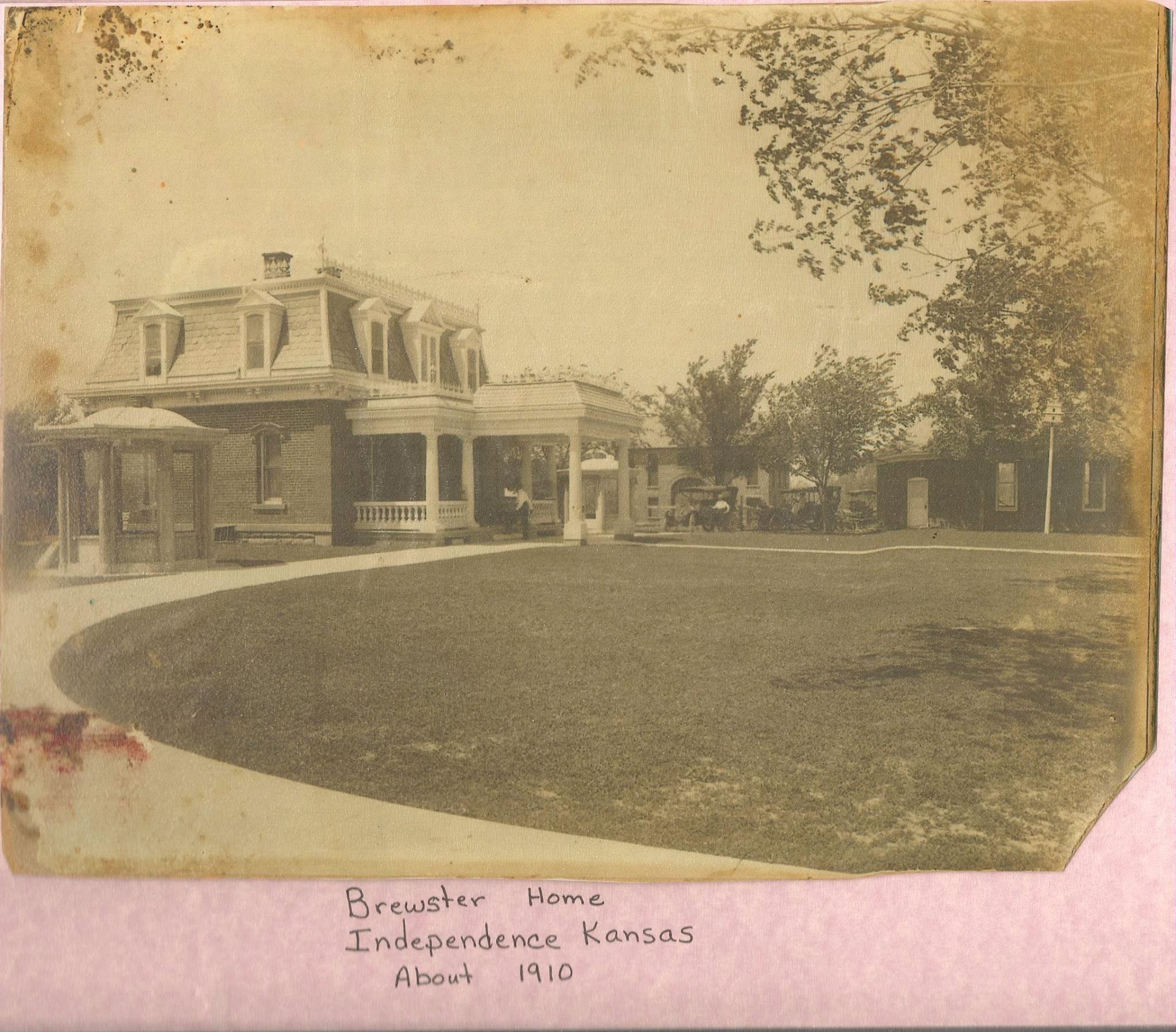
The exact age of the recipe is not known, so it is best to think of it as a family recipe preserved across generations rather than assign it a date. The story supplied with the recipe traces it through Callie Brewster Wilson, Blendena Wilson Woody, and later relatives. The house photo is labeled about 1910 and gives a glimpse of the family history that accompanies the cookies.
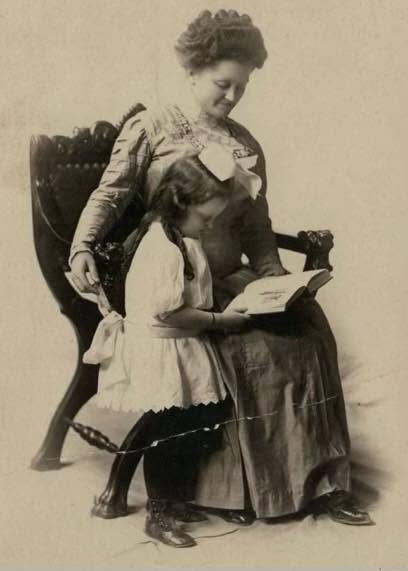
What are School Girl Jumbles?
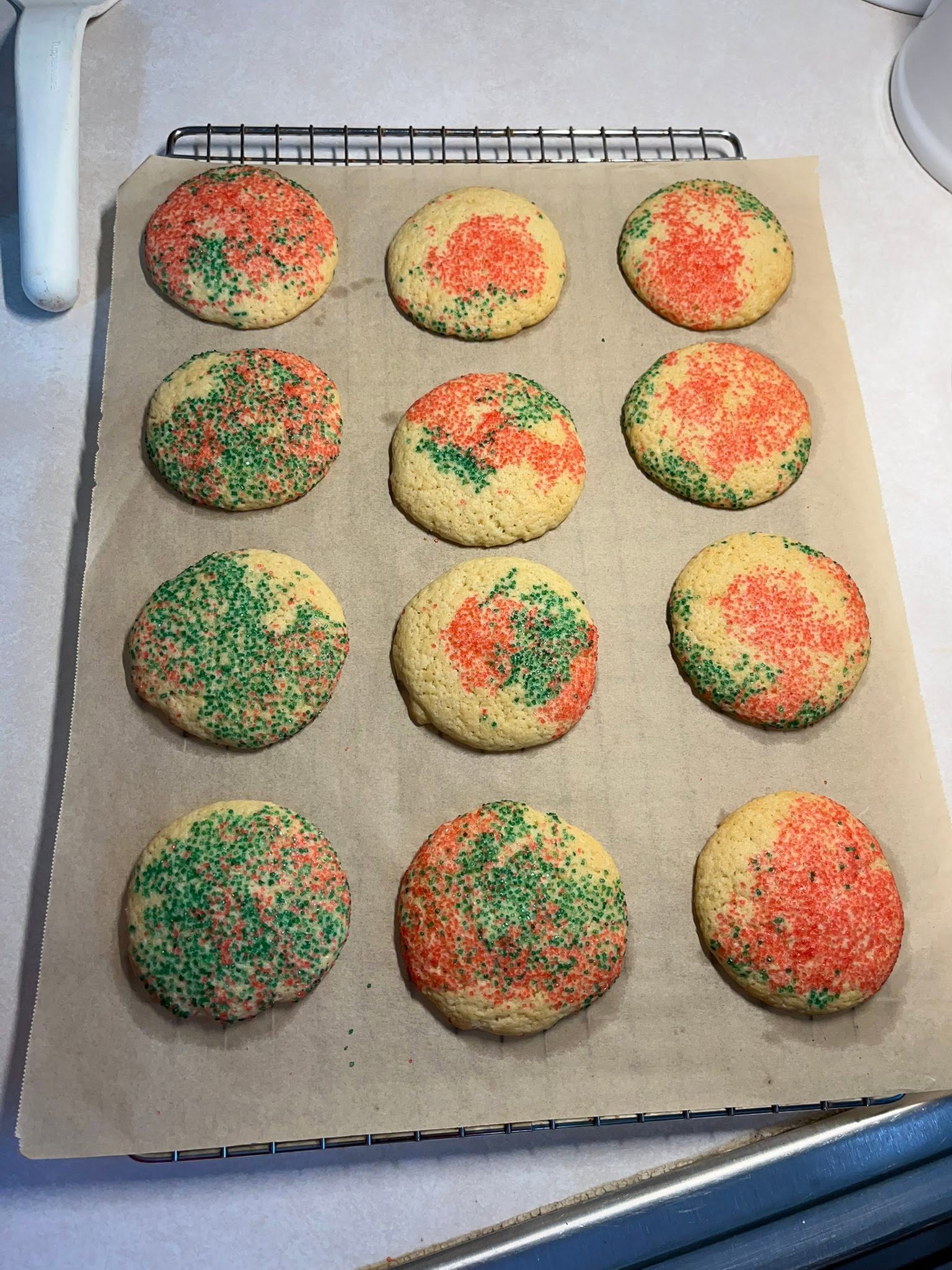
Jumbles is an old name used for a range of simple cookies, and family versions vary. This one uses butter, sugar, eggs, vanilla, flour, baking powder, and a little cold water. Chilling the dough overnight makes it easier to roll and cut, while the baking powder gives the cookies a tender, lightly puffed texture. A dusting of sugar is all they need, though red and green sugar gives them a festive look.
Ingredients
- 1 cup softened butter
- 2 cups granulated sugar, plus extra for sprinkling
- 4 cups all-purpose flour
- 3 teaspoons baking powder
- 4 eggs, well beaten (small eggs are closest to the family note)
- 1 teaspoon vanilla extract
- 3 tablespoons cold water, using less if the dough feels too soft
- Red or green decorating sugar, optional
The family notes explain that eggs were smaller when the recipe was handed down. If you have large eggs, begin with less water and add only enough to bring the dough together. Spoon flour into the measuring cup and level it instead of packing it in. The recipe predates electric mixers, so mix gently once the flour is added.
How to make School Girl Jumbles
- Cream the butter and sugar. Beat the softened butter and granulated sugar until smooth and creamy. Add the vanilla, well-beaten eggs, and cold water. If you are using large eggs, hold back some of the water for now.
- Mix the dry ingredients. Whisk the flour and baking powder together. Add them to the butter mixture and mix only until no dry streaks remain. Avoid overworking the dough, which can make rolled cookies tough.
- Chill overnight. Cover the bowl and refrigerate the dough overnight. The rest firms the butter and gives the flour time to hydrate. If the dough remains sticky, work with a small portion at a time and keep the rest chilled.
- Roll and cut. Heat the oven to 375°F. Lightly flour your work surface and roll the dough to an even thickness, about 1/4 inch as a practical starting point. Cut into shapes and place them on an ungreased cookie sheet. Sprinkle lightly with sugar.
- Bake and cool. Bake for 10 to 12 minutes, until the cookies are set and the bottoms are just beginning to turn golden. Let them rest briefly on the sheet, then transfer to a wire rack to cool.
Tips for tender cookies
If the dough is too soft to roll, the family recipe offers an easy alternative: scoop small portions onto the ungreased sheet, sprinkle with sugar, and flatten each one with a sugared hand. This avoids adding too much flour while trying to roll sticky dough. If it is very warm in your kitchen, chill the dough again between batches. Keep the cookies similar in size so they bake evenly.
These cookies should remain pale on top rather than becoming deeply browned. Start checking at the 10-minute mark because oven temperatures and cookie thickness vary. Let the dough chill fully before cutting shapes, and do not grease the cookie sheet. If you want colored sugar, sprinkle it on before baking so it adheres to the surface.
Make-ahead and storage
The overnight rest makes this a convenient dough to prepare the day before a gathering. After baking, cool the cookies completely before packing them. Store them in an airtight container at room temperature for several days. Separate layers with parchment if you decorate them with colored sugar. For a holiday tin, arrange the cookies snugly so they do not slide around.
Frequently asked questions
Can I use large eggs?
Yes. The family notes mention that older eggs were smaller, so large eggs may add more moisture. Use less than the full 3 tablespoons of water at first, then add a little only if the dough needs it.
Do I have to chill the dough overnight?
The overnight chill is part of the supplied family method and helps make the dough manageable. If you need to, chill until firm enough to handle, but allow the full rest when planning ahead.
What if rolling still feels difficult?
Scoop the dough, sprinkle with sugar, and flatten with a sugared hand as described in the family notes. This is a useful option for a softer dough.
With their straightforward method and family history, Jane Newton’s School Girl Jumbles are more than a sugar cookie. They are a small taste of a tradition shared across generations, ready to become part of another holiday table.
Ingredients
Method
- Cream butter and sugar together until smooth.
- Add vanilla, well-beaten eggs, and cold water. If using large eggs, begin with less water.
- Whisk flour and baking powder together. Add to the butter mixture and mix just until combined.
- Cover and chill dough overnight.
- Preheat oven to 375°F. Roll dough on a lightly floured surface and cut into cookies. Place on an ungreased cookie sheet and sprinkle with sugar.
- Bake 10 to 12 minutes, until set. Cool briefly on the sheet, then transfer to a wire rack.