Traditional German Wafer-Based Chocolate Lebkuchen
Wafer-based chocolate Lebkuchen combine hazelnuts, walnuts, candied citrus, and warm spice in rounded German Christmas cookies with a thin edible wafer base and a dark chocolate finish.
These substantial holiday cookies have a different character from a flour-based gingerbread cutout. Their body comes from chopped and finely ground nuts mixed with eggs, sugar, and candied peel. An overnight rest helps the mixture become easier to portion, while the wafers support each mound during baking. The chocolate coating goes on only after the cookies have cooled completely. This standard working recipe is matched to the supplied images; it is not a verified transcription of the video’s exact ingredient quantities.

Why You’ll Love This Recipe
- Chopped and ground hazelnuts provide contrasting textures.
- Candied citrus and fresh zest give the cookies a fragrant finish.
- Edible wafers make a neat base for each rounded mound.
- The overnight rest divides preparation into manageable stages.
- Dark chocolate complements the sweet, nut-rich cookies.
Recipe Details
Makes: about 20–30 cookies, depending on wafer size and portioning. Oven: 400°F. Bake: about 15 minutes per batch. Chill: about 24 hours. Allow time for mixing, spreading the dough onto wafers, cooling, and setting the chocolate. The listed wafers are about 3½ inches wide, so leave enough baking-sheet space for these large cookies.
Ingredients
- 2¼ cups granulated sugar (450 g)
- 6 eggs
- 1 teaspoon vanilla extract
- 1⅔ cups chopped hazelnuts (240 g)
- About 2½ cups finely ground hazelnuts (240 g)
- ⅓ cup chopped walnuts (50 g)
- ¾ cup finely chopped candied lemon peel (about 100 g)
- ¾ cup finely chopped candied orange peel (about 100 g)
- 1 tablespoon Lebkuchen spice
- Zest of 1 lemon and 1 orange
- Round edible baking wafers, about 3½ inches wide
- 7 ounces dark chocolate (200 g), for coating
Use edible baking wafers intended as cookie bases, often labeled baking wafers or Oblaten. They are different from sweet sandwich wafers. The finely ground hazelnuts should resemble a nut meal rather than hazelnut butter. Both the chopped nuts and nut meal belong in the recipe; one is not a substitute for the other.
Lebkuchen spice is a prepared spice blend, and its flavor varies between brands. Use the measured tablespoon of your chosen blend. Finely chop the candied peels so they distribute through each cookie. Grate only the colored part of the fresh citrus skins, avoiding the bitter white pith.
Numbered Instructions
- Beat the base. Combine the granulated sugar, eggs, and vanilla extract in a large mixing bowl. Beat until smooth and thick, scraping around the sides and bottom so everything is incorporated.
- Add the nuts and citrus. Stir in the chopped hazelnuts, finely ground hazelnuts, chopped walnuts, both candied peels, Lebkuchen spice, and the lemon and orange zests. Mix thoroughly enough to distribute the inclusions without leaving dry pockets of nut meal.
- Rest overnight. Cover the bowl and refrigerate for about 24 hours. Keep the egg-containing mixture refrigerated during this rest. The mixture should become easier to portion; it is still a soft nut mixture rather than a firm dough for rolling and cutting.
- Prepare and portion. Heat the oven to 400°F. Line baking sheets with parchment and arrange the edible wafers with space between them. Spoon the chilled mixture onto each wafer and spread into a rounded mound, leaving a narrow rim of wafer visible. Make the mounds similar in height so they bake evenly.
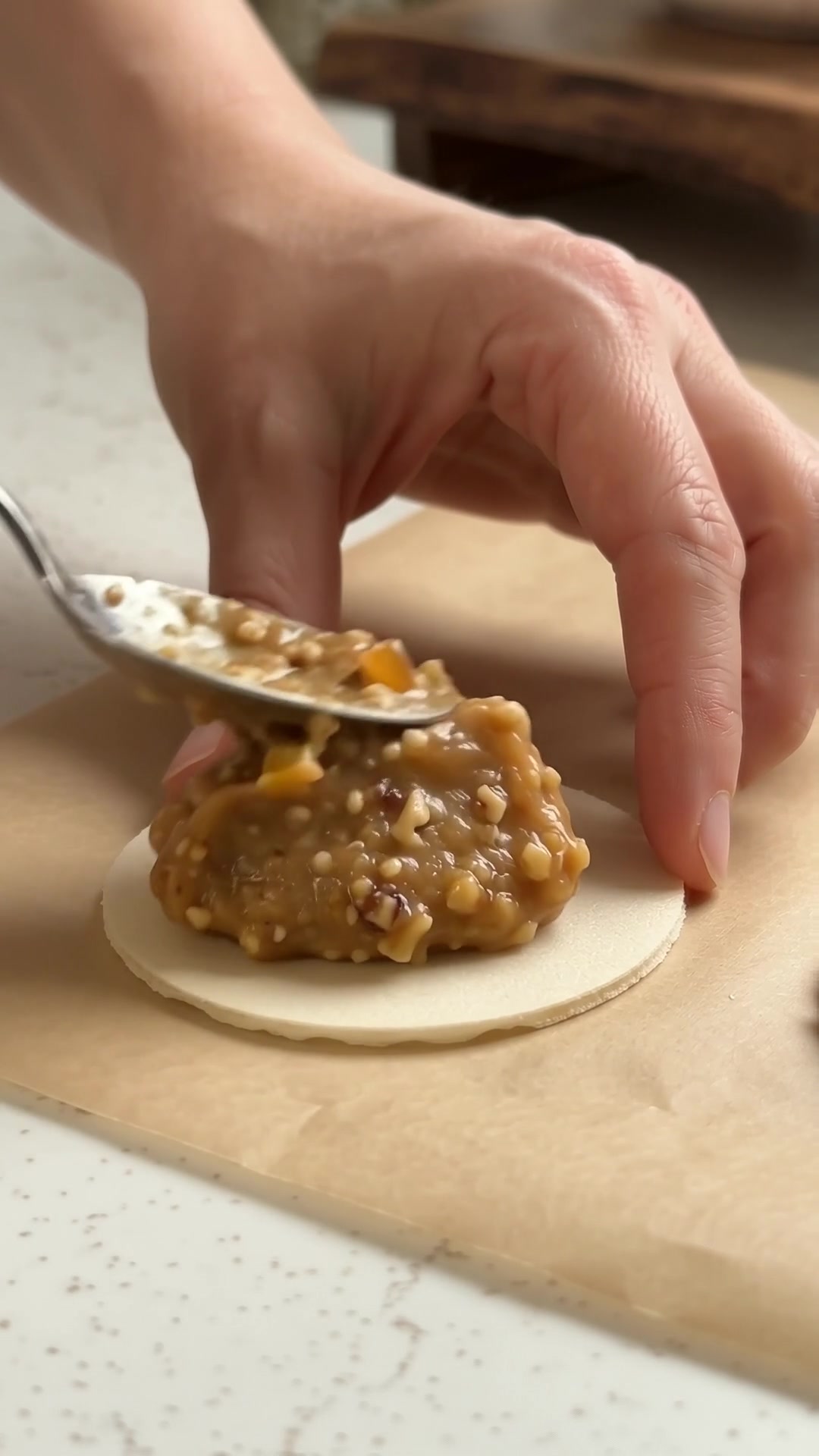
- Bake until set. Bake for about 15 minutes. Begin checking near the end of the range: the tops should look set rather than wet, and the mounds should hold their shape. The exact timing depends on thickness and portion size. Avoid leaving the edges to become excessively dark while waiting for a moist center to feel hard.
- Cool completely. Let the cookies settle on the baking sheet, then move carefully to a wire rack. Support the wafer bottoms with a spatula. Allow the cookies to cool throughout before coating.
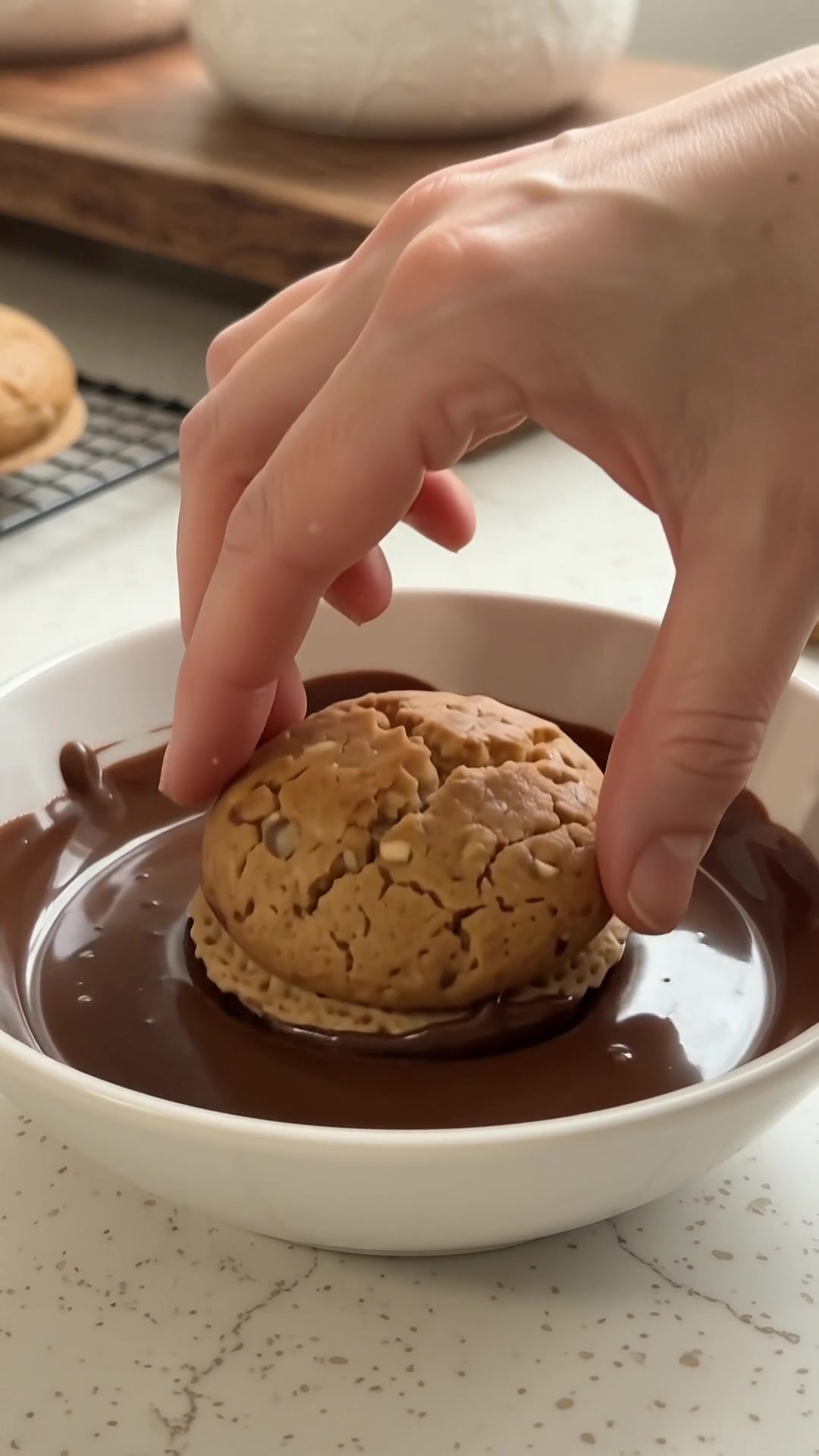
- Finish with chocolate. Gently melt the dark chocolate using short heating intervals or a heatproof bowl above barely simmering water. Keep water out of the chocolate. Dip the tops of the cooled cookies or spread chocolate across them with a spoon. Let excess drip away, then return to the rack until the coating sets.
Helpful Tips
The overnight rest is part of this formula, so plan for it before beginning. Keep the bowl covered to prevent the surface from drying out. Do not add flour to make the mixture behave like a conventional cookie dough; that would change the nut-based recipe.
Spread the mixture gently instead of pressing hard against the wafers. A thin wafer can break if held unsupported or overloaded in one spot. Work on the lined baking sheet, using a spoon to guide the mound toward the edge. Consistent thickness gives a more reliable first tray than chasing an exact cookie count.
If the melted chocolate thickens, warm it gently again. Move coated cookies only after the finish is firm.
Variations
For a full chocolate cap, dip the rounded tops. For a more controlled finish, spread the melted chocolate over each mound with a spoon. Both approaches use the same 7 ounces of dark chocolate; distribute it across the batch rather than increasing the quantity.
Storage Advice
Once completely cool and the chocolate has set, pack the cookies in an airtight container with parchment between layers. Keep in a cool, dry place and enjoy within about 4 days. Protect the wafer bases from moisture, and avoid placing the container near a warm oven or sunny window.
For longer storage, freeze cooled cookies in a well-sealed container for up to 2 months. Separate layers to protect the coating and fragile wafers. Thaw while covered at room temperature, then unwrap once thawed. If preparing ahead, freezing them uncoated and adding chocolate after thawing can help keep the final finish tidy.